
Dear Junah · Scenario
Our rent went up again. At 42, is it too late to buy a home?
Voices in the video are AI-generated.
Read what the video says
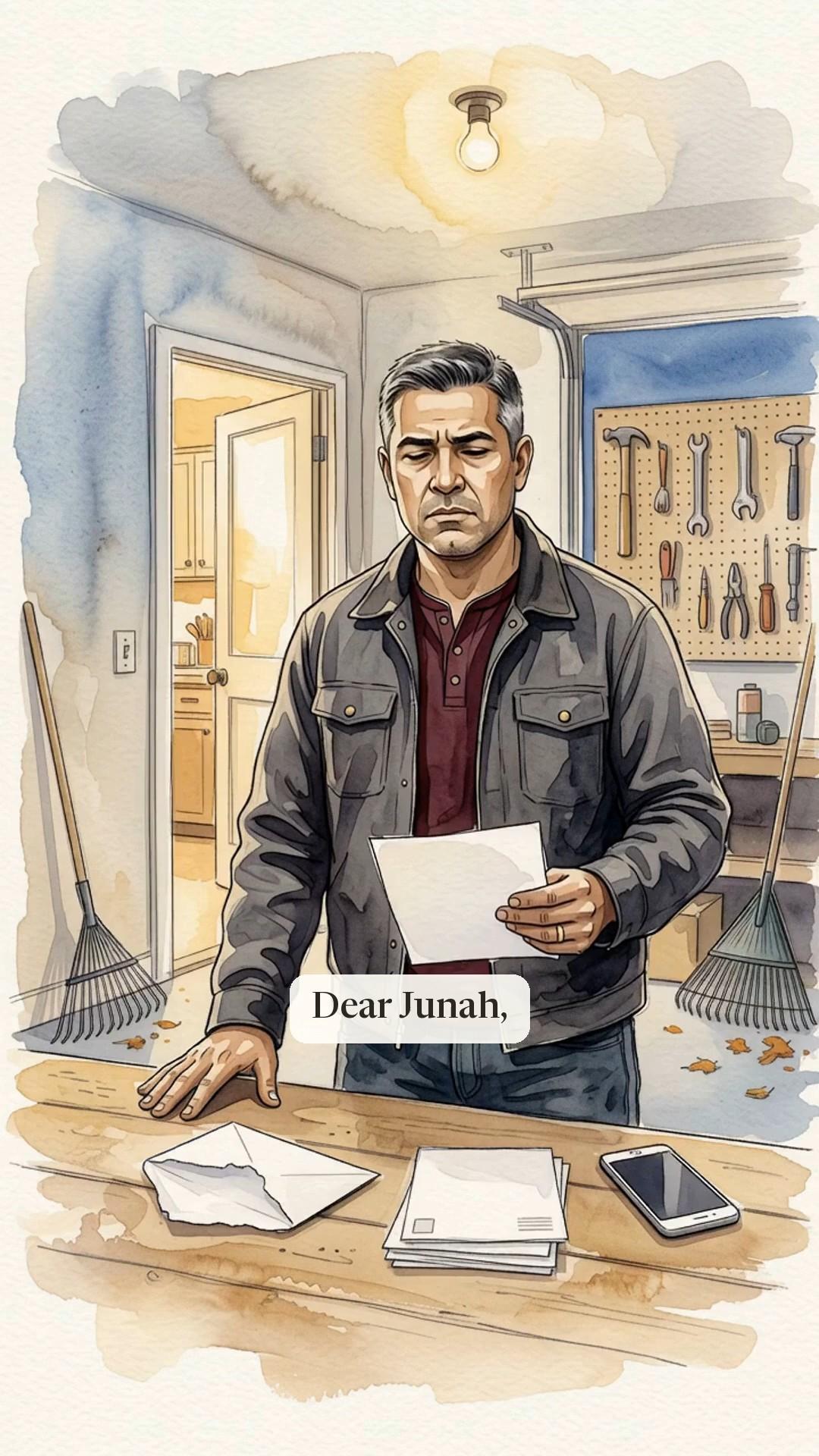
Dear Junah,
Our rent just went up $250 again. We're 42 with $25,000 saved, and a 30-year mortgage would end when we're 72. Have we missed the boat, or do we stretch and buy?
Still renting in Salt Lake City
My dear, many first-time buyers are around forty, so you are not late. Buy what fits your budget and keep a cushion after closing. A thirty-year loan can be paid off sooner.
Warm wishes, Junah
The short answer
No. The median age of first-time buyers in the United States reached 40 in 2025, so you are right on time. The safest purchase is one whose full monthly cost fits your budget, with the down payment and closing costs covered and a cushion left over afterward. A 30-year mortgage does not have to last 30 years: extra payments toward the principal can end it many years sooner.

By Junah Mpofu
More than 33 years in banking, including mortgage and credit lending, and a real estate portfolio of her own
Last reviewed
The question
Dear Junah,
Our rent just went up $250 again. We're 42 with $25,000 saved, and a 30-year mortgage would end when we're 72. Have we missed the boat, or do we stretch and buy?
Still renting in Salt Lake City
An illustrative letter.
The answer
My dear, you have not missed the boat. I spent my career in mortgage and credit lending, rising to vice president, and I can tell you that the age on a loan application matters far less than the numbers beside it. The National Association of Realtors reported that in 2025 the median first-time buyer was 40 years old, the oldest on record. Half of all first-time buyers were older than that. You are not late. You are typical.
Should we stretch to buy now?
Stretching is where people get hurt. A home you can barely afford leaves no room for a broken furnace, a reduced paycheck or a medical bill, and every surprise becomes a crisis. A home that fits your budget with room to spare lets you enjoy owning it. The goal is not to buy the most house a lender will approve. It is to buy a home whose full monthly cost you could keep paying in a hard year.
What does buying cost upfront?
More than the down payment. You will need:
- A down payment. FHA loans allow as little as 3.5 percent down with a credit score of 580 or higher, and some conventional loans allow 3 percent for qualifying buyers. With less than 20 percent down, you will usually pay mortgage insurance each month. In 2025, first-time buyers put down a median of 10 percent.
- Closing costs. The Consumer Financial Protection Bureau says these typically run 2 to 5 percent of the purchase price, for things like the appraisal, title insurance and lender fees.
- A cushion after closing. Moving, small repairs and furnishing come quickly. Many lenders also like to see some savings left after closing.
With $25,000, you might put about $15,000 toward the down payment and closing costs and keep $8,000 to $10,000 as your cushion. That points you toward a modest first home, or toward help from a first-time buyer program. Utah Housing Corporation, the state's housing finance agency, offers loans for first-time buyers, some with help toward the down payment, though help with a down payment often comes as a second loan that must be repaid, so read the terms closely. A homebuyer education course can open doors to other programs too.
How much house can we afford?
Start with your budget, not the lender's maximum. Add up the full monthly cost of owning: the mortgage principal and interest, property taxes, homeowners insurance, mortgage insurance, any HOA fees, and a set-aside for upkeep. Many owners save about 1 percent of the home's value each year for repairs. Compare that total with what you pay in rent now and what you could comfortably pay. Many lenders use a guideline that housing should be no more than about 28 percent of your income before tax, and all your debts together no more than about 36 percent, though they will often approve more.
Get preapproved by two or three lenders and compare their Loan Estimates, the standard forms that show the rate, fees and closing costs side by side. A small difference in the rate adds up to a great deal over the years.
Will we be paying a mortgage at 72?
Not necessarily. A 30-year loan sets the longest you will pay, not the shortest. For example, on a $300,000 loan at 6.5 percent, the principal and interest payment is about $1,896 a month. Paying an extra $300 a month toward the principal would clear the loan in about 21 years, around the time you reach your early sixties, and save roughly $135,000 in interest. Check that your loan has no prepayment penalty before you sign, and make extra payments only once your emergency fund is solid.
What about our retirement savings?
Keep them growing. At 42, your retirement accounts have more than twenty years to work, and they matter as much as the house. Try not to stop contributions to save for a down payment, and avoid drawing from a 401(k). If you have an IRA, the tax law lets each first-time buyer take up to $10,000 out without the 10 percent early withdrawal penalty, though income tax may still be due. A CPA can tell you how it applies to you.
Is renting so bad?
Not at all. Renting gives you flexibility and no repair bills. But rising rent buys nothing you keep, while a mortgage payment slowly builds ownership, and a fixed-rate loan holds your principal and interest steady for life. If you can buy something that fits, without stretching, you will be glad in ten years that you did.
What do we do first?
Check your credit reports, get two or three preapprovals, write your full monthly budget for owning, and talk to the state housing agency about first-time buyer programs. The checklist further down puts it in order. You are not too late. You are about to begin.
Getting ready to buy at 42
Check both of your credit reports
Free every week at AnnualCreditReport.com. Fix any errors before you apply.
Get preapproved by two or three lenders
Compare their Loan Estimates for rate, fees and closing costs.
Set your own payment limit
A full monthly cost you could keep paying in a hard year, below the lender's maximum.
Count the full monthly cost of owning
Principal, interest, taxes, insurance, mortgage insurance, HOA fees and upkeep.
Plan for closing costs
Typically 2 to 5 percent of the price, on top of the down payment.
Keep a cushion after closing
Savings left over for moving, repairs and emergencies.
Ask about first-time buyer programs
Utah Housing Corporation offers loans for first-time buyers, some with down payment help.
Take a homebuyer education course
Some programs require one, and it is time well spent.
Keep retirement contributions going
Your retirement accounts need the next twenty years as much as the house does.
Plan to finish the mortgage early
Extra principal payments can end a 30-year loan years sooner. Check there is no prepayment penalty.
Questions people ask
Is 42 too old to buy a first home?
No. The National Association of Realtors reported that the median first-time buyer in 2025 was 40 years old, the oldest on record, so half were older. What matters more than age is whether the full monthly cost fits your budget and whether you can plan to pay the mortgage down before or soon after retirement, through extra payments or a shorter loan.
How much do I need for a down payment on a first home?
Less than many people think. FHA loans allow 3.5 percent down with a credit score of 580 or higher, and some conventional loans allow 3 percent for qualifying buyers. Putting down less than 20 percent usually means paying mortgage insurance. In 2025, first-time buyers put down a median of 10 percent. You will also need money for closing costs and a cushion after closing.
How much are closing costs on a house?
The Consumer Financial Protection Bureau says closing costs typically range from 2 to 5 percent of the purchase price, not counting the down payment. They cover items such as the appraisal, title insurance, lender fees and prepaid taxes and insurance. Your Loan Estimate shows the expected amount, and comparing estimates from several lenders can lower them.
Can I pay off a 30-year mortgage early?
Usually, yes. Extra payments toward the principal shorten the loan and reduce total interest. For example, on a $300,000 loan at 6.5 percent, adding $300 a month to the roughly $1,896 payment would clear it in about 21 years and save around $135,000 in interest. Check that your loan has no prepayment penalty, and keep your emergency fund in place before paying extra.
Can I use my IRA to buy my first home?
The tax law lets each first-time homebuyer take up to $10,000 from an IRA over their lifetime without the 10 percent early withdrawal penalty, though income tax may still apply to traditional IRA money. A married couple can each use the exception. This rule applies to IRAs, not 401(k) plans, which have different rules. A CPA can tell you how it applies to you.
Three things to take away
- The median first-time buyer is 40, so 42 is right on time.
- Buy a home whose full monthly cost fits a hard year, with a cushion left.
- Extra principal payments can end a 30-year mortgage years sooner.
One thing to do this week
Pull your free credit reports and write down the full monthly cost of owning a home you would like, including taxes, insurance and upkeep.
Keep going
Building Property Equity: Why Equity Is Wealth, Not Cash
When the same property that builds wealth can also become a financial trap.
Why Savings Matter
Building the cushion that turns an emergency into an inconvenience instead of a crisis.
Creditworthiness: A Doorway to Financial Opportunity
How lenders assess your ability to repay — and why creditworthiness is a doorway to opportunity, not a measure of your worth.
The next question
An illustrative scenario for education, not personal financial, tax, legal or investment advice. Your situation will differ. About these scenarios