
Dear Junah · Scenario
I found $27,000 of credit card debt my wife never told me about.
Voices in the video are AI-generated.
Read what the video says
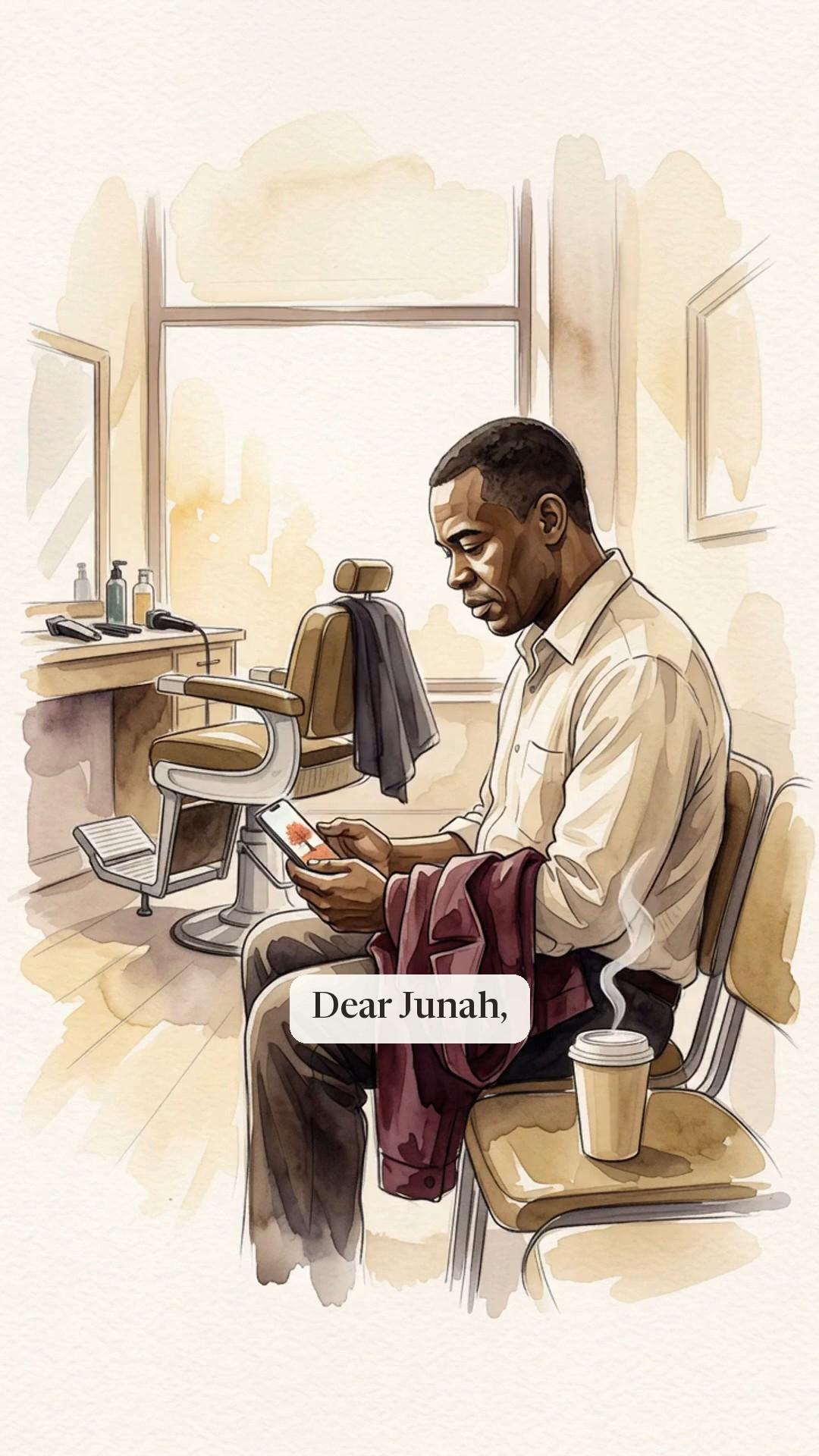
Dear Junah,
A statement in my wife's name shows $27,000 on cards I never knew she had. Fourteen years married. I'm angry and scared. Where do we even begin?
Hurt in Lexington
My dear, the debt is a number, the secret is the wound. Ask why before you ask how. Then review every account together, and rebuild trust one honest month at a time.
Warm wishes, Junah
The short answer
Start with the conversation, not the spreadsheet. Ask what led to the debt and why it was hidden, and listen before deciding anything. Then lay out every account you both have, check both credit reports, and build one plan together, paying the highest-rate card first. Agree on a regular time to review the money side by side, so trust is rebuilt month by month.

By Junah Mpofu
More than 33 years in banking, including mortgage and credit lending, and a real estate portfolio of her own
Last reviewed
The question
Dear Junah,
A statement in my wife's name shows $27,000 on cards I never knew she had. Fourteen years married. I'm angry and scared. Where do we even begin?
Hurt in Lexington
An illustrative letter.
The answer
My dear, I am so sorry. Finding a secret like this after fourteen years can shake the ground under a marriage, and anger and fear are exactly what most people feel. Please give yourself a day or two before the big conversation. You will want to speak from hurt, and that is human, but this talk will go better if you can come to it wanting to understand.
You are far from the only couple in this place. In a Bankrate survey of people in committed relationships, nearly a quarter said they had kept debt secret from their partner, and about one in six had hidden a credit card. Secrets like this are common. They are also survivable.
Why does the why matter so much?
Because $27,000 rarely appears from nowhere, and the reason shapes everything that follows. Some people borrow to cover family emergencies, medical bills or gaps in income they were ashamed to admit. Some spend to cope with stress or sadness. Some lend to relatives. Some simply lost track, then felt too embarrassed to say so until it was too large. Each of these calls for a different kind of repair.
So ask, and then listen without interrupting. You might say, "I am hurt, and I am scared, but I want to understand how this happened, so we can fix it together." If the answer touches something deeper, such as anxiety, depression or a habit she cannot control, solving the money alone will not be enough, and that is worth knowing now.
How do we see the whole picture?
Once you have talked, put everything on the table, both of you. Every bank account, card, loan and balance, with the interest rates. Then check both of your credit reports, which you can get free every week at AnnualCreditReport.com, so nothing is missed in either name.
If the cards are in her name alone, they appear on her credit report, not yours, and she is the one legally responsible to the lender. But you share a household and a future, so in practice you will face this together. If either of you is a joint account holder on any card, that person is responsible for the full balance too.
How do we pay it down?
With a plan you both agree to and both can see. Many couples use the avalanche method: make every minimum payment, then put every extra dollar toward the card with the highest interest rate until it is gone, then the next. It saves the most in interest. The Debt Payoff Planner shows an example with three cards totaling $27,000 and $500 a month extra. In that example, the debt is gone in a little over two years, with roughly $8,000 in interest. Paying only the minimums would take around five years and cost close to $20,000.
Find the extra money together, from a shared budget that shows where your household's money goes. When both of you choose the cuts, both of you own the plan. It can also help for each of you to keep a modest personal spending amount each month, no questions asked, so the budget feels fair rather than like a punishment.
Are there ways to lower the interest?
Possibly. You can call each card company and ask for a lower rate; it does not always work, but it sometimes does. A nonprofit credit counseling agency can review your finances for little or no cost and may set up a debt management plan, which often lowers interest rates in exchange for closing the cards and paying the agency one monthly amount. A balance transfer card with a low introductory rate can help too, but it usually charges a fee and only works if the balance is cleared before the rate ends. Be wary of any company that promises to settle your debt for pennies on the dollar for an upfront fee.
How do we rebuild trust?
Slowly, and in the open. Many couples set a regular money date, perhaps an hour on the first Sunday of each month, to look at the accounts together, track the debt falling and plan the month ahead. No surprises, no blame, just two people looking at the same numbers. Over time, honesty becomes a habit again, and the habit becomes trust.
It can also help to see a marriage counselor, or a therapist who works with couples on money. A secret this size touches more than the budget, and a neutral person can help you both say what needs saying.
Can a marriage recover from this?
Many do, and some come out stronger, because the couple finally learns to talk about money honestly. That depends on both of you: her willingness to be open from now on, and yours to rebuild trust once she is. The debt will be paid in a couple of years. The way you handle it together can shape the next fourteen.
The numbers
The letter’s debts, worked out by the Debt Payoff Planner: Card 1, $12,000 at 24.99% with a $360 minimum; Card 2, $9,000 at 22.99% with a $270 minimum; Card 3, $6,000 at 27.99% with a $180 minimum.
- 2 years 3 months
- Paying $1,310 a month, highest rate first.
- $8,337
- Everything the cards charge before the last one is paid off.
- $11,407
- Against paying the same minimums with nothing extra, and 2 years 7 months sooner.
- $1,310
- Every minimum, plus $500 extra.
| Plan | Debt-free in | Interest |
|---|---|---|
| Minimums only, nothing extra | 4 years 10 months | $19,744 |
| Avalanche: highest rate first | 2 years 3 months | $8,337 |
| Snowball: smallest balance first | 2 years 4 months | $8,462 |
Questions people ask
What should I do if I find out my spouse has hidden debt?
Take a little time to calm down, then talk, aiming first to understand why the debt happened and why it was hidden. Afterwards, list every account you both have, check both credit reports and build a repayment plan together. A regular, shared review of your finances helps rebuild trust, and a counselor can help if the conversation is too hard to have alone.
Am I responsible for my spouse's credit card debt?
Generally, a credit card in one spouse's name alone is that spouse's legal responsibility to the lender, and it appears only on their credit report. If you are a joint account holder, you are responsible for the full balance. In community property states, and in divorce, debts taken on during the marriage may be treated differently. A family law attorney can tell you how your state's rules apply to you.
How common is financial infidelity?
Quite common. In a Bankrate survey of adults in committed relationships, about 40 percent said they had kept some kind of financial secret from a partner, nearly a quarter said they had hidden debt, and about one in six had kept a secret credit card. Knowing it is common does not make it hurt less, but it does show that many couples work through it.
What is the fastest way to pay off several credit cards?
The avalanche method usually saves the most interest: pay the minimum on every card, then put all extra money toward the card with the highest interest rate, and move to the next once it is paid. The snowball method pays the smallest balance first instead, which some people find more motivating. Either works far better than paying only the minimums, which can stretch debt over many years.
Does a debt management plan hurt your credit?
A debt management plan through a nonprofit credit counseling agency usually involves closing the enrolled cards, which can lower your scores for a while by reducing available credit. But making steady, on-time payments and lowering your balances helps your credit over time. Many people find the lower interest rates and single monthly payment worth the short-term effect. Ask the agency to explain the terms before you enroll.
Three things to take away
- Understand why the debt happened before deciding how to fix it.
- Put every account on the table, both of you, and check both credit reports.
- Pay the highest-rate card first, and review the money together monthly.
One thing to do this week
Choose a calm evening to talk, then each pull your free credit reports at AnnualCreditReport.com and list every account side by side.
Keep going

Debt Management Builds Future Freedom
How you manage debt determines whether borrowing supports your future or limits it — and why debt management builds future freedom.

What lenders see, what borrowing really costs, and how to use credit without it using you
Credit is a reputation system built from records — use it well and it opens doors; use it carelessly and small purchases become long debts.

Fixing The Leak: The Path to Creating Wealth
Find where the money already goes before you try to earn more.
An illustrative scenario for education, not personal financial, tax, legal or investment advice. Your situation will differ. About these scenarios