
Why Savings Matter
Building the cushion that turns an emergency into an inconvenience instead of a crisis.

By Junah Mpofu
More than 33 years in banking, including mortgage and credit lending, and a real estate portfolio of her own
· Saving · Starting Out
Read to the end to earn a 20 gold points reward.
What is the Gold Points Reward (GPR)?
GPR is our points reward system. As the Junahyeng Academy platform grows, it lets you earn points and rewards: the more points you earn, the higher the rewards you will unlock in due course.
You earn points for reading and engaging with our guides and articles. Soon you will also earn them for referring friends to the platform, engaging with our socials, and more.
Create a free account to keep the points you earn.
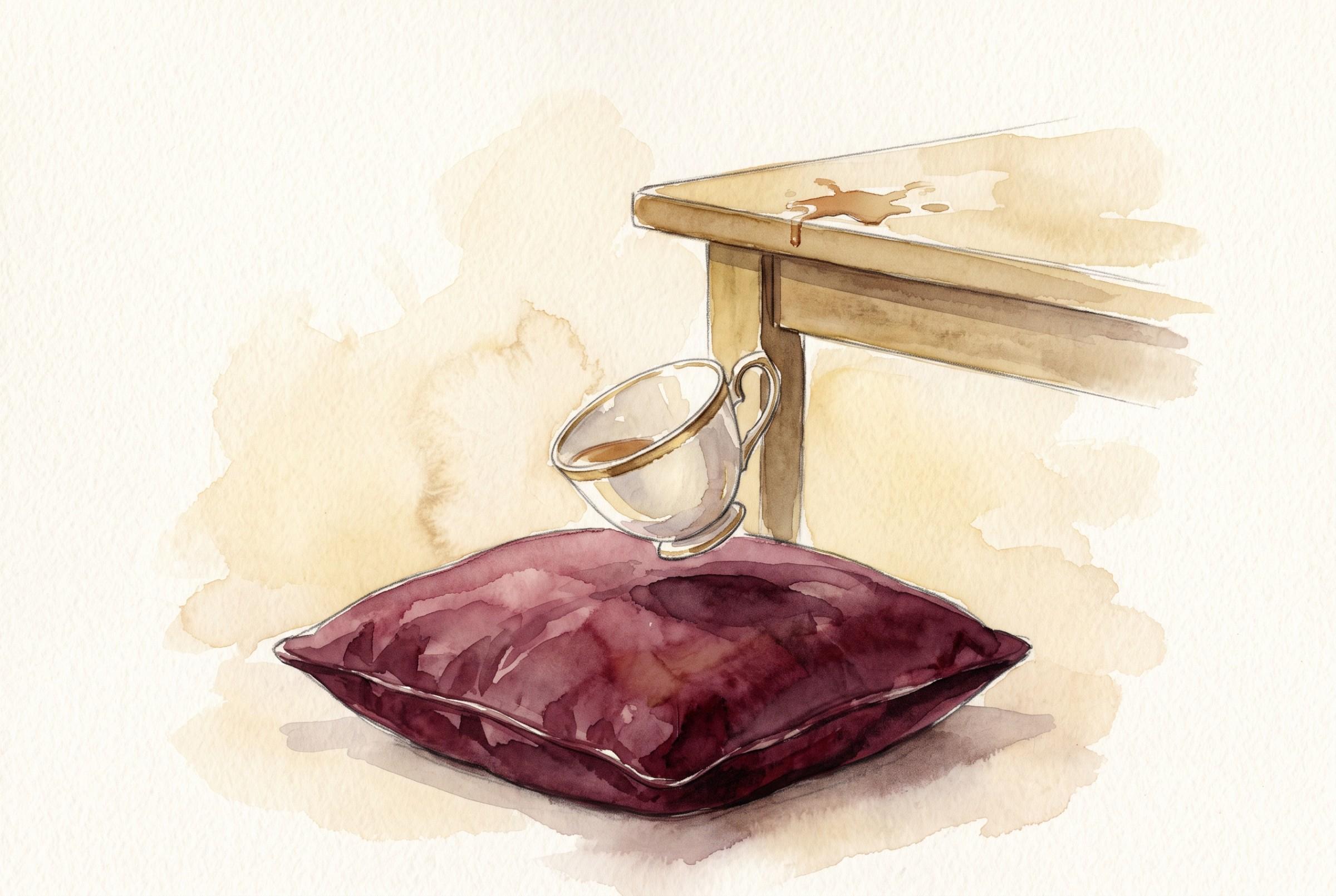
An emergency fund is money set aside specifically for unexpected expenses, such as a car repair, medical bill, home repair, temporary loss of income, or urgent travel. The purpose is simple: when life surprises you, savings gives you options. Instead of relying on high-interest debt, skipping essentials, or falling behind, you can handle the situation and keep moving.
The goal is not to become financially perfect overnight. The goal is to build a cushion one deposit at a time until a stressful event becomes manageable, temporary, and less disruptive.
What Counts as an Emergency?
A true emergency is unexpected, necessary, and time sensitive. It is not a sale, a vacation, a routine holiday expense, or something that can reasonably be planned for in advance.
| Emergency | Not an Emergency |
|---|---|
| Unexpected car repair needed to get to work | Upgrading a working car for style or convenience |
| Medical bill or urgent prescription | Planned routine appointment or optional procedure |
| Temporary income loss | Regular monthly bills you forgot to budget for |
| Urgent home repair that protects safety or shelter | Decorating, upgrades, or non-urgent improvements |
How Much Should You Save?
Start with the amount that would make the next emergency less scary. A strong long-term target is three to six months of essential expenses, but it is perfectly acceptable to begin smaller. Your first milestone might be $100, then $500, then one month of core expenses.
The 1-3-6 Milestone Method
- One month: Save enough to cover essential expenses for one month. This protects against small shocks and creates confidence.
- Three months: Build enough to handle a temporary disruption, larger repair, or medical deductible.
- Six months: Create a deeper cushion for job loss, extended illness, or multiple emergencies close together.
How to Build the Cushion
- Pick a starter goal: Choose a realistic first target, such as $100 or $500, so momentum begins quickly.
- Automate it: Set an automatic transfer to savings right after payday, even if the amount is small.
- Use windfalls carefully: Direct part of tax refunds, bonuses, gifts, or overtime pay into the emergency fund before spending the rest.
- Trim one recurring cost: Cancel, downgrade, or renegotiate one subscription, service, or bill and redirect that amount to savings.
- Save before spending: Treat savings like a bill you owe your future self.
Where to Keep Emergency Savings
Keep emergency savings separate from everyday spending money, but easy enough to access when needed. A savings account at a bank or credit union is often a practical choice because the money remains available while staying out of your daily checking balance. Avoid tying emergency savings up in investments that may lose value or take time to sell.
When to Use It—and How to Rebuild
Before using the fund, ask: Is this unexpected? Is it necessary? Is it urgent? If the answer is yes, use the money without guilt. That is exactly what the fund is for. After the emergency passes, pause extra spending where possible and restart automatic deposits until the cushion is restored.
30-Day Savings Action Plan
| Week | Action | Result |
|---|---|---|
| Week 1 | List essential monthly expenses and choose a starter savings goal. | You know the target. |
| Week 2 | Open or label a separate savings account for emergencies only. | The money has a home. |
| Week 3 | Set up an automatic transfer after payday. | Saving becomes a habit. |
| Week 4 | Review spending and redirect one avoidable expense into savings. | The cushion grows faster. |
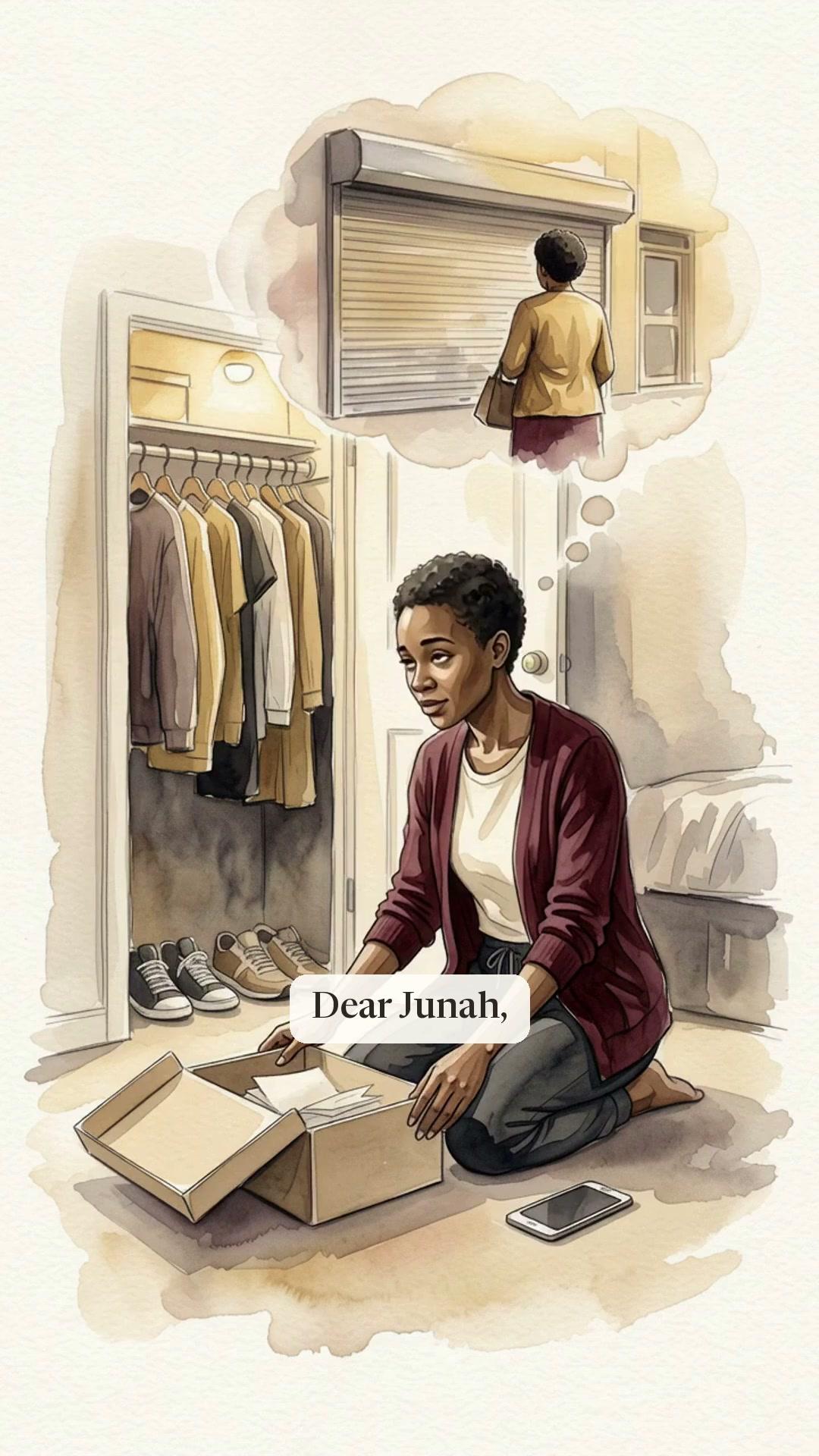
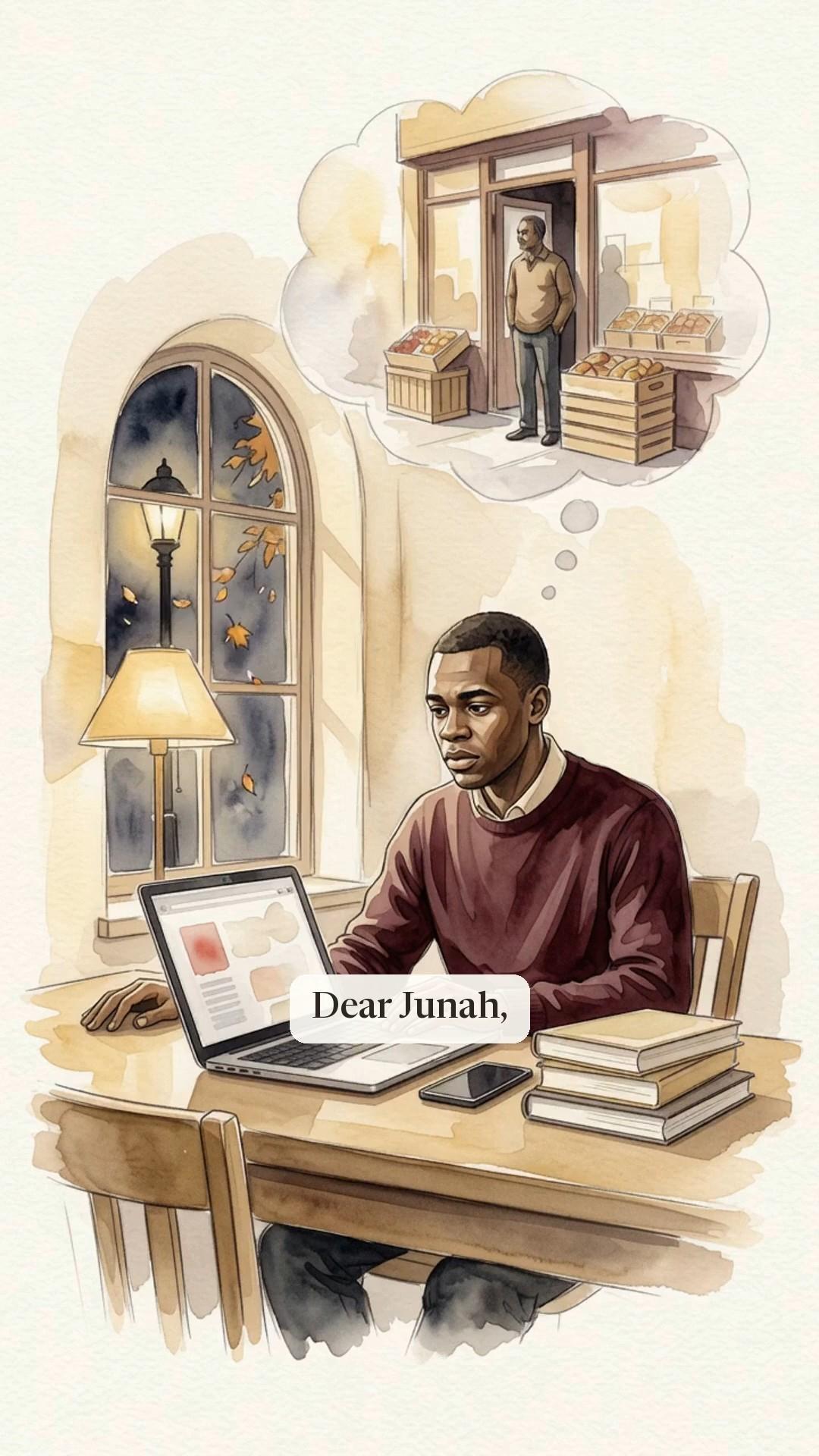
See it in a Dear Junah letter
Try it on your own numbers
See where your money actually goes. Free, no account needed.
Comments0
No comments yet. If something here landed, say so. It helps other readers know what to look at.