
Creditworthiness: A Doorway to Financial Opportunity
How lenders assess your ability to repay — and why creditworthiness is a doorway to opportunity, not a measure of your worth.

By Junah Mpofu
More than 33 years in banking, including mortgage and credit lending, and a real estate portfolio of her own
· Credit & debt · Starting Out
Read to the end to earn a 20 gold points reward.
What is the Gold Points Reward (GPR)?
GPR is our points reward system. As the Junahyeng Academy platform grows, it lets you earn points and rewards: the more points you earn, the higher the rewards you will unlock in due course.
You earn points for reading and engaging with our guides and articles. Soon you will also earn them for referring friends to the platform, engaging with our socials, and more.
Create a free account to keep the points you earn.
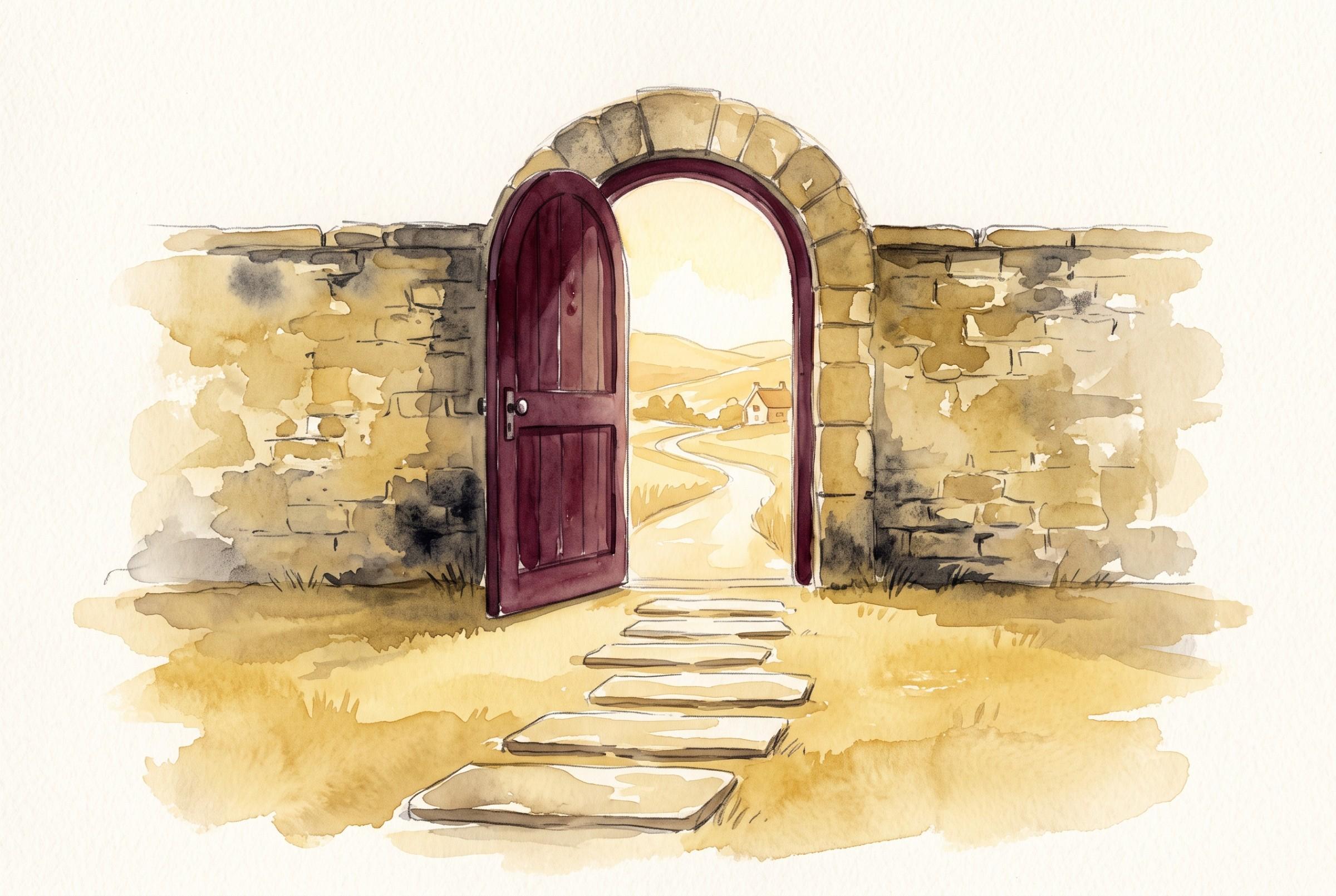
Your credit score is more than just a number. Building a strong credit history can open doors to financial opportunities that may otherwise be difficult to access. Credit scores are one way the financial system evaluates how responsibly a person has managed credit over time. However, it is important to remember that a credit score does not define who you are as a person. Understanding creditworthiness is an important part of building financial confidence, making informed decisions, and creating long-term financial stability.
What Is Creditworthiness?
Creditworthiness is a lender’s assessment of how likely you are to repay money you borrow. When a bank or other lender considers extending credit, it may ask questions such as:
- Have you borrowed money before?
- Have you paid your bills on time?
- How much debt are you currently carrying?
- How much of your available credit are you using?
- How long have you been managing credit?
- Have you experienced serious payment problems in the past?
Your credit history helps answer these questions. A credit score is not simply a number generated without meaning. It reflects patterns in your financial behavior and how you have managed credit obligations over time.
Your Credit Score Does Not Define Your Worth
There is an important distinction to make: your credit score measures credit behavior, not personal value. A low credit score does not mean that you are irresponsible, unsuccessful, or less worthy as a person. Circumstances can affect credit, and mistakes can happen. However, financial behavior can influence the opportunities available to you. For that reason, creditworthiness is best understood as a doorway to financial opportunity rather than a measurement of personal worth.
Why Creditworthiness Matters
A strong credit profile can make it easier to qualify for certain financial products and, depending on the lender and circumstances, may help you obtain more favorable borrowing terms. Credit may be important when you want to:
- Purchase a home
- Finance a vehicle
- Obtain a business loan
- Rent certain properties
- Access a credit card
- Finance important purchases
- Build a financial track record
Credit can therefore become an important tool in your overall financial strategy. However, access to credit is not the same as the ability to afford debt. That distinction is critical.
Building Credit Takes Time
Good credit is generally not built overnight. It is built through repeated financial habits. Paying accounts on time, keeping borrowing under control, monitoring your credit reports, and making thoughtful borrowing decisions can gradually strengthen your credit profile. Think of your credit history as a financial reputation. Every responsible action can contribute to that reputation, while missed payments or poorly considered borrowing decisions can potentially damage it. This is why consistency matters.
Credit Should Be a Tool, Not a Trap
Credit can help you accomplish financial goals, but it can also become a trap when used without a plan. The question should not simply be, “How much credit can I get?” A better question is, “How much credit can I responsibly manage without compromising my financial future?” That shift in thinking can make a tremendous difference. The goal is not to borrow the maximum amount available. The goal is to use credit strategically and responsibly.
Start Where You Are
If your credit history is not where you want it to be, do not become discouraged. Financial improvement begins with awareness. Start by understanding your current position. Review your credit reports, identify outstanding obligations, understand your payment history, and create a plan to improve your financial habits. You do not need to repair everything at once. Small, consistent improvements can become significant over time.
Your Financial Reputation Is Being Built Today
Every financial decision you make contributes to the story of your financial life. The way you manage a small credit card balance can become part of a much larger pattern. The way you respond to debt can influence your future borrowing opportunities. The way you learn to manage money today can affect the financial choices available to you tomorrow. That is why financial education matters.
Final Thought
Your credit score is not your identity. It is a financial measurement that can provide insight into how you have managed credit. Use it as a tool for awareness, not as a judgment of your personal worth. Learn how credit works. Understand your responsibilities. Develop disciplined financial habits. When you understand the system, manage credit responsibly, and make informed financial decisions, you are not simply building a credit profile. You are building financial confidence and opening doors to future opportunities.
Disclaimer
This article is for educational purposes only and does not constitute financial, legal, or credit-repair advice. Individual financial circumstances differ, and readers should consider seeking professional advice where appropriate.
See it in a Dear Junah letter


Try it on your own numbers
Work out which debt to clear first. Free, no account needed.


Comments0
No comments yet. If something here landed, say so. It helps other readers know what to look at.