
Dear Junah · Scenario
My widowed sister sends money to a man she's never met. How do I help?
Voices in the video are AI-generated.
Read what the video says
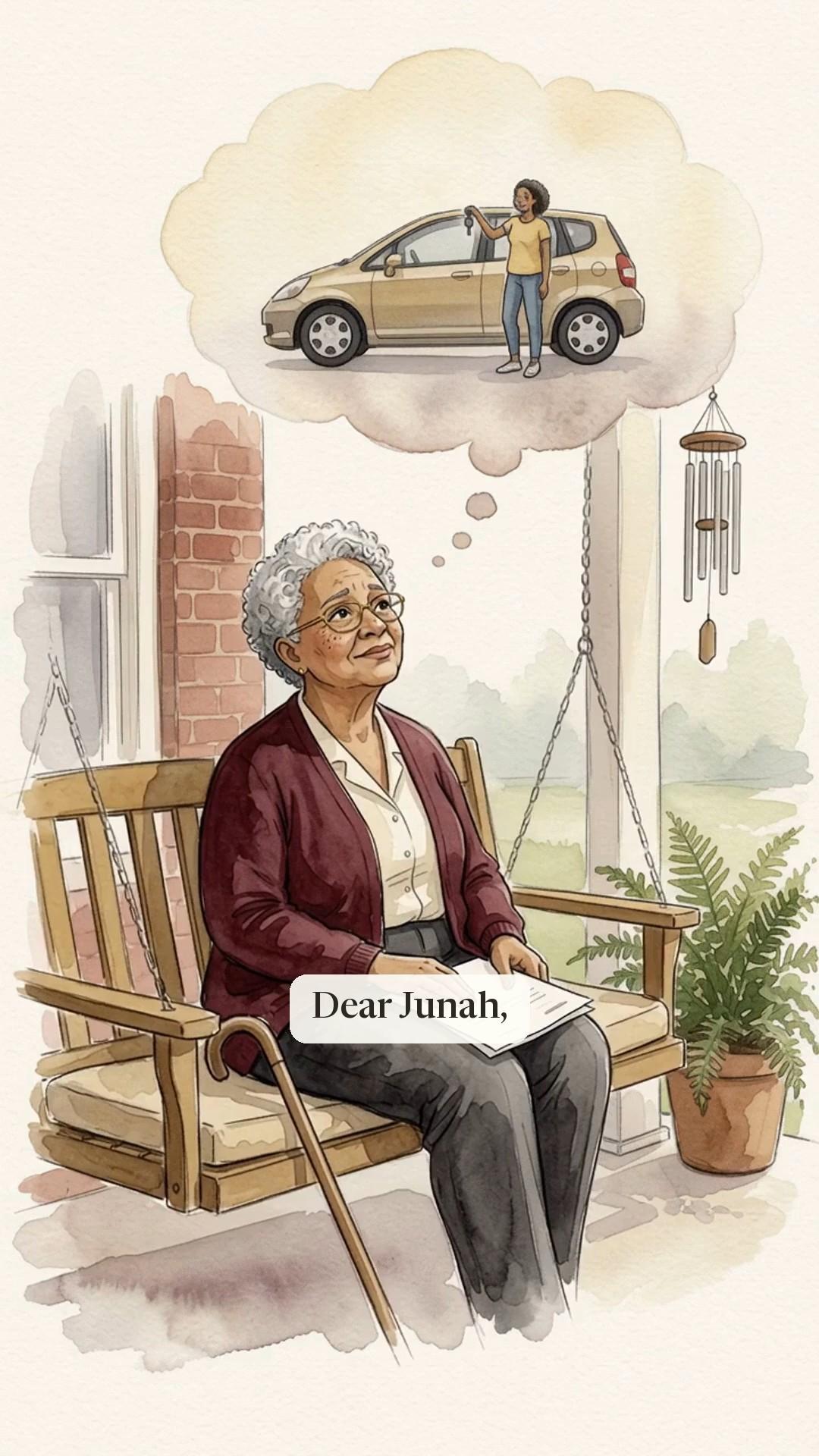
Dear Junah,
My sister is 74 and widowed. She met a man online who says he works overseas. They've never met, but she's sent him $9,000 in gift cards. How do I help without losing her?
Worried in Sacramento
My dear, be gentle, not angry. Shame makes people hide. Suggest she ask for a video call. Real love never needs gift cards or secrecy. Report it together, and stay close.
Warm wishes, Junah
The short answer
Approach her with gentleness rather than anger, since embarrassment makes people hide things. Ask questions instead of making accusations, suggest a live video call, and remind her that someone who truly loves her would never ask for gift cards. Contact the gift card companies quickly about the $9,000, report it together to the FTC and the FBI, and above all, stay close. Isolation is what the scammer wants.

By Junah Mpofu
More than 33 years in banking, including mortgage and credit lending, and a real estate portfolio of her own
Last reviewed
The question
Dear Junah,
My sister is 74 and widowed. She met a man online who says he works overseas. They've never met, but she's sent him $9,000 in gift cards. How do I help without losing her?
Worried in Sacramento
An illustrative letter.
The answer
My dear, I can hear how worried you are, and how much you love her. Please know first that this does not mean your sister is foolish. She is grieving, she is lonely, and someone has found that tender place on purpose. Romance scammers are skilled, patient and organized, and they look for exactly what she has: a kind heart and an empty chair at the table. In 2025 alone, people over 60 reported more than 10,000 romance and confidence scams to the FBI, with losses of about $584 million. She is far from the only one.
How can I be sure it is a scam?
I cannot see his messages, but the pattern you describe matches what the Federal Trade Commission warns about almost word for word:
- They met online and have never met in person. There is always a reason he cannot come, or cannot make a video call.
- He works overseas. Scammers often claim to be on an oil rig, in the military, or working for an international organization, which explains why he is far away and why money is hard for him to reach.
- He asks for money, especially in gift cards. Gift cards, wire transfers and cryptocurrency are favorites because the money is hard to trace and almost impossible to get back. A real person who loves her would not ask her to buy gift cards and read him the numbers.
- Love arrived quickly, and so did the secrecy. Many scammers tell their targets not to discuss the relationship with family, who "would not understand".
Why can't she see what we see?
Because to her, this is not a transaction. It is the warmth of someone saying good morning, asking about her day and calling her beautiful after a year of silence. Admitting it is a scam means losing that love, losing the money and facing the embarrassment all at once. That is a great deal to ask of anyone, so many people defend the relationship instead. Scammers also coach their targets to distrust family. If you push hard, he will tell her you are jealous, and she may believe him.
How do I talk to her without losing her?
Go gently, and lead with love rather than proof. Choose a quiet moment. Tell her you are glad she has someone to talk to, and that you want to know more about him. Then ask questions, and let her hear her own answers. Where exactly does he work? Has he ever made a video call? Why does he need gift cards rather than a bank?
You might suggest, lightly, that she ask him for a live video call. Many scammers will find reasons to refuse. Even video can now be faked with new technology, so the clearest sign remains the same: he asks for money. You could also, together and with her permission, search his photos online. Scammers often steal pictures of real people, and finding them under another name can be a turning point. The FTC's articles on romance scams, read together, can help her see the pattern for herself.
If she is not ready, do not force it. Stay close, keep talking, and come back to it. Your relationship is the thread that will bring her back.
What can we do about the $9,000?
Act quickly. The FTC says to report a gift card scam to the gift card company right away, no matter how long ago it happened, and to ask for the money back. Some companies are working to stop these scams and may return the money. Keep the cards and the receipts, or photos of them, because the companies will ask for the numbers. If she sent money any other way, she should call her bank or the payment company too.
Then report it, together if you can. The FTC takes reports at ReportFraud.ftc.gov, and the FBI's Internet Crime Complaint Center takes them at ic3.gov. The Justice Department's National Elder Fraud Hotline, at 833-372-8311, has case managers who can walk you both through reporting, on weekdays from 10 a.m. to 6 p.m. Eastern time.
One warning: people who have lost money to scams are often contacted later by someone promising to recover it for a fee. That is a second scam. No legitimate agency charges to get your money back.
How can we protect her money going forward?
Gently, and with her in charge. Many banks let customers name a trusted contact, someone the bank may call if it sees unusual activity. With her agreement, you might also help her set up alerts for large withdrawals or gift card purchases. These steps protect her without taking away her independence, which matters a great deal to anyone in her seventies.
If she keeps sending money and cannot see the danger, and you fear she could lose much more, Adult Protective Services in her county can step in to help an older adult being financially exploited.
What matters most now?
Stay close. Call often, visit, invite her to lunch, sit with her in the evenings when the messages usually come. The scammer is filling a space that grief left empty. The more of that space you and her friends can fill, the less room there is for him. Love that is real never asks for gift cards or for secrets. Yours asks for neither, and she will remember that you stayed.
How to help your sister, step by step
Talk with her gently, with questions
Lead with love, not proof. Let her hear her own answers.
Suggest a live video call
Many scammers refuse. A request for money is still the clearest sign.
Search his photos together
With her permission. Scammers often use pictures stolen from real people.
Contact each gift card company now
Report the scam and ask for the money back. Keep the cards and receipts, or photos of them.
Call her bank about any other payments
Wire transfers and payment apps can sometimes be stopped if reported quickly.
Report it together
To the FTC at ReportFraud.ftc.gov and to the FBI at ic3.gov.
Call the National Elder Fraud Hotline
833-372-8311, weekdays 10 a.m. to 6 p.m. Eastern. Case managers help with reporting.
Watch for recovery scams
Anyone offering to recover her money for a fee is running a second scam.
Ask her bank about a trusted contact
Someone the bank may call about unusual activity, chosen by her.
Stay close
Calls, visits and company in the evenings leave the scammer less room.
Questions people ask
What are the signs of a romance scam?
The FTC lists several: someone met online who always has a reason not to meet in person, who claims to work overseas, often on an oil rig, in the military or for an international organization, and who soon asks for money. Requests to pay with gift cards, wire transfers, payment apps or cryptocurrency are strong warning signs. Quick declarations of love and requests for secrecy are common too.
Can you get money back after paying a scammer with gift cards?
Sometimes, if you act fast. The FTC says to report the scam to the gift card company right away, no matter how long ago it happened, and to ask for your money back, since some companies may return the money. Keep the cards and receipts, or photos of them. Then report the scam to the FTC at ReportFraud.ftc.gov.
Where do I report a romance scam targeting an older relative?
Report it to the FTC at ReportFraud.ftc.gov and to the FBI's Internet Crime Complaint Center at ic3.gov. The Justice Department's National Elder Fraud Hotline, 833-372-8311, has case managers who help with reporting for anyone 60 or older. Tell the dating site or social media platform where they met. If the person is being financially exploited and cannot protect themselves, contact Adult Protective Services in their area.
How do I convince a loved one they are being scammed?
Gently, and usually over time. Anger and proof often make people defend the relationship, especially if the scammer has warned them that family will not understand. Ask questions instead: why he cannot meet or make a video call, and why he needs gift cards. Search his photos together. Read the FTC's descriptions of romance scams side by side. Above all, stay close, since isolation is what scammers rely on.
Why do scammers ask for gift cards?
Because once someone shares the numbers on the back of a gift card, the money can be spent almost instantly and is very hard to trace or recover. Legitimate people and businesses do not ask to be paid in gift cards for debts, fees or emergencies. Any request to buy gift cards and send the numbers is a sign of a scam.
Three things to take away
- Lead with gentleness. Shame drives people into hiding.
- Someone who truly loves her will never ask for gift cards.
- Act fast on the gift cards, file a report with her, and keep her close.
One thing to do this week
Call each gift card company about the $9,000, then invite your sister to lunch and ask her, kindly, to tell you about him.
Keep going

Securing and Preserving Generational Wealth
Nine pillars for protecting wealth, preparing heirs, and leaving a legacy that outlives the wealth creator.
Discover the Wealth You Already Have
Your retirement wealth may be much broader than the balance shown on a bank or investment statement.

Why Savings Matter
Building the cushion that turns an emergency into an inconvenience instead of a crisis.
The next question
An illustrative scenario for education, not personal financial, tax, legal or investment advice. Your situation will differ. About these scenarios