
Dear Junah · Scenario
My granddaughter wants me to co-sign her car loan. Should I?
Voices in the video are AI-generated.
Read what the video says
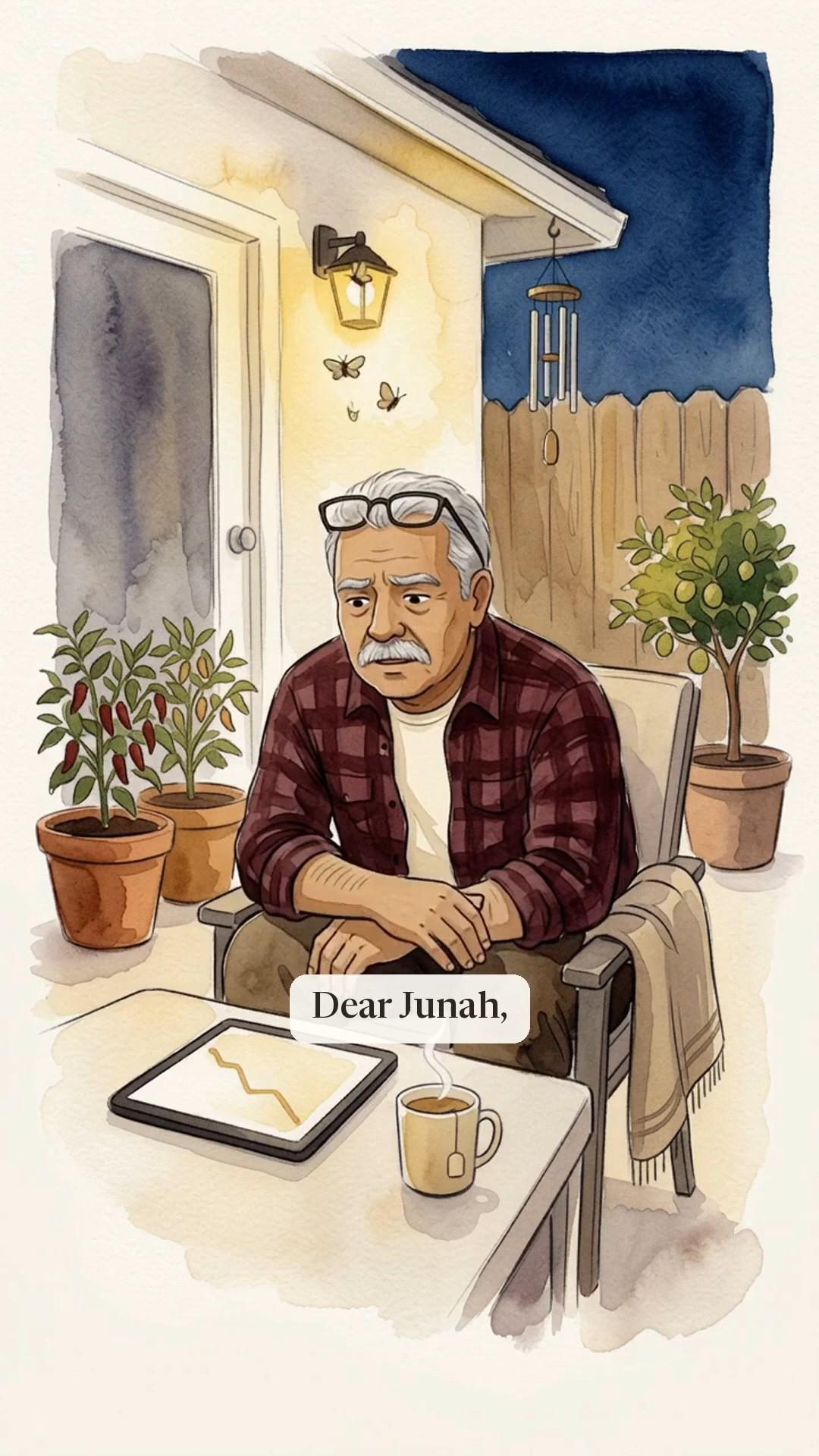
Dear Junah,
My granddaughter is 19 and needs a car for work. The dealer says she can get one if I co-sign. I'm on a fixed income, but I hate to say no. Should I?
Soft-hearted in Birmingham
My dear, a co-signer owes the whole loan if she cannot pay, and late payments hit your credit too. Help another way. Saying no to signing is not saying no to her.
Warm wishes, Junah
The short answer
Co-signing means you owe the whole loan if your granddaughter cannot pay, and her late payments go on your credit report too. On a fixed income, that is a serious risk. Many grandparents help in other ways instead: a gift toward the down payment, help finding a cheaper reliable car, or help building her credit so she can borrow on her own. Turning down the signature is not turning her down.

By Junah Mpofu
More than 33 years in banking, including mortgage and credit lending, and a real estate portfolio of her own
Last reviewed
The question
Dear Junah,
My granddaughter is 19 and needs a car for work. The dealer says she can get one if I co-sign. I'm on a fixed income, but I hate to say no. Should I?
Soft-hearted in Birmingham
An illustrative letter.
The answer
My dear, of course you want to say yes. She is nineteen, she is working, and she needs to get there. Wanting to help is what grandmothers do, and it speaks well of both of you that she has a job worth getting to. But I spent many years on the lender's side of the desk, and I want you to see co-signing the way a lender sees it, because the dealer's friendly words leave a great deal out.
What does co-signing really mean?
When you co-sign, you are not vouching for her character. You are promising to pay the loan yourself if she does not. The Consumer Financial Protection Bureau puts it plainly: a co-signer is legally obligated to repay, and the lender can collect from the co-signer without first trying to collect from the borrower. That can include late fees and collection costs on top of the balance.
The loan also appears on your credit report as your debt. If she pays late, your credit suffers alongside hers. And even if she pays perfectly, the loan counts against you if you ever need to borrow yourself.
Lenders must give co-signers a written notice explaining these responsibilities. If the dealer puts one in front of you, please read every word.
Why does the dealer want a co-signer?
A lender looks at a nineteen-year-old with a new job and sees very little history to judge her by. Your signature lets the lender lean on your credit and your income instead of hers. In other words, the dealer is really asking to borrow your good name. Dealers also often arrange the loan themselves, and they can add to the interest rate the lender offers. That is one more reason it helps to know what rate she could get elsewhere before anyone signs.
Why does a fixed income change the picture?
Because there is very little room for a surprise. A young driver's car payment, often several hundred dollars a month, could arrive in your mailbox if she loses her job, has an accident or simply falls behind. If the car is repossessed and sold for less than is owed, the shortfall can come to you too.
Ask yourself one honest question: could you make every remaining payment from your own income, without harming your own needs, if you had to? If the answer is no, then co-signing puts your security at risk, however much you love her.
Is it only about money?
No, and that is the part people rarely mention. When a co-signed loan goes wrong, the money is hard, but the strain on the family can be harder. A grandmother chasing her granddaughter about late payments is not the relationship either of you wants. Keeping money and love apart can protect both.
How else can I help her?
There are kinder ways to help that keep you safe:
- A gift toward the down payment. A larger down payment means a smaller loan, which may be one she can get on her own. Whatever you give, give it as a gift, an amount you can afford to part with.
- A cheaper, reliable car. A modest used car with a smaller loan, or one bought outright, may serve her just as well for getting to work, and it costs less to insure.
- Help shopping for the loan before the dealer. Many people get preapproved by a bank or credit union first, so they know what rate they qualify for. Some credit unions have programs for first-time car buyers with little credit history.
- Help building her credit. A secured credit card or a small credit-builder loan, paid on time every month, can give her a credit history of her own within a year or so.
- A bridge in the meantime. Help with bus fare or rides for a few months while she saves can buy time for a better plan.
The checklist further down gathers these.
What if I decide to co-sign anyway?
It is your money and your choice, and some grandparents decide the risk is worth it. If you do, protect yourself. Keep the loan as small as possible, with a sensible car and a real down payment. Ask the lender to agree in writing to tell you if a payment is missed, and ask for online access so you can see the account yourself. Keep copies of every paper you sign. And talk with your granddaughter, before you sign, about what happens if she cannot pay: who she will tell, and how quickly.
How do I say no without hurting her?
Tell her the truth, warmly: "I love you, and I want to help you get that car. I can't sign the loan, because if something went wrong, I couldn't afford the payments on my income. But here is what I can do." Then offer the help you can give. Most young people, once they understand, respect a grandmother who protects herself, and they remember the help that came with the no.
You have spent a lifetime taking care of others. Taking care of yourself now is part of taking care of her, too.
Before you sign anything
Ask for the full numbers
The price, the loan amount, the interest rate, the monthly payment and the number of months.
Test it against your own income
Could you make every remaining payment yourself without harming your own needs?
Offer a gift toward the down payment instead
A smaller loan may be one she can get on her own.
Look at cheaper, reliable used cars
A smaller loan, or a car bought outright, also costs less to insure.
Help her get preapproved before the dealer
Some banks and credit unions have programs for first-time car buyers.
Help her start building credit
A secured card or a small credit-builder loan, paid on time every month.
If you co-sign: get a written promise of notice
Ask the lender to tell you in writing if a payment is ever missed.
If you co-sign: get online access and copies
Watch the account yourself and keep every paper you sign.
Never sign under pressure
You can take the papers home and decide another day.
Questions people ask
What happens if I co-sign a loan and the borrower stops paying?
You become responsible for the debt. The lender can collect the full balance from you, along with late fees and collection costs, and in many states it can do so without first trying to collect from the borrower. It can use the same methods it would use against the borrower, including a lawsuit. If the car is repossessed and sold for less than is owed, you may owe the difference.
Does co-signing a car loan affect my credit?
Yes. The loan appears on your credit report as your obligation. Late or missed payments by the borrower can lower your credit scores, and even when payments are on time, the debt counts against you when you apply for credit yourself. Asking for online access to the account lets you watch the payments and act quickly if one is missed.
Can I take my name off a co-signed car loan later?
Usually only if the loan is paid off or the borrower refinances it in her own name, which requires her to qualify on her own credit and income. Few auto lenders simply release a co-signer. That is why it helps to think of co-signing as a commitment for the full length of the loan, often five or six years, rather than a short favor.
How can a 19-year-old get a car loan without a co-signer?
A larger down payment and a cheaper car both shrink the loan, which makes approval more likely. Getting preapproved at a bank or credit union, some of which have first-time buyer programs, shows what she qualifies for before visiting a dealer. Building credit with a secured card for six months to a year, and showing steady income from her job, can also help her borrow on her own.
Should a retiree on a fixed income co-sign a loan?
It carries real risk. A co-signer is responsible for the entire debt if the borrower falls behind, and a fixed income leaves little room for a payment you did not plan for. Many retirees choose to help in other ways, such as a gift toward a down payment or help finding a cheaper car. If you do co-sign, keep the loan small, get online access, and ask the lender to notify you of any missed payment.
Three things to take away
- Co-signing means you can be asked to pay the entire loan.
- On a fixed income, test every payment against your own budget.
- Help with a down payment gift or a cheaper car instead of a signature.
One thing to do this week
Ask the dealer for the full loan details in writing, take them home, and work out whether you could make every payment yourself.
Keep going

What lenders see, what borrowing really costs, and how to use credit without it using you
Credit is a reputation system built from records — use it well and it opens doors; use it carelessly and small purchases become long debts.

Creditworthiness: A Doorway to Financial Opportunity
How lenders assess your ability to repay — and why creditworthiness is a doorway to opportunity, not a measure of your worth.

Debt Management Builds Future Freedom
How you manage debt determines whether borrowing supports your future or limits it — and why debt management builds future freedom.
The next question
An illustrative scenario for education, not personal financial, tax, legal or investment advice. Your situation will differ. About these scenarios