
Dear Junah · Scenario
I paid my supplier back home $6,000 upfront. The fabric never came.
Voices in the video are AI-generated.
Read what the video says
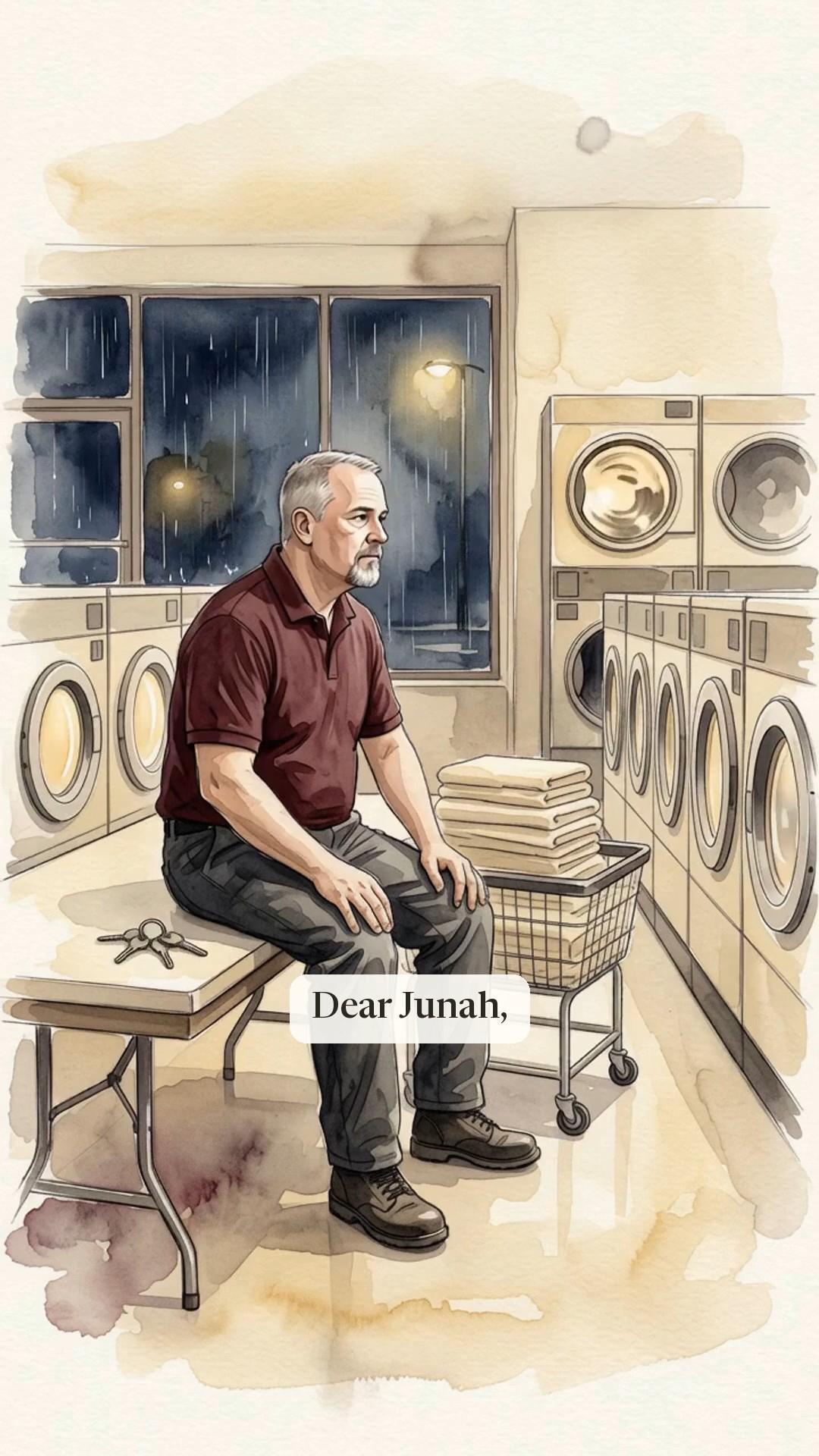
Dear Junah,
I run a small fabric shop. I paid my supplier in Dakar $6,000 upfront, like always. Three months later, no fabric, and now he barely answers. My customers are waiting. What do I do?
Left on read in Bowie
My dear, keep every message and receipt, and stop sending money. Next time pay a deposit, the rest after inspection, and pay in a way that protects buyers. Trust, but verify.
Warm wishes, Junah
The short answer
Stop sending money, gather every message, invoice and receipt, and send the supplier a clear written demand with a deadline for delivery or a refund. Confirm the payment reached his usual account, contact your bank, and consider a lawyer in Senegal if he still does not respond. For future orders, split the payment, part upfront and the rest once the goods are inspected, or use a bank letter of credit.

By Junah Mpofu
More than 33 years in banking, including mortgage and credit lending, and a real estate portfolio of her own
Last reviewed
The question
Dear Junah,
I run a small fabric shop. I paid my supplier in Dakar $6,000 upfront, like always. Three months later, no fabric, and now he barely answers. My customers are waiting. What do I do?
Left on read in Bowie
An illustrative letter.
The answer
My dear, I am sorry. Three months of waiting, customers asking and a supplier who has gone quiet is a miserable place to be, especially when you have paid him the same way many times before. That history is exactly why you trusted him, and trust built over years is not foolish. But it does mean the protection rested entirely on his good faith. Let's do what can still be done, and then make sure it never rests there again.
What do I do first?
Gather everything in one place: every message, voice note and email, the invoice or order, proof of payment, and the dates he promised delivery. Make copies. Then stop sending any more money, whatever reason he gives, until the fabric arrives or the $6,000 is returned.
Next, make sure your money actually reached him. Criminals sometimes hack a supplier's email and send customers new bank details that look genuine. If your last payment went to a different account from usual, or he says he never received it, report it to your bank at once and to the FBI's Internet Crime Complaint Center at ic3.gov.
How do I ask for my money back?
Write to him, calmly and clearly, by email or message so there is a record. Set out the order, the amount paid, the date, the delivery date he promised, and what you want now: delivery by a specific date, or a full refund by that date. Keep it polite and factual. Some suppliers who have run into trouble, a failed shipment or a cash shortage, will respond to a clear, firm request when they would otherwise avoid an awkward call.
If you share contacts in Dakar, such as relatives, other buyers or a trade association, a respected person there may be able to visit him or speak to him directly. In business back home, a personal visit can achieve what messages cannot.
Can my bank help?
It depends on how you paid. If you sent a bank wire, ask your bank whether it can request a recall, though after three months, money that has reached his account is rarely recoverable that way. If you paid by card, ask the card issuer straight away whether you can dispute the charge, since deadlines apply. Either way, your bank's records will support any claim you make later.
Should I take legal action?
For $6,000, it may be worth a consultation. A lawyer in Senegal can send a formal demand letter, which carries more weight than your messages, and can tell you whether mediation or a claim in the local courts makes sense for the amount. Ask about the costs before agreeing to anything, so you do not spend more chasing the money than it is worth. A judgment is also only as good as the supplier's ability to pay, so weigh the chances of recovery as well as the cost.
What do I tell my customers?
The truth, kindly and quickly. Explain that your shipment is delayed, give them a realistic choice to wait, choose another fabric or receive a refund of any deposit, and keep your word. Customers forgive a delay far more easily than silence. In the meantime, look for a second source, even at a higher cost, to keep your best customers served.
How do I pay suppliers safely next time?
The U.S. government's trade agency notes that paying fully in advance is the least attractive option for a buyer, because all the risk sits with you. There are better ways, even with a supplier you trust.
- A deposit, then the balance after inspection. Pay part upfront and the rest only once the goods are inspected, by you, someone you trust or an independent inspection service, before or on arrival.
- A letter of credit. Your bank promises to pay the supplier only when documents proving the goods were shipped as agreed are presented. It costs a fee, but for larger orders it protects both sides.
- A written order. List the quantities, the quality, the delivery date and what happens if it is late.
- Verified payment details. Confirm any change in bank details by phone with someone you know, never by email alone.
- Two suppliers. Spread larger orders between two sources, so one failure does not empty your shelves.
The checklist further down gathers the steps for now.
Should I keep working with him?
That depends on what you learn. If he explains a real problem, delivers or refunds, and agrees to safer terms from now on, a long relationship may be worth keeping. If he stays silent or offers only excuses, it is time to move your business elsewhere and tell others in your trade, factually and fairly, what happened.
What about the loss itself?
If the money cannot be recovered, talk to your accountant about whether the loss can be deducted as a business expense. Keep all your records, since they will be needed either way.
You built a shop people rely on. A hard lesson like this, handled well, makes it stronger. Trust your partners, and protect your payments too.
If a supplier keeps your money
Gather every message, invoice and receipt
Make copies and keep them in one place.
Stop sending money
Until the goods arrive or the money is returned.
Confirm the payment reached his usual account
If bank details were changed by email, report it to your bank and to ic3.gov.
Send a written demand with a deadline
Delivery by a set date, or a full refund by that date.
Ask a trusted contact in Dakar to help
A respected person visiting in person can achieve what messages cannot.
Call your bank or card issuer
Ask about a wire recall or a card dispute. Deadlines apply.
Consult a lawyer in Senegal
A formal demand letter carries weight. Ask about costs first.
Tell waiting customers honestly
Offer to wait, switch fabric or receive a refund of any deposit.
Line up a second supplier
So one failure never empties your shelves again.
Ask your accountant about the loss
Whether it can be deducted if the money is not recovered.
Questions people ask
What can I do if an overseas supplier does not deliver after I paid?
Stop sending money, save every message, invoice and payment record, and send a written demand for delivery or a refund by a specific date. Contact your bank about a wire recall or card dispute. If the supplier still does not respond, a lawyer in the supplier's country can send a formal demand and explain local options such as mediation or a court claim. Check that your payment went to the supplier's genuine account.
What is the safest way to pay an overseas supplier?
Paying everything in advance puts all the risk on the buyer. Safer approaches include paying a deposit with the balance after inspection, using a bank letter of credit for larger orders, or using documentary collections, where the bank releases shipping documents only when payment is made. A written order with clear delivery terms, and verifying any change in bank details by phone, add protection.
What is a letter of credit?
A letter of credit is a promise from a bank, made on behalf of the buyer, to pay the supplier once the supplier presents documents showing the goods were shipped according to agreed terms. It protects the buyer from paying for goods that are not sent, and the supplier from not being paid. Banks charge fees, so letters of credit are most common for larger orders.
Can I get money back from an international wire transfer?
Sometimes, if you act quickly. Ask your bank immediately whether it can request a recall. Once the money has been credited to the recipient's account, recovery usually depends on the recipient agreeing to return it, or on legal action. Business wires carry fewer protections than consumer transfers, which is why safer payment methods matter for large orders.
How do I protect my business from supplier payment fraud?
Confirm any change in a supplier's bank details by phone with someone you know, using a number you already have, never only by email. Criminals sometimes hack email accounts to redirect payments, a scheme the FBI calls business email compromise. Keep written orders, pay in stages tied to delivery, and report suspected fraud to your bank and to the FBI at ic3.gov.
Three things to take away
- Stop sending money, keep every record, and put your demand in writing.
- Paying everything upfront leaves all the risk with you.
- Next time: a deposit, the balance after inspection, and two suppliers.
One thing to do this week
Gather every message and receipt, then send the supplier a written demand for delivery or a full refund by a specific date.
Keep going
From Earning Money to Building Ownership
The shift from working for income to owning what produces value.
Why Savings Matter
Building the cushion that turns an emergency into an inconvenience instead of a crisis.
More Income Is Not the Same as More Wealth
Income measures money coming in. Wealth reflects what you are building and keeping over time.
An illustrative scenario for education, not personal financial, tax, legal or investment advice. Your situation will differ. About these scenarios