
More Income Is Not the Same as More Wealth
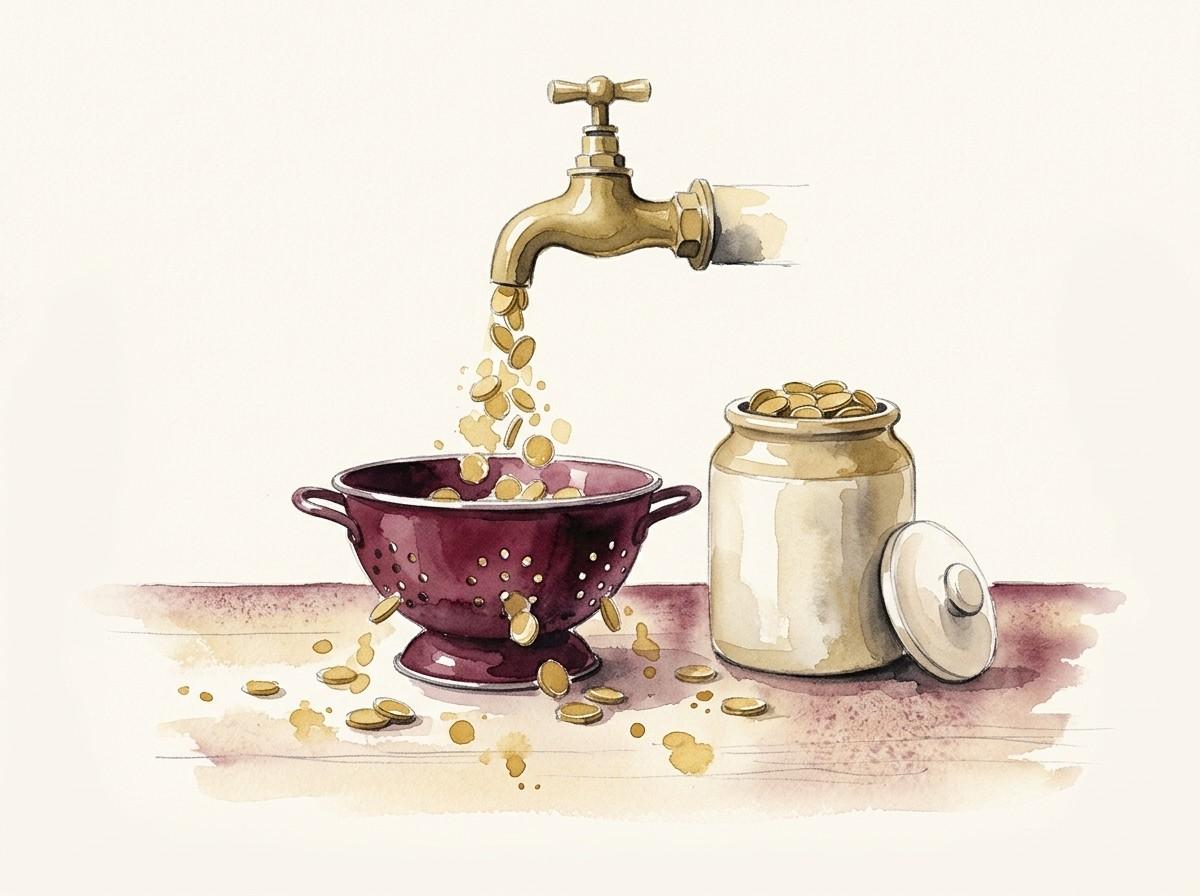
Income measures money coming in. Wealth reflects what you are building and keeping over time.

By Junah Mpofu
More than 33 years in banking, including mortgage and credit lending, and a real estate portfolio of her own
· Earning · Getting Ahead
Read to the end to earn a 20 gold points reward.
What is the Gold Points Reward (GPR)?
GPR is our points reward system. As the Junahyeng Academy platform grows, it lets you earn points and rewards: the more points you earn, the higher the rewards you will unlock in due course.
You earn points for reading and engaging with our guides and articles. Soon you will also earn them for referring friends to the platform, engaging with our socials, and more.
Create a free account to keep the points you earn.
Learning Objectives
By the end of this guide, you should be able to:
- Explain the difference between income and wealth.
- Identify why a higher salary does not automatically improve financial security.
- Recognize how increased income can either strengthen or weaken your financial position.
- Evaluate whether your current income is creating long-term progress.
- Identify one way to direct more income toward future financial strength.
Why This Matters
Many people naturally assume that earning more money means they are getting ahead. Sometimes it does. However, a person can earn significantly more than they did several years ago and still feel financially stretched.
The reason is simple:
Income measures money coming in. Wealth reflects what you are building and keeping over time.
A higher salary creates greater opportunity, but it does not guarantee that the opportunity will be used to build financial security.
Income Gives You Capacity
Income gives you the capacity to:
- Cover living expenses
- Save
- Repay debt
- Invest
- Acquire assets
- Build a business
- Develop new skills
- Prepare for retirement
- Strengthen your financial safety net
Income alone does not determine which of these outcomes you achieve; your decisions do.
Consider Two People
Imagine two people who each earn $80,000 per year.
One person spends nearly all of that income.
The other consistently saves, invests, reduces high-cost debt, and acquires productive assets.
Although they earn the same income, their financial positions may become very different over time.
The Important Shift
Instead of measuring progress only by asking:
“How much do I earn?”
also ask:
“What is my income helping me build?”
Learning Activity
Write down your current monthly income, then estimate how much of it goes toward each of the following:
- Living expenses
- Debt repayment
- Savings
- Investments
- Asset building
- Discretionary spending
Now answer:
How much of my income is currently supporting my future?
Reflection Questions
- Has my income increased over the past few years?
- Has my financial security increased as well?
- Am I saving more as I earn more?
- Am I building more assets?
- Has debt increased alongside my income?
Key Lesson
Income creates opportunity. How you use it determines whether that opportunity becomes lasting financial progress.
Disclaimer
This guide is provided for educational and informational purposes only. It does not constitute financial, investment, tax, or legal advice. Consider your individual circumstances and consult an appropriately qualified professional before making financial decisions.

Comments0
No comments yet. If something here landed, say so. It helps other readers know what to look at.