
Dear Junah · Scenario
I spent $4,100 on food delivery last year. How did that happen?
Voices in the video are AI-generated.
Read what the video says
Dear Junah,
I added up my delivery orders from last year. $4,100. For food I usually ate cold on the couch. I earn $58,000. How did that happen, and how do I stop?
Delivered and broke in Hoboken
My dear, convenience is a quiet thief. Delivery can cost nearly double the pickup price. Delete the apps for a month and move what you save somewhere you can see it grow.
Warm wishes, Junah
The short answer
Easily, one tired evening at a time. Delivery often costs about 80% more than picking up the same food, once markups, fees and the extra are added. $4,100 a year is about $342 a month, or roughly 7% of a $58,000 salary. A month without the apps, a few easy meals at home and moving the savings straight away usually breaks the habit.

By Junah Mpofu
More than 33 years in banking, including mortgage and credit lending, and a real estate portfolio of her own
Last reviewed
The question
Dear Junah,
I added up my delivery orders from last year. $4,100. For food I usually ate cold on the couch. I earn $58,000. How did that happen, and how do I stop?
Delivered and broke in Hoboken
An illustrative letter.
The answer
My dear, thank you for adding it up. Most people never do, because the number frightens them. You looked at it, you felt the sting, and you wrote to me. That is the beginning of the fix, not the end of the world.
How did it get to $4,100?
Quietly. No single order felt like a lot. Twenty dollars here, thirty there, usually on a night when you were tired and hungry and the app was right there in your hand. Spread across a year, $4,100 is about $342 a month, or around $79 a week. On a $58,000 salary, that is roughly 7 percent of everything you earn before taxes, spent on meals that often arrived lukewarm.
Why does delivery cost so much more?
Because you pay several times over for the same meal. Many restaurants raise their menu prices on delivery apps. Then come the delivery fee, the service fee, perhaps a small-order fee, and the extra you add for the driver. A LendingTree study found that ordering delivery cost about 80 percent more on average than picking up the same meal yourself, and close to 90 percent more in New York.
Put that against your own year. If your orders cost about 80 percent more than pickup would have, the same food picked up would have come to about $2,300, and cooking at home even less. The convenience alone may have cost you $1,800 or more.
Why is it so hard to stop?
Because the apps are built to make ordering easy and thinking hard. Saved cards, one-tap reorders, memberships that make fees feel free, notifications at dinnertime. And the hardest nights are the ones when you have the least energy to resist. None of that is a character flaw. It is a habit, and habits change best when we change the setting, not just the willpower. Notice when you tend to order, too. If it is always after a late shift or on Sunday nights, that is the moment to plan for.
How do I break the habit?
Try one month, not forever. Thirty days is long enough to change a routine and short enough to feel possible:
- Delete the apps. Not hide them: delete them. Reinstalling one at 10 p.m. is just enough friction to make you pause.
- Cancel any delivery membership. A monthly fee makes every order feel already paid for.
- Keep three easy meals ready. Eggs and toast, a frozen meal you actually like, pasta with a jar of sauce. The goal is not fine cooking. It is having something faster than waiting for a driver.
- When you want takeout, pick it up. You still get the meal you crave, and the walk does you good.
- Move the money the same day. Each time you would have ordered, transfer what you saved into a savings account you can see.
What could $342 a month become?
More than you might expect. Moved into savings for a single year, it comes to $4,104, more than many households keep for emergencies. Kept up for five years, it is over $20,000 before any interest. Saved for retirement and left to grow, it could become far more over the decades ahead. Returns are never promised, but small sums kept steady are how most ordinary people build real security.
Where should the savings go?
Somewhere you can watch it grow, so the reward feels real. If you do not yet have an emergency fund, that is a fine first home. If your employer matches retirement contributions and you are not getting the full match, raising your contribution by even a little turns this habit into money that grows for decades. Our Budget Planner can show you where the $342 a month would do the most good.
Do I have to give up eating out completely?
Not at all. The trouble was never enjoying a meal someone else cooked. It was spending without choosing. After your month, decide what you want food from outside to cost, perhaps a dinner out with friends each week and a pickup order on Fridays, and give it its own line in your budget. When it is planned, you can enjoy it without the morning-after guilt.
What if I slip?
You will, probably on a hard night, and that is all right. One order does not undo a month. Notice what led to it, tiredness or an empty fridge or a late shift, and plan for that moment next time. Progress here is measured in months, not in perfect weeks.
My dear, you did not lose $4,100 because you are careless. You lost it because convenience is very good at hiding its price. Now you have seen the price. Take back one month, keep what you save, and let yourself be proud of the number when it grows.
A month without the apps
Delete the apps for 30 days
Reinstalling at 10 p.m. is just enough friction to pause.
Cancel delivery memberships
A monthly fee makes every order feel already paid for.
Keep three easy meals ready
Faster than waiting for a driver, and far cheaper.
Pick up instead of delivery
The same order often costs about 80% more delivered.
Move the savings the same day
Into a savings account you can watch grow.
Set a monthly amount for eating out
Enjoy it on purpose, not by default.
Compare after 30 days
Against last year's $342 a month.
Questions people ask
How much more does food delivery cost than pickup?
A LendingTree study found that delivery cost about 80% more on average than picking up the same meal, about $9.30 more per order, because of higher menu prices on apps, delivery and service fees, and the amount added for the driver. The markup was close to 90% in New York.
How much does the average person spend on food delivery a year?
It varies widely, which is why adding up your own orders is the most useful step. Most apps let you download your order history. Dividing the yearly total by 12 shows the monthly cost, and comparing it with your income shows how large a share it takes.
How do I stop ordering food delivery?
Many people succeed with a 30-day break: deleting the apps, cancelling delivery memberships, keeping a few easy meals at home, picking up takeout instead of having it delivered, and moving the money saved into a visible savings account each time they would have ordered.
Is it bad to spend money on takeout?
Not if it is a choice that fits your budget. Problems come when spending happens by habit rather than by plan. Setting a monthly amount for eating out and giving it its own budget line lets you enjoy it without crowding out savings and other goals.
Three things to take away
- $4,100 a year is about $342 a month, roughly 7% of a $58,000 salary.
- Delivery often costs about 80% more than picking up the same meal.
- One month without the apps, with the savings moved each time, resets the habit.
One thing to do this week
Delete the delivery apps, stock three easy meals you like, and open a savings account to catch what you save.
Keep going
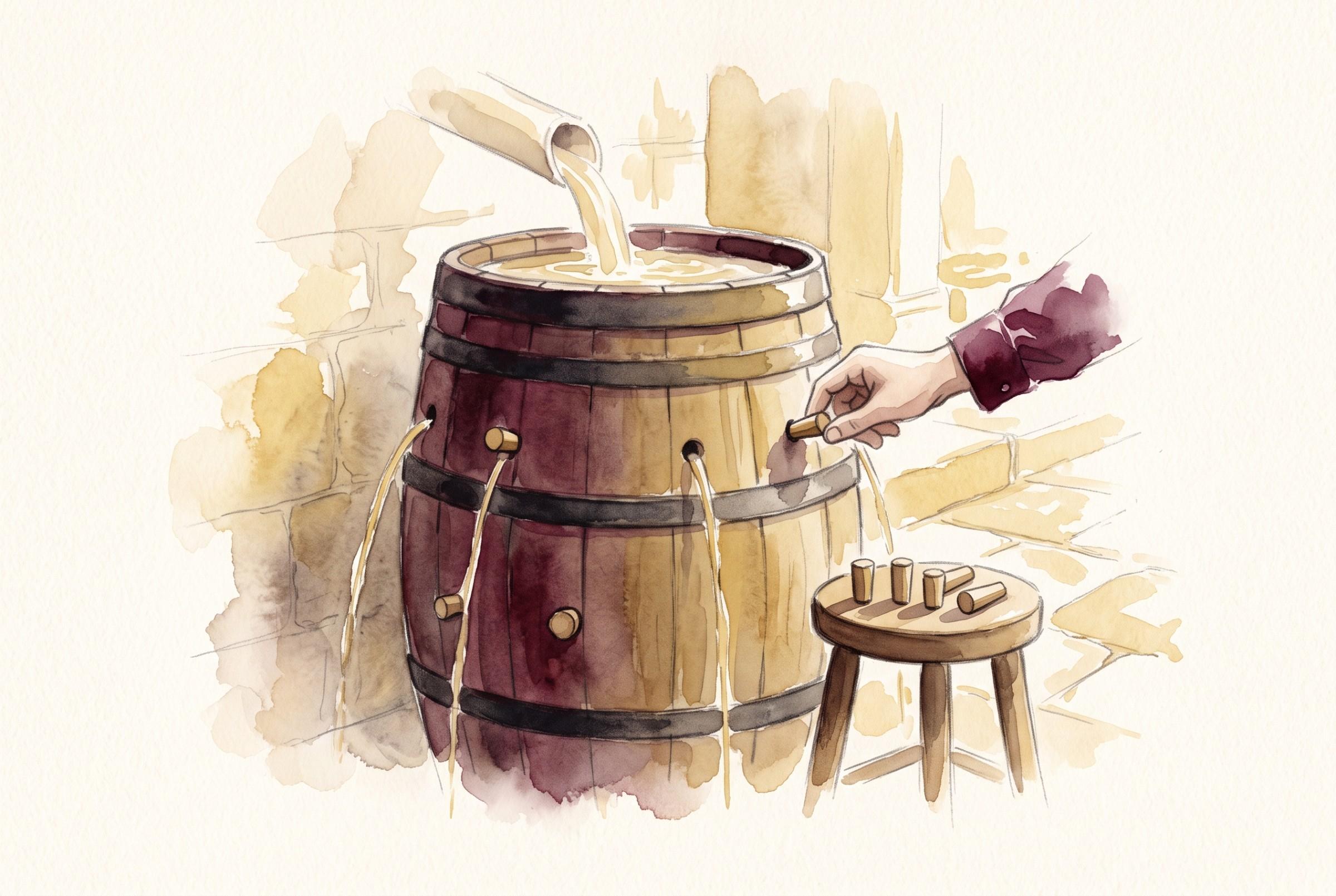
Fixing The Leak: The Path to Creating Wealth
Find where the money already goes before you try to earn more.
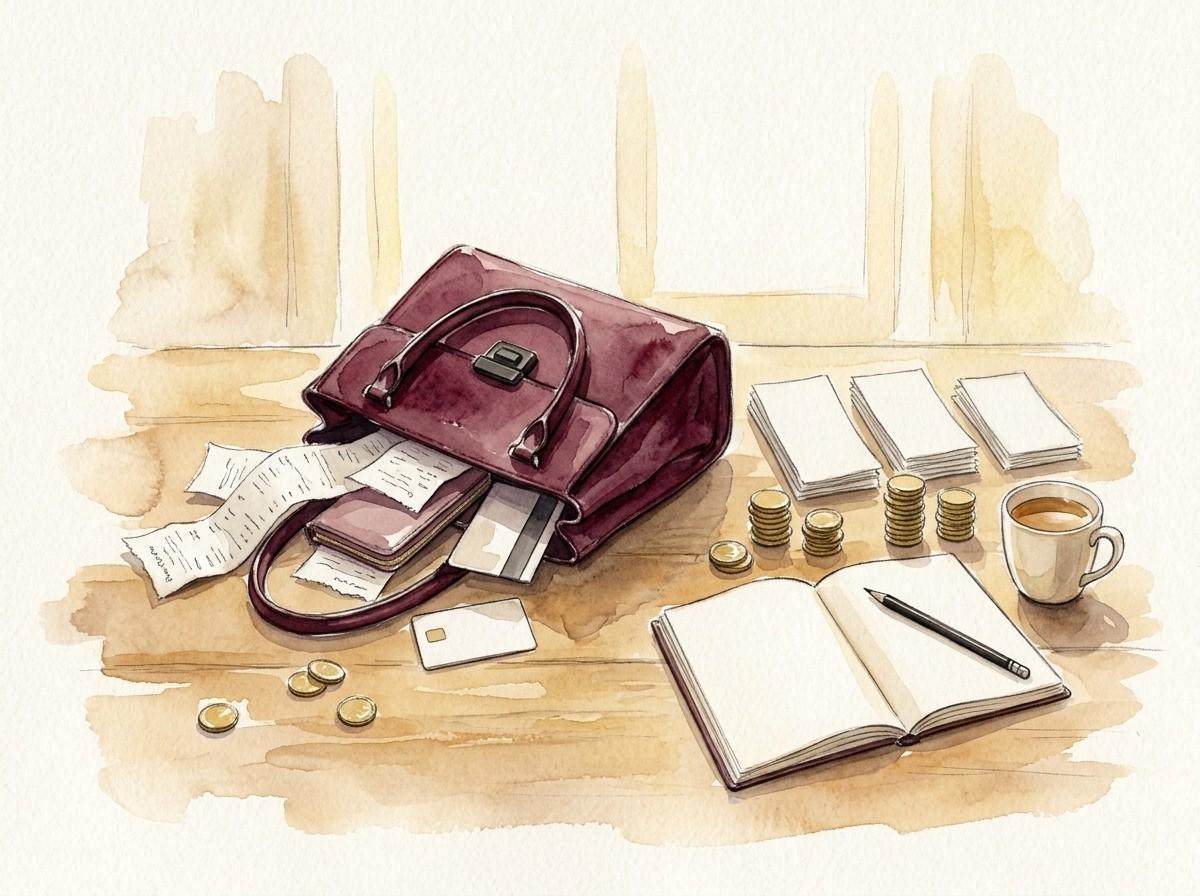
Know Your Financial Reality
Before you can improve your finances, you must first understand what is happening with your money today.
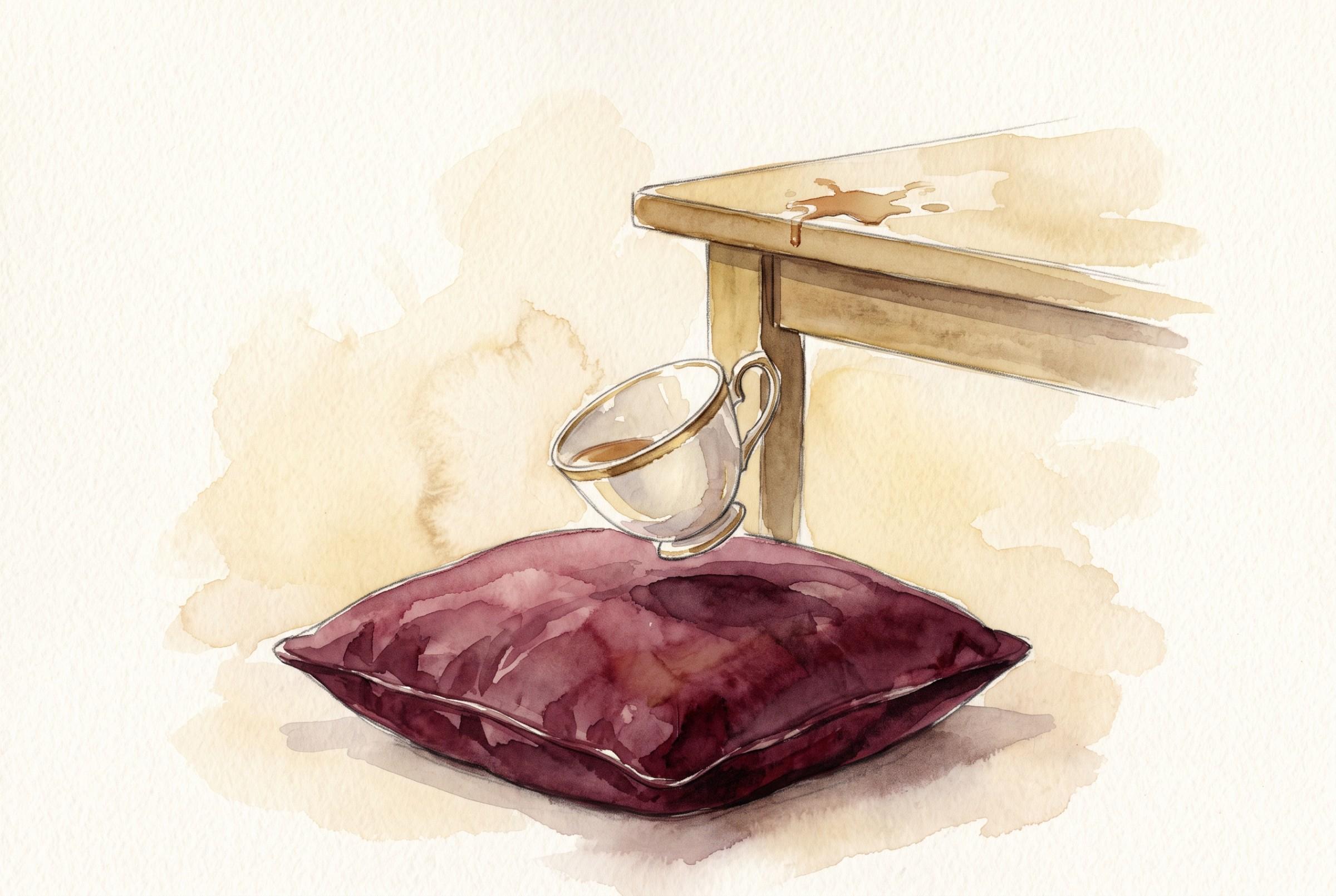
Why Savings Matter
Building the cushion that turns an emergency into an inconvenience instead of a crisis.
The next question

An illustrative scenario for education, not personal financial, tax, legal or investment advice. Your situation will differ. About these scenarios