
Dear Junah · Scenario
My parents quietly gave my sister $250,000 more. Is equal the same as fair?
Voices in the video are AI-generated.
Read what the video says
Dear Junah,
My parents helped me and my sister with down payments. My house tripled in value, hers fell, so they quietly gave her another $250,000. Nothing for me. Is equal the same as fair?
Second favorite in Cary
My dear, their money, their choice, but your hurt is real. Tell them how it landed, without asking for a check. Then ask what fair looks like in their estate plans.
Warm wishes, Junah
The short answer
Equal and fair are not always the same, and parents may define fair by dollars, by outcomes or by need. What usually hurts most is the secrecy. Say how it felt without asking for money, then ask gently whether large lifetime gifts will count in their estate plans, so everyone knows where they stand.

By Junah Mpofu
More than 33 years in banking, including mortgage and credit lending, and a real estate portfolio of her own
Last reviewed
The question
Dear Junah,
My parents helped me and my sister with down payments. My house tripled in value, hers fell, so they quietly gave her another $250,000. Nothing for me. Is equal the same as fair?
Second favorite in Cary
An illustrative letter.
The answer
My dear, I understand why this stings. You did nothing wrong. Your house happened to rise, hers happened to fall, and suddenly you are the child who received less. You learned about it afterward, too. I suspect the quiet hurt as much as the money.
Why would parents give one child more?
Most parents are trying to be fair. They simply measure fairness differently. Some count dollars: each child receives the same amount, whatever happens next. Some look at outcomes: they want each child to end up in a similar place. Others give according to need. Your parents started with equal down payments, then the housing market made the outcomes very unequal, and they tried to even them out. From their side, it may have felt like finishing what they started, not favoring your sister.
That does not make your feelings wrong. It means there may be no villain here, only two ideas of fairness meeting in one family.
Does fair have to mean equal?
Not always, and wise people disagree about it. Equal is simple and easy to see. Fair often means looking at circumstances. But both ideas need one thing to work: openness. When parents explain their thinking, children can disagree and still feel respected. When a gift happens quietly, the child left out is left to imagine the reasons, and imagined reasons are usually worse than real ones.
Haven't I come out ahead anyway?
In one way, yes, and it is worth being honest with yourself about it. A house that tripled in value has made you wealthier on paper, and your parents' first gift helped start that. But equity is not cash. You cannot spend it unless you sell or borrow against the house, and home values can fall as well as rise, as your sister learned. So your parents may see you as comfortable, while you see a mortgage, a property tax bill and no extra money in the bank. Both views are true. Our guide on why equity is wealth, not cash explains the difference.
How do I tell them it hurt?
Choose a calm moment, not a holiday table. Speak about what you felt, not what they owe. You might say: "I know you were trying to help her, and I'm glad she's on steadier ground. I was hurt that I found out afterward, and it felt like I didn't count. I'm not asking for anything. I'd like to understand how you were thinking about it."
Then listen. You may hear reasons that soften it. You may hear that they did not think about you at all, which hurts differently but at least is the truth. Either way, you will have said it once, clearly and kindly, and that matters.
Should I ask about their estate plans?
Gently, yes, because this is the real question underneath. A large gift made during their lives can be counted against your sister's inheritance later, if your parents choose. Many wills and trusts include an equalizing clause that treats big lifetime gifts as an advance. Or your parents may decide the extra gift was a correction, and everything left will be divided equally from here. Either answer is theirs to choose. Knowing which one they intend can spare you and your sister a much harder conversation after they are gone.
There is a paper trail either way. In 2026 each parent can give up to $19,000 a year to any one person without filing a gift tax return, so a gift of $250,000 usually means a return was filed. Tax is rarely owed, because the lifetime exemption is $15 million per person in 2026, but the record helps an estate attorney fit that gift into the whole plan.
If they have no plan written yet, your conversation may be the nudge they need. A will or trust prepared while everyone is well, and explained to the family while the parents can still answer questions, leaves far less room for resentment than a surprise discovered after a funeral.
What about my sister?
Please keep her out of the crossfire. She did not set the terms, and she may feel awkward or even guilty. A brother who says, "I'm glad you're okay," and means it, keeps a sister for life. If there is a hard conversation to have, it is with your parents, not with her.
How might my parents see it?
This week I also answered a father wondering whether to treat his two children differently. Reading his letter may help you see the choice the way your parents might have seen it, and help you find gentler words for your own conversation.
My dear, coming second in one decision does not make you second in their hearts. Say how it felt, ask what they intend, and let it be a conversation, not a scoreboard. Families who can talk about money honestly usually find they trust each other more for it.
Before you talk to your parents
Name what hurt most
Often it is the secrecy more than the amount.
Decide what you are not asking for
Say plainly that you are not asking for a check.
Ask how they define fair
Equal dollars, equal outcomes, or according to need.
Ask about their estate plans, gently
Whether big lifetime gifts will be counted when the estate is divided.
Remember what equity is
Your home's gain stays on paper until you sell or borrow.
Keep your sister out of it
She did not set the terms, and she may feel awkward too.
Read the parent's side
My letter to a father weighing the same choice may soften the talk.
Questions people ask
Is it fair for parents to give one child more money than another?
It depends on how a family defines fair. Some parents give equal dollar amounts, some try to equalize outcomes, and some give according to need. Each can be fair in its own way. Problems usually come from secrecy rather than from the choice itself, so explaining the reasoning openly tends to protect relationships between siblings.
Do parents have to tell their other children about a large gift?
No law requires parents to tell their other children. A gift above the annual exclusion, $19,000 per giver per recipient in 2026, usually requires the parent to file a gift tax return with the IRS, but that is a tax filing, not a notice to the family. Many estate planners encourage families to discuss large gifts openly.
Can a large gift to one child reduce their inheritance later?
Yes, if the parents choose. A will or trust can include an equalizing clause that treats large lifetime gifts as an advance on that child's share. Without clear wording, state rules decide whether a lifetime gift counts, and they vary. An estate attorney can tell parents how it applies to them.
How much can parents give a child in 2026 without paying gift tax?
Each parent can give up to $19,000 to any one person in 2026 without filing a gift tax return, so two parents can give $38,000. Larger gifts require a return, but tax is owed only after a person's lifetime gifts and estate exceed the exemption, which is $15 million per person in 2026.
Three things to take away
- Fair can mean equal dollars, equal outcomes or need; ask which your parents mean.
- Say how the secrecy felt, and make clear you are not asking for money.
- Ask whether large lifetime gifts will count in their estate plans.
One thing to do this week
Write down in two sentences what hurt most, then ask your parents for a quiet hour to talk about how they think about fairness.
Keep going
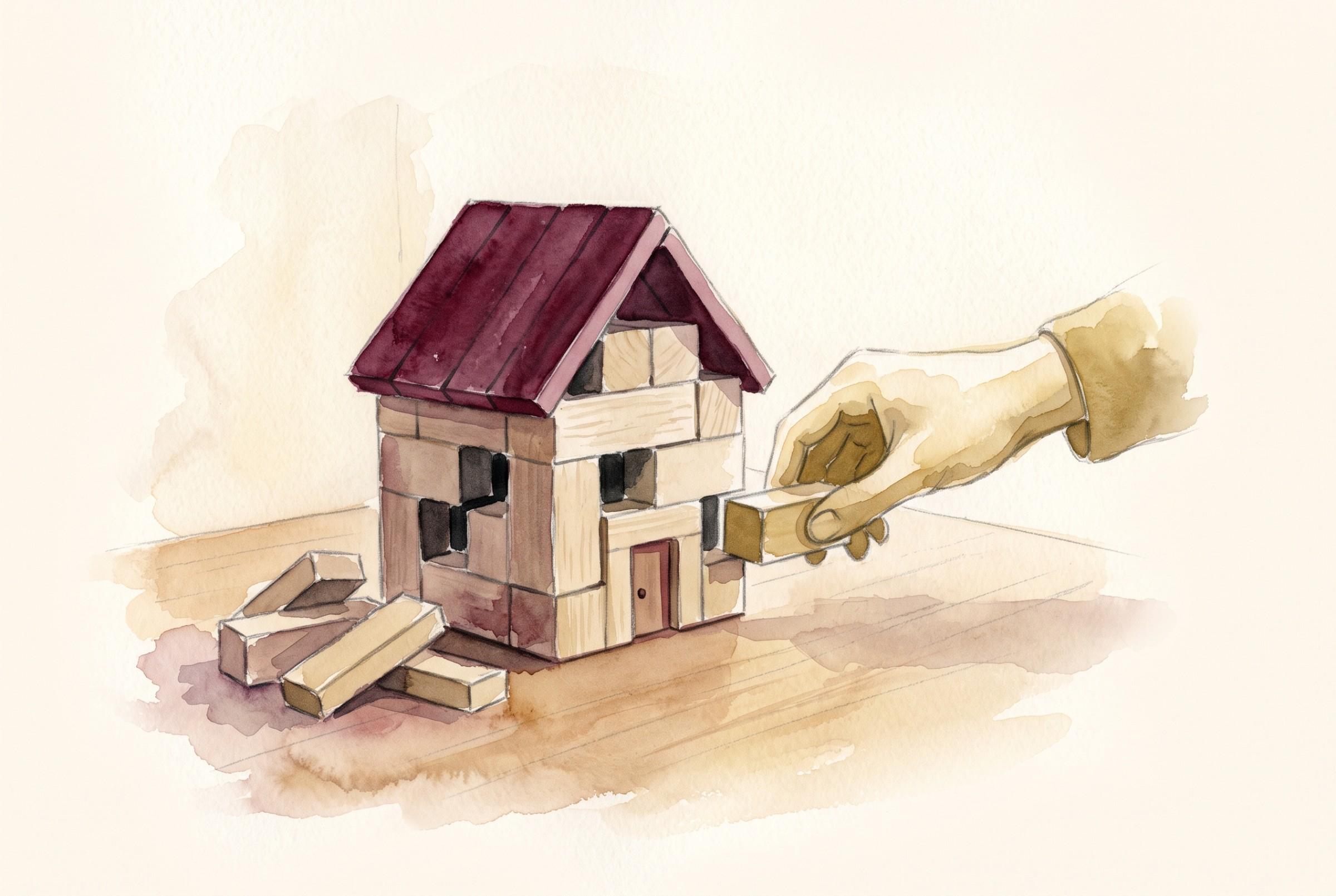
Building Property Equity: Why Equity Is Wealth, Not Cash
When the same property that builds wealth can also become a financial trap.
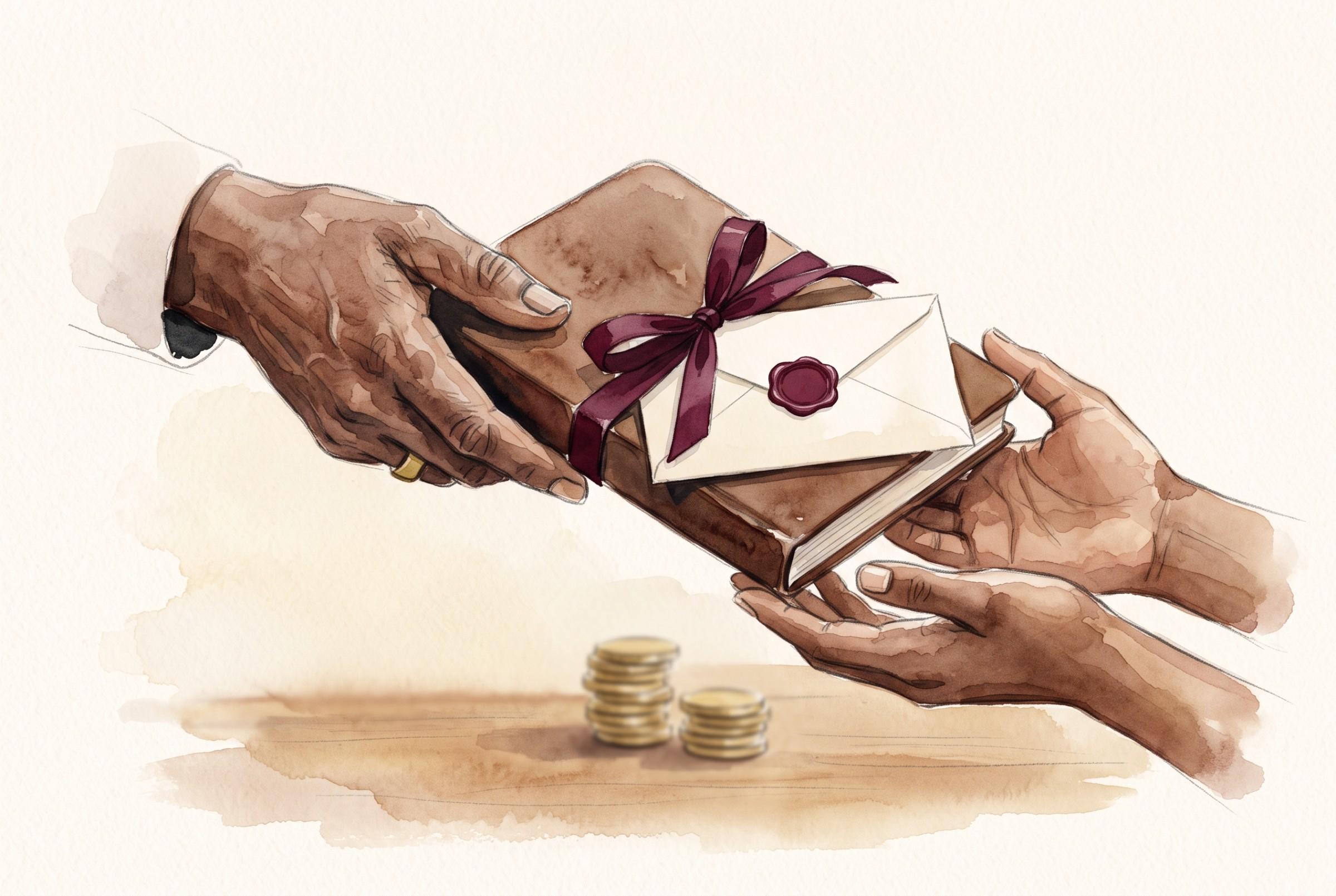
Securing and Preserving Generational Wealth
Nine pillars for protecting wealth, preparing heirs, and leaving a legacy that outlives the wealth creator.
Illusion Meets Reality – Can the Mind Turn into Actuality?
Belief is a beginning. Habits are what finish the job.

An illustrative scenario for education, not personal financial, tax, legal or investment advice. Your situation will differ. About these scenarios