
Dear Junah · Scenario
Every month there's a new emergency back home. Should we keep a separate pot for it?
Voices in the video are AI-generated.
Read what the video says
Dear Junah,
Every month there's a new emergency back home. Mama's hospital bill, my nephew's school fees, now the roof. We already sent $400. Should we keep a separate pot just for family emergencies?
Always on call in Brooklyn Park
My dear, yes. A family pot turns panic into a plan. Fill it monthly, pay schools and hospitals directly, and keep your own savings separate. Love needs a budget too.
Warm wishes, Junah
The short answer
Yes. A separate family-emergency pot, filled by a fixed amount each month, lets you help without raiding your own savings. Decide together what counts as an emergency, send school fees and hospital bills straight to the school or hospital where you can, share the load with relatives abroad, and keep your own emergency fund apart from it.

By Junah Mpofu
More than 33 years in banking, including mortgage and credit lending, and a real estate portfolio of her own
Last reviewed
The question
Dear Junah,
Every month there's a new emergency back home. Mama's hospital bill, my nephew's school fees, now the roof. We already sent $400. Should we keep a separate pot just for family emergencies?
Always on call in Brooklyn Park
An illustrative letter.
The answer
My dear, I know this weariness well. When you live far from home, every phone call can carry a new need, and every need comes wrapped in love and duty. Your mother's health, your nephew's schooling, a roof over the family's heads: none of these are small things, and none of them feel like things you can refuse. Let us find a way for you to keep helping without being worn down.
Is a separate pot really the answer?
In my experience, yes, and many families in the diaspora have found the same. Right now each emergency arrives as a shock and is paid from whatever money is nearest, often your own savings or a credit card. A separate pot changes the feeling completely. The money is already set aside, the decision about how much you can give has already been made, and a call from home becomes a question of whether the pot can cover it, not whether your family here can survive it.
How much should go into it?
Start with what you can give without harm. Look at your own budget first: housing, food, transport, your children's needs, your own savings. Then decide on a fixed monthly amount for the family pot, separate from the $400 you have already sent. For example, $150 a month builds $1,800 over a year, enough to meet many hospital bills and school fees when they come. If the pot fills up between emergencies, you can let it grow or pause your contributions for a while.
Our Budget Planner can help you see what is truly spare once your own household is covered.
What counts as an emergency?
Decide this together, as a couple, before the next call. Many families agree on a short list:
- Health. Hospital bills, medicine, urgent treatment.
- Education. School fees and exam fees that cannot wait.
- Shelter. Repairs that keep a home safe and dry.
- Funerals. Which every family meets sooner or later.
Weddings, celebrations and new businesses may be worthy, but they are not emergencies. They can be planned for, separately, with time to save.
Why send money straight to the school or hospital?
Because it helps everyone. Money that goes straight to the school or the hospital arrives where it is needed, without passing through several hands. You receive a receipt, the family member is spared the burden of carrying cash, and no one is tempted by another urgent need on the way. Many schools and hospitals accept transfers from abroad. Ask for an invoice and pay it directly whenever you can.
When you send money abroad, send it from a bank account or a debit card. Since January 2026, a 1 percent federal tax applies to transfers paid for in cash, while transfers paid from a bank account or card are not taxed.
Can we share the load?
Often you can. If you have brothers, sisters or cousins abroad too, suggest a family fund that each person pays into each month, with one trusted person keeping a simple record of what came in and what went out. When everyone gives a little regularly, no single person carries every crisis. It also removes the quiet resentment that grows when one relative always answers the phone.
Is there a way to prevent some emergencies?
Some, yes. A medical aid plan for your mother may cost less over a year than paying each hospital bill as it comes, and it gives her care without waiting for money to arrive. Paying school fees at the start of each term, from the pot, avoids the last-minute crisis. Fixing a roof properly once costs less than patching it every rainy season. Ask what would stop the same emergency from returning.
How do we say no when the pot is empty?
Kindly and honestly. You might say: "We set aside money every month for emergencies at home, and this month it has already gone to Mama's bill. I can help with the roof from next month's money." Most families respect a plan, especially when they see that you keep giving faithfully within it. Saying no to one request is not saying no to your family.
What about our own emergencies?
Keep your own emergency fund completely separate, and never empty it for the family pot. If your car breaks down or you lose a job here, you cannot help anyone. Protecting your own household is not selfish. It is what makes your help possible for years to come.
My dear, love needs a plan to last. A family pot lets you keep answering the phone with an open heart, because you already know what you can give. That is not giving less. That is giving well.
A family pot that lasts
Cover your own household first
Housing, food, transport, children and your savings.
Choose a fixed monthly amount
Separate from the $400 you have already sent.
Keep it in its own account
So it never mixes with your own emergency fund.
Agree what counts as an emergency
Health, school fees, shelter and funerals.
Send fees straight to the school or hospital
Ask for an invoice and keep the receipt.
Send from a bank account or card
Cash-funded transfers abroad carry a 1% federal tax.
Invite relatives abroad to share
A family fund with one person keeping the record.
Look for ways to prevent repeats
Medical aid for Mama, fees paid at the start of each term.
Questions people ask
How do I budget for family emergencies back home?
Many diaspora families set a fixed monthly amount into a separate savings pot reserved for family emergencies, apart from regular support and their own emergency fund. They agree in advance what counts as an emergency, such as health, school fees, shelter and funerals, and send fees and bills straight to the school or hospital where possible.
How much money should I send home each month?
There is no right amount. A common approach is to cover your own household's essentials and savings first, then choose a regular amount for family support and a separate amount for emergencies. Reviewing the amounts once a year, and sharing the load with relatives abroad, keeps giving sustainable.
Is there a tax on sending money abroad from the U.S.?
Since January 1, 2026, a 1% federal tax applies to remittances funded with cash, a money order or a similar physical instrument. Transfers paid from a bank account, or with a debit or credit card, are not subject to the tax.
How do I say no to family asking for money?
Explaining that you set aside a fixed amount each month for family needs, and saying when you can help next, is usually received better than a flat refusal. Pointing to a plan shows commitment rather than rejection. It also helps to agree with your spouse in advance which requests fall inside the plan.
Three things to take away
- A separate family pot turns each crisis into a question the plan already answered.
- Paying schools and hospitals directly gets the money where it is needed.
- Your own emergency fund stays separate, so you can keep helping for years.
One thing to do this week
Agree with your spouse on a monthly amount for a family pot and a short list of what counts as an emergency back home.
Keep going
Why Savings Matter
Building the cushion that turns an emergency into an inconvenience instead of a crisis.
Fixing The Leak: The Path to Creating Wealth
Find where the money already goes before you try to earn more.
Know Your Financial Reality
Before you can improve your finances, you must first understand what is happening with your money today.
The next question
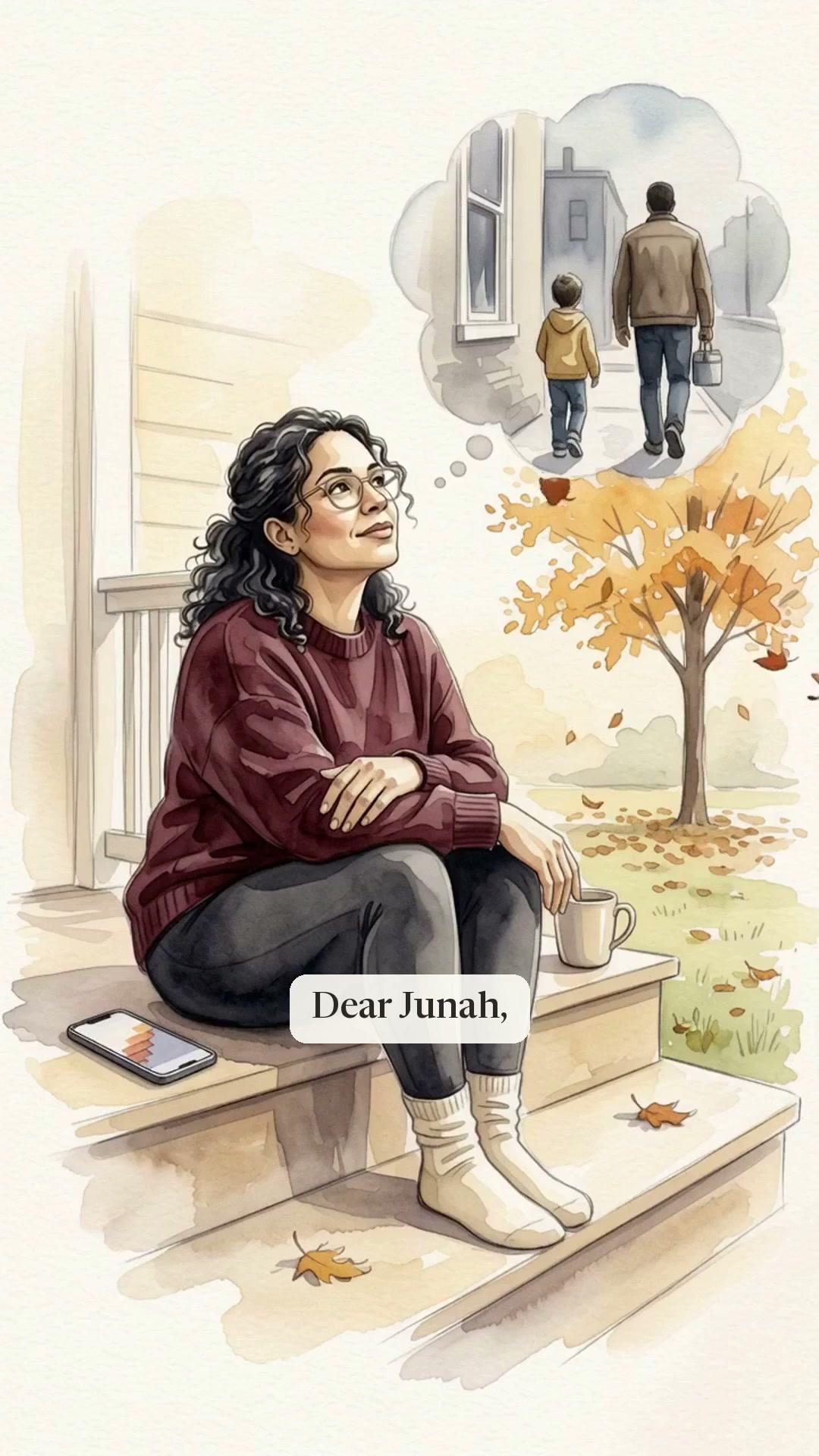
An illustrative scenario for education, not personal financial, tax, legal or investment advice. Your situation will differ. About these scenarios