
Dear Junah · Scenario
Lobola, a wedding back home and a white wedding here. How do we afford it?
Voices in the video are AI-generated.
Read what the video says
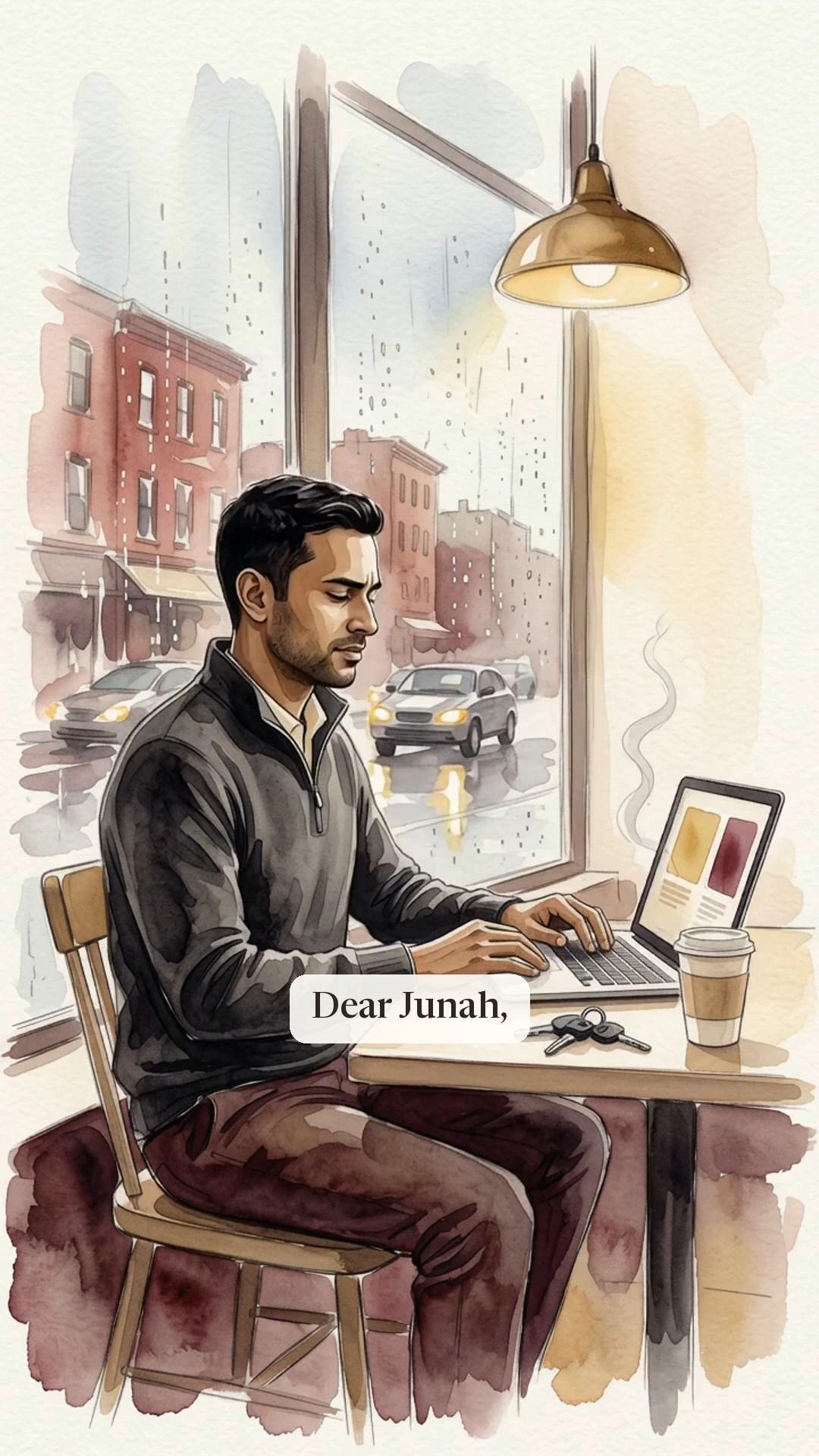
Dear Junah,
We're engaged! Her family in Bulawayo sent the lobola list, they expect a traditional wedding there, and her friends here want a big white wedding. We have $12,000. Where do we start?
Happily stressed in Stone Mountain
My dear, congratulations. Honor the culture, but not with debt. Sit with both families early, agree what matters most, and set one budget for it all. A marriage outlasts any party.
Warm wishes, Junah
The short answer
Start with one total, $12,000, and agree as a couple that you will not borrow beyond it. Talk with both families early about what matters most to each, and learn how and when the lobola is expected. Then divide the money among the lobola, the trip home, the traditional wedding and a celebration here, keeping a small cushion. Honoring tradition and starting married life free of debt can go together.

By Junah Mpofu
More than 33 years in banking, including mortgage and credit lending, and a real estate portfolio of her own
Last reviewed
The question
Dear Junah,
We're engaged! Her family in Bulawayo sent the lobola list, they expect a traditional wedding there, and her friends here want a big white wedding. We have $12,000. Where do we start?
Happily stressed in Stone Mountain
An illustrative letter.
The answer
My dear, congratulations to you both. An engagement is a joy, and I can hear the joy in your letter, even through the stress. I spent many years in Zimbabwe, and I know what a lobola list means: it is a family's way of saying your bride is precious, and that two families are about to become one. I also know how quickly the costs of honoring everyone can run ahead of what a young couple has. Let's make a plan that respects both.
Where do we begin?
Begin with the two of you, before anyone else. Sit down together and agree on two things: the total you will spend, which is the $12,000 you have, and that you will not go into debt for any part of it. Everything else becomes easier once that line is drawn, because each request can be measured against it.
Then list the parts you are paying for. You have four: the lobola, the trip home, the traditional wedding in Bulawayo and a celebration here. Each will want more than its share, so it helps to see them side by side.
How do we talk with both families?
Early, gently and with respect. Lobola is negotiated between families, often through a go-between, and in many families it is paid in parts over time rather than all at once. Learn what her family expects and when, through the proper channels, rather than guessing. Ask your own family elders to help you understand what is customary and what is open to discussion.
With both families, ask one question that changes many conversations: what matters most to you? For one family it may be the ceremony itself, for another a feast for the whole village, for another simply that certain relatives are present. When you know what truly matters, you can spend there and trim elsewhere without offending anyone.
How might $12,000 be divided?
Here is one example, only to show how the pieces can fit. You might set aside $3,000 toward the first part of the lobola, $3,000 for flights and travel home, $2,500 for the traditional wedding, $2,500 for a celebration here and $1,000 as a cushion for the costs that always appear. Your numbers will be different, but writing them down turns a worry into a plan.
Be honest with yourselves about what each amount can buy. The Knot's 2026 study found that the average American wedding in 2025 cost $34,000, with about 117 guests. On a few thousand dollars, a celebration here will be smaller than that, perhaps a short ceremony and a dinner with your closest friends, and it can be every bit as joyful.
How do we handle her friends' hopes for a grand wedding here?
That you love them, and that you would love them there. Friends who want a big wedding usually want to celebrate you, not to see you in debt. You might hold a simple ceremony and a lively party, or ask a friend with a garden to host. Some couples marry in the traditional ceremony and the courthouse now, then plan a larger celebration for an anniversary, paid for with money they have saved together. There is no rule that it must all happen this year.
Should we borrow to do it all now?
It is rarely worth it. Many couples borrow for a wedding, then spend the first years of marriage paying for one day, often at credit card rates above 20 percent a year. Money worries are hard on any new marriage. Every dollar you do not borrow is a dollar that can go toward your first home, your children or help for family later.
How do we send money home safely?
When you send money for the lobola or the wedding, use a regulated money transfer service or your bank, and compare the fees and the exchange rate, since both affect what arrives. Under federal rules, providers must show you the fees, the exchange rate and the amount to be received before you pay, and you can usually cancel within 30 minutes for a full refund. Keep every receipt, and agree in advance who receives the money and what it is for.
Which ceremony makes us legally married?
Make sure you know. Here in Georgia, a legal marriage begins with a marriage license from a county probate court. If your traditional ceremony is your main wedding, check how it is registered and recognized, both back home and here, because legal marriage matters for taxes, insurance and inheritance.
What matters after the wedding?
The wedding lasts a day or a weekend. The habits you start now last much longer. If you can plan two weddings together without debt, listening to both families and keeping to one budget, you will have practiced the very skills a good marriage needs. That is a fine way to begin.
One budget for two weddings
Agree your total and your no-debt rule
$12,000 for everything, decided together before talking to anyone else.
Ask each family what matters most
The ceremony, the feast, the guests: spend where it counts and trim elsewhere.
Learn the lobola expectations and timing
Through the proper go-between and family elders. Many families accept payment in parts over time.
Price the trip home
Flights, any visas, local travel and where you will stay.
Set an amount for each celebration
The traditional wedding in Bulawayo and the celebration here, written down.
Keep a cushion for surprises
Something always comes up. Keep it out of the other lines.
Send money through a regulated provider
Compare fees and exchange rates, and keep every receipt.
Get your marriage license
In Georgia, from a county probate court, so your marriage is legally recognized.
Plan the first savings after the wedding
Even a small monthly amount starts married life on solid ground.
Questions people ask
How much does the average wedding cost in the US?
According to The Knot's 2026 Real Weddings Study, the average wedding in 2025 cost $34,000, with about 117 guests. Costs vary widely by city, season and guest count, and many couples spend far less with a smaller celebration. The average is a description of what others spent, not a target, so it helps to begin with your own budget and build the celebration around it.
What is lobola?
Lobola is a marriage custom in many Southern African cultures, including among Ndebele and Zulu families, in which the groom's family gives cattle or money to the bride's family. It honors the bride and joins the two families. The amount and terms are negotiated between the families, often through a go-between, and in many families it is paid in parts over time rather than all at once.
How do couples afford two weddings in two countries?
Many set one total budget for everything, including travel, and divide it among the celebrations according to what matters most to each family. Some keep one ceremony small, hold the larger celebration later when they have saved, or combine a traditional ceremony with a simple legal ceremony. Talking with both families early and agreeing not to borrow keeps the costs within reach.
Is it a good idea to take out a loan for a wedding?
It is usually expensive. Personal loans and credit cards can carry high interest, and repaying a wedding for years can strain a new marriage and delay goals such as a home or an emergency fund. Many couples find that a smaller celebration paid in cash, or a larger one held later from savings, brings more peace than a loan.
What protections do I have when sending money abroad?
Under the Consumer Financial Protection Bureau's remittance rule, providers must tell you the fees, the exchange rate and the amount the recipient should receive before you pay. You can generally cancel within 30 minutes for a full refund, as long as the money has not been picked up or deposited, and providers must investigate and fix errors you report. Comparing providers can save a meaningful amount on large transfers.
Three things to take away
- Agree one total budget as a couple before talking to anyone else.
- Ask each family what matters most, and spend there.
- Honor the tradition without borrowing. Your marriage is the long investment.
One thing to do this week
Sit down together, write the $12,000 at the top of a page, and list the lobola, the trip home and both celebrations beneath it.
Keep going
Why Savings Matter
Building the cushion that turns an emergency into an inconvenience instead of a crisis.

Know Your Financial Reality
Before you can improve your finances, you must first understand what is happening with your money today.
Fixing The Leak: The Path to Creating Wealth
Find where the money already goes before you try to earn more.
The next question
An illustrative scenario for education, not personal financial, tax, legal or investment advice. Your situation will differ. About these scenarios