
Dear Junah · Scenario
I'm 42 and burned out. Why not cash out my 401(k) and travel?
Voices in the video are AI-generated.
Read what the video says
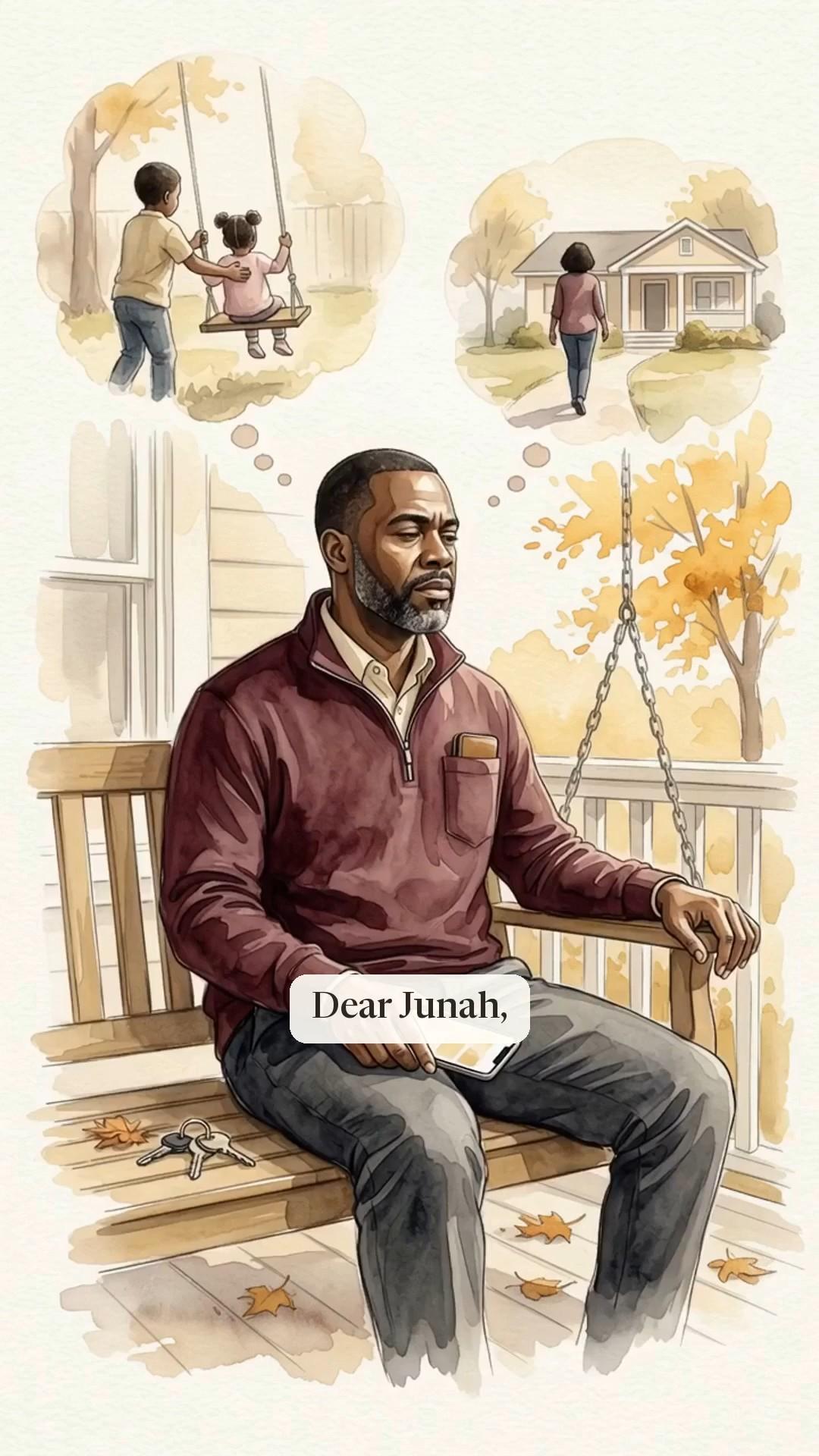
Dear Junah,
I'm 42, burned out, and plan to cash out my $80,000 401(k) to travel Asia for a year. It's my money. Why not?
Running on empty in Eugene
My dear, rest is worth paying for. But taxes and penalties could cost you over a third, and that money stops growing. Fund a shorter break and leave your future invested.
Warm wishes, Junah
The short answer
A lot. Cashing out at 42 adds the whole $80,000 to your taxable income, plus a 10% additional tax and Oregon's tax. In a year with a salary, that can take a third or more. The money also stops growing for retirement. A leave, a shorter trip paid from savings, or a direct rollover usually costs far less.

By Junah Mpofu
More than 33 years in banking, including mortgage and credit lending, and a real estate portfolio of her own
Last reviewed
The question
Dear Junah,
I'm 42, burned out, and plan to cash out my $80,000 401(k) to travel Asia for a year. It's my money. Why not?
Running on empty in Eugene
An illustrative letter.
The answer
My dear, I hear how tired you are. When someone in their early 40s writes "It's my money," it usually means they have spent years giving to work, to others and to deadlines, and have nothing left. You are right that it is your money, and you are right that you need a rest. Let me show you what the cash-out would really cost. Then let us find a way to give you the break without taking it from the woman you will be at 67.
How much would I actually keep?
Less than you think. A 401(k) holds money that has never been taxed, so cashing it out adds the whole $80,000 to your income for the year. Because you are under 59½, the IRS also adds a 10 percent additional tax, $8,000, unless an exception applies, and travel is not one of them.
How much more you lose depends on when you take it:
- In a year when you also earn your salary, much of the $80,000 could be taxed at 22 or 24 percent federally. Add the 10 percent and Oregon's 8.75 percent rate, and around 40 cents of many of those dollars would go to tax.
- In a year with no other income, the federal income tax on $80,000 would be about $8,800 after the 2026 standard deduction. With the $8,000 additional tax, that is about $16,800 before Oregon takes its share.
Either way, a large slice is gone before you board a plane. The plan also withholds 20 percent for federal tax when it pays you out, so the check arrives smaller still, and you may owe more when you file.
What does the money stop doing?
This is the cost that never appears on a tax form. Money left invested keeps working. Returns are never promised, but if $80,000 grew at 6 percent a year for 25 years, it would be about $343,000 by the time you turn 67. That is the real price of the trip: not $80,000, but a large part of your retirement, taken at the very moment it had the most time to grow.
Rebuilding it is hard, too. Replacing $80,000 from your paycheck would take years of steady saving, on top of what you already need to set aside for the retirement you were planning before.
Is there a way to rest without cashing out?
There may be several, and some may surprise you:
- Ask for a leave or a sabbatical. Some employers will grant unpaid leave to keep a good person. Your job, your benefits and your 401(k) would be waiting when you return.
- Look at Paid Leave Oregon. If the exhaustion has become a health condition a doctor certifies, the state program can replace part of your wages for up to 12 weeks in a year, and your job is protected if you have worked there at least 90 days.
- Take a shorter trip, paid from savings. Three months in Asia is still a journey that can change you, and it can be funded from money set aside over the coming year instead of from your retirement.
- Change the work, not just the scenery. Sometimes the cure for burnout is a different role, fewer hours or a new employer, with a few weeks of travel in between.
What if I quit anyway?
Then please leave the 401(k) alone. You can usually keep it in your old employer's plan or move it into an IRA through a direct rollover, which costs no tax and keeps it invested. Pay for the trip from savings you build now. If you truly must draw on retirement money, take only what you need and take it in a year when you have little other income, so the tax bite is smaller. A tax preparer can run the numbers for your situation.
Plan your health insurance too, both for the months you are away and for when you come home. Leaving a job with coverage opens a window to buy a plan through the marketplace, and that window does not stay open forever.
How do I plan a break I can afford?
Start with what you need, not what you dream. Decide how long you truly need away: a month, three months, six. Price it honestly: flights, rooms, food, insurance, and the bills that keep coming at home while you are gone. Then build a savings plan to reach it. Our Budget Planner can show you how much you can set aside each month.
And put a date on the calendar, even if it is a year away. Burnout often eases a little the moment there is something real to look forward to. Anticipation is a kind of rest too.
My dear, you deserve rest, and you deserve a future. Take the journey. Just do not let one exhausted year decide what your 67-year-old self will live on. She is counting on you, and she will want to hear all about Asia.
Before you cash out a 401(k)
Know the tax bite
Income tax on the full amount, plus 10% under age 59½, plus Oregon's tax.
Know the 20% withholding
The plan holds back 20% for federal tax, and you may owe more at filing.
Count the lost growth
At 6% a year, $80,000 could be about $343,000 in 25 years. Returns are never promised.
Ask about leave or a sabbatical
Your job and benefits could be waiting when you return.
See a doctor about the exhaustion
A certified health condition may qualify for Paid Leave Oregon.
If you quit, roll it over directly
A direct rollover to an IRA keeps it invested and untaxed.
Price a shorter trip
Fund it from savings built over the coming months.
Plan your health insurance
For the months away and for when you come home.
Questions people ask
How much do I lose if I cash out my 401(k) early?
The full amount is taxed as ordinary income, and if you are under 59½ a 10% additional tax usually applies, plus state income tax. For a single filer in 2026, cashing out $80,000 in a year with no other income would cost about $16,800 in federal tax and additional tax combined, before state tax. With a salary in the same year, it can be a third or more.
What is the penalty for cashing out a 401(k) before 59½?
The IRS adds a 10% additional tax to the taxable amount, on top of regular income tax. Exceptions include leaving the employer in or after the year you turn 55 (for that employer's plan only), disability, and certain medical expenses, among others. Travel and general living costs are not exceptions.
What should I do with my 401(k) if I quit my job?
Common choices are leaving it in the old employer's plan if the plan allows, moving it to an IRA through a direct rollover, or rolling it into a new employer's plan. A direct rollover is not taxed and keeps the money invested. Cashing out triggers income tax, usually a 10% additional tax before 59½, and 20% mandatory federal withholding.
Does Paid Leave Oregon cover burnout?
Burnout is not itself a medical diagnosis, but Paid Leave Oregon covers your own serious health condition when a health care provider certifies it, such as depression or anxiety. It can pay a share of wages for up to 12 weeks in a 52-week period, and the job is protected after 90 days with the same employer.
Three things to take away
- Cashing out at 42 means income tax, a 10% additional tax and Oregon tax.
- The larger cost is lost growth: $80,000 could become far more by 67.
- Ask about leave first, then plan a trip you can pay for from savings.
One thing to do this week
Ask HR about unpaid leave or a sabbatical, and see a doctor about the exhaustion before you resign or touch the 401(k).
Keep going
Why Savings Matter
Building the cushion that turns an emergency into an inconvenience instead of a crisis.

Know Your Financial Reality
Before you can improve your finances, you must first understand what is happening with your money today.

Illusion Meets Reality – Can the Mind Turn into Actuality?
Belief is a beginning. Habits are what finish the job.
An illustrative scenario for education, not personal financial, tax, legal or investment advice. Your situation will differ. About these scenarios