
Dear Junah · Scenario
Business Owners · Credit & debt
The bank said no, but a friend from church offered $20,000 on a handshake. Take it?
Voices in the video are AI-generated.
Read what the video says
Dear Junah,
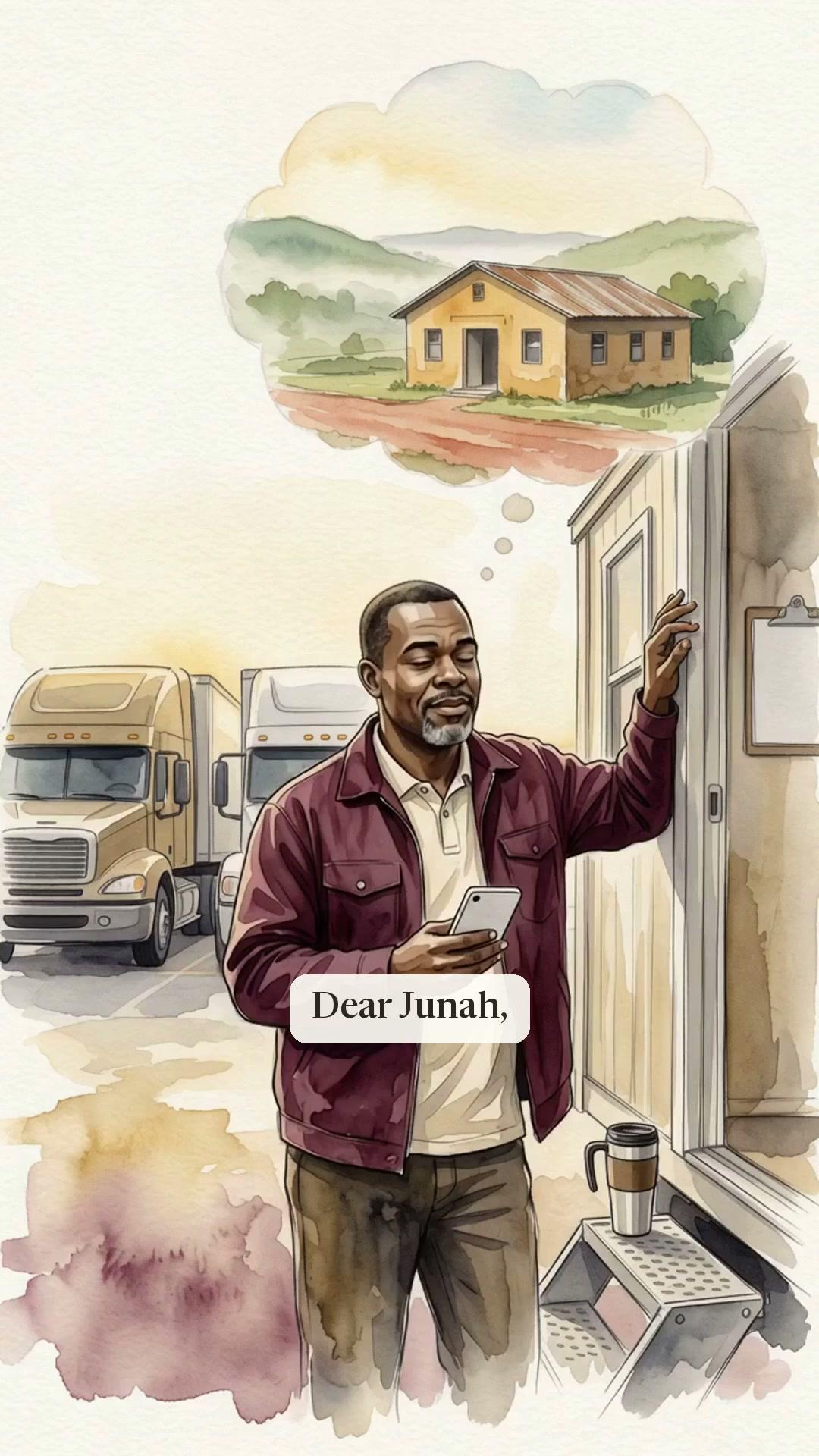
The bank turned down my restaurant for a $20,000 loan because my U.S. credit history is short. A friend from church offered the money on a handshake, pay when you can. Should I take it?
Bank said no in Upper Darby
My dear, a handshake loan can bless you or break a friendship. Write down the amount, the dates and what happens if you are late. Community lenders and credit unions may help.
Warm wishes, Junah
The short answer
It can work if both of you treat it as a real loan. Put the amount, the payments, any interest, and what happens if the restaurant struggles or closes on paper, and both sign. Also ask community development lenders and credit unions, which often look beyond a short credit history, and start building your own U.S. credit now.

By Junah Mpofu
More than 33 years in banking, including mortgage and credit lending, and a real estate portfolio of her own
Last reviewed
The question
Dear Junah,
The bank turned down my restaurant for a $20,000 loan because my U.S. credit history is short. A friend from church offered the money on a handshake, pay when you can. Should I take it?
Bank said no in Upper Darby
An illustrative letter.
The answer
My dear, a friend who offers $20,000 when a bank says no is a blessing, and I can hear how much it means to you. I have also seen handshake loans end friendships that had lasted decades, not because anyone was dishonest, but because no one wrote down what "pay when you can" meant. Let us keep the blessing and protect the friendship.
Why did the bank say no?
Banks lean heavily on U.S. credit history, and a short one gives them little to measure. It says nothing about your character or your skill. The rules for government-backed small business loans have also tightened: since March 1, 2026, SBA 7(a) and 504 loans require every owner of the business to be a U.S. citizen or national, which shuts out many immigrant owners, including green card holders. If that applies to you, it is all the more reason to look at other lenders.
What makes a handshake loan go wrong?
Unclear expectations. To your friend, "pay when you can" may mean within a year. To you, it may mean once the restaurant is truly profitable. Neither of you is wrong, but if those two pictures never meet, small worries grow into resentment. Then there are the questions no one asks at the start. What if the restaurant has a slow first year? What if it closes? What if one of you moves away, or passes away? Is the money owed by you personally, or by the business?
How do I put it in writing without offending him?
Tell him the truth: you are writing it down because you value him, not because you doubt him. Most people are relieved. A simple promissory note can be one or two pages, and should cover:
- The amount, and the date he gives it.
- Interest, if any. Many friends lend without it, and that is a gift worth naming and thanking him for.
- The payment plan. A fixed monthly amount starting on a set date, perhaps after an agreed grace period while the restaurant opens.
- What happens if you fall behind, such as a phone call within a week and a new plan in writing.
- What happens if the restaurant closes. Whether you still owe the balance personally.
- Signatures from both of you, with a copy for each.
A local attorney or a small business development center can help you draft it. Then pay by bank transfer, never in cash, so there is a clear record for both of you.
Where else could I borrow?
Before you accept, ask a few lenders who specialize in people banks overlook:
- Community development financial institutions, often called CDFIs. These are lenders certified by the U.S. Treasury to serve underserved communities. Many lend to immigrant entrepreneurs and look at your business plan, your experience and your cash flow, not just a credit score. The CDFI Fund's website lists certified lenders by state.
- Credit unions, where membership may come through your neighborhood, your job or a community group.
- Nonprofit microlenders, which make smaller loans to new businesses, sometimes with coaching included.
You might borrow part from a lender and part from your friend, so neither carries the whole risk.
How do I build credit for next time?
Start now. Open a secured credit card or a small credit-builder loan in your own name, use it lightly, and pay it in full every month. Open a business bank account and keep business and personal money apart. Ask suppliers to report your on-time payments to business credit bureaus where they can. In a year or two, the bank may tell a different story.
How do I protect the friendship?
Pay on time, every time, even if it is a small amount. If a month will be late, call him before the payment is due, not after. Share how the restaurant is doing now and then, the good news as well as the hard. Invite him to eat there. A lender who feels informed and respected rarely feels used. And when the last payment is made, tell him what his trust meant to you.
Should I take it at all?
Take it if you can repay it on the written schedule even in a slow first year, and if you could look him in the eye at church whatever happens. If the restaurant's plan depends on everything going right, borrow less, open smaller, or wait until you have more savings of your own. A friendship is worth more than an opening date.
My dear, your community believing in you is a treasure. Honor it with paper, with punctual payments and with honest conversations. That way, years from now, you will both remember this loan as the start of something good.
Borrowing from a friend, the right way
Agree the amount and the date
And whether it is owed by you or by the business.
Name any interest, or the gift of none
Thank him for it in writing.
Set a payment plan
A fixed monthly amount from a set start date.
Plan for a slow month
A call before the due date and a new plan in writing.
Plan for the worst
What happens to the balance if the restaurant closes.
Sign two copies
A local attorney or small business center can help draft it.
Ask community lenders too
CDFIs, credit unions and nonprofit microlenders.
Start your own credit file
A secured card or credit-builder loan, paid in full monthly.
Questions people ask
Should I borrow money from a friend to start a business?
It can work if both people treat it as a real loan. A written promissory note covering the amount, any interest, the payment schedule, what happens if payments are late and what happens if the business closes protects both the money and the friendship. Paying by bank transfer creates a clear record.
What should a promissory note between friends include?
The amount and date of the loan, any interest rate, the repayment schedule and start date, what happens if a payment is missed, whether the borrower owes the balance personally if the business closes, and signatures from both people. A local attorney or small business development center can help draft one.
Can green card holders get SBA loans in 2026?
Since March 1, 2026, SBA 7(a) and 504 loans require that 100% of a business's direct and indirect owners be U.S. citizens or U.S. nationals residing in the United States. Lawful permanent residents are no longer eligible to own any part of a business applying for these loans.
What is a CDFI and can it lend to immigrant business owners?
A community development financial institution is a lender certified by the U.S. Treasury's CDFI Fund to serve underserved people and communities. Many CDFIs lend to new and immigrant business owners and consider business plans, experience and cash flow alongside credit history. The CDFI Fund publishes a list of certified lenders.
Three things to take away
- Write the handshake down: amount, payments, and what happens if the restaurant closes.
- Community development lenders and credit unions often look past a short credit history.
- Start building your own U.S. credit now, so the next answer can be yes.
One thing to do this week
Look up certified community development lenders near Upper Darby, and draft a one-page note to discuss with your friend.
Keep going
From Earning Money to Building Ownership
The shift from working for income to owning what produces value.
Creditworthiness: A Doorway to Financial Opportunity
How lenders assess your ability to repay — and why creditworthiness is a doorway to opportunity, not a measure of your worth.

What lenders see, what borrowing really costs, and how to use credit without it using you
Credit is a reputation system built from records — use it well and it opens doors; use it carelessly and small purchases become long debts.
The next question
An illustrative scenario for education, not personal financial, tax, legal or investment advice. Your situation will differ. About these scenarios