
Dear Junah · Scenario
Business Owners · Credit & debt
My bank offered a $50,000 line of credit 'just in case.' Unused credit is free, right?
Voices in the video are AI-generated.
Read what the video says
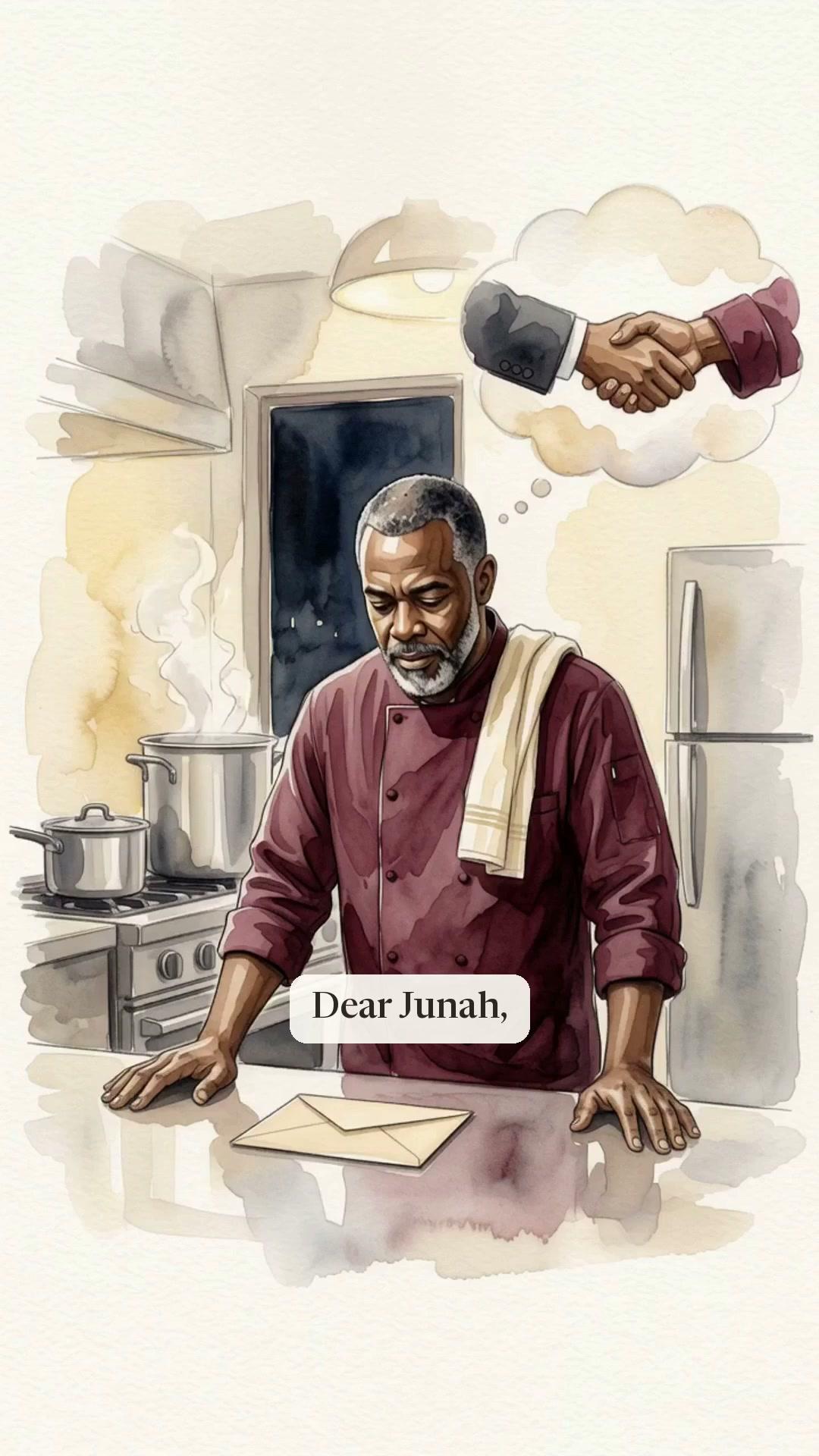
Dear Junah,
My bank offered a $50,000 business line of credit, just in case. No fee to start. Unused credit costs nothing, right?
Just in case in Bozeman
My dear, it can be a useful backup, but read the fine print. Watch for yearly fees, a personal guarantee and floating rates. Banks can also cut lines when times get hard.
Warm wishes, Junah
The short answer
It can be a sensible backup, but unused credit is not always free. Read for yearly or unused-line fees, a variable rate, a lien on business assets and a personal guarantee, which most small firms with debt have signed. Banks can also cut or freeze lines when times turn hard, so a line works best alongside a cash reserve, not instead of one.

By Junah Mpofu
More than 33 years in banking, including mortgage and credit lending, and a real estate portfolio of her own
Last reviewed
The question
Dear Junah,
My bank offered a $50,000 business line of credit, just in case. No fee to start. Unused credit costs nothing, right?
Just in case in Bozeman
An illustrative letter.
The answer
My dear, a bank offering you money before you ask is a compliment to your business. And there is real wisdom in arranging credit while things are going well, because banks lend most easily to those who need it least. But "just in case" credit has strings, and some of them are in the fine print. Let me walk you through what I would read before signing.
Does an unused line of credit really cost nothing?
Sometimes, but not always. Many business lines come with costs even when you never draw a dollar:
- An annual or maintenance fee, charged each year the line is open.
- An unused-line fee, a small percentage charged on the part of the line you do not use.
- Draw or transaction fees each time you take money out.
"No fee to start" may only mean no opening fee. Ask for every fee in writing, for every year of the agreement, not just the first.
What would I be signing up for?
This is where I would slow down. Most business lines of credit come with conditions that matter more than the fees:
- A personal guarantee. You promise to repay from your own pocket if the business cannot. The Federal Reserve's latest survey of small employers found that 59 percent of firms with debt had used a personal guarantee. If the business ever struggled, your home and savings could be on the line.
- A lien on business assets. Many lines are secured by a blanket claim on the business's equipment, inventory and receivables, which can make borrowing elsewhere harder later.
- A variable rate. Interest usually floats with a benchmark such as the prime rate, so the cost of borrowing can rise just when you need the money.
- Annual reviews and conditions. The bank may ask for financial statements each year and require the business to meet certain tests to keep the line open.
Can the bank take the line away?
Yes, and this surprises many owners. Most agreements let the bank reduce, freeze or close a line, particularly if your business weakens or the economy turns. Owners learned this painfully in past downturns, when lines they had counted on were cut at the very moment they needed them. That is why a credit line should never be your only emergency plan.
What should I keep instead of, or alongside, a line?
A cash reserve of your own. Research from the JPMorgan Chase Institute found that the typical small business holds only about 27 days of cash. Many owners aim to build several months of operating expenses in a separate savings account. Cash cannot be frozen by a bank's credit committee. A line of credit then becomes a second layer of protection, not the first.
When is a line of credit worth having?
When it is used for short, predictable gaps that the business can repay quickly. For example:
- Seasonal swings, buying stock before a busy season and repaying when sales come in.
- Waiting on customers, covering payroll while a large invoice is outstanding.
- A one-time opportunity, such as a bulk discount from a supplier, repaid within months.
It is not well suited to covering ongoing losses or buying long-term equipment. Losses borrowed on a line usually become a debt the business cannot repay, and equipment is often cheaper to finance with a term loan matched to its useful life.
What should I ask the bank before signing?
- What are every fee and the rate today, and how is the rate calculated?
- Is a personal guarantee required, and can it be limited to part of the line?
- What collateral secures the line?
- How often is the line reviewed or renewed, and on what conditions?
- Under what circumstances can the bank reduce or close it?
- Does the line, or the application, appear on my personal credit report?
Take the answers to your accountant before you sign. If the line costs little to keep open, and the guarantee and lien are terms you can live with, it may be a reasonable safety net. If not, a smaller line, or none at all and a larger cash reserve, may suit you better.
Could a smaller line be better?
Often, yes. A line sized to one or two months of expenses may come with lighter fees and conditions than $50,000, and it may be easier to repay quickly if you use it. Bigger is not safer if it tempts the business to lean on borrowed money.
My dear, credit is a tool, not a cushion. Build your own cash first, read every line of the agreement, and if you take the bank's offer, keep it for short, clear needs. Then it will be there to steady you, rather than to weigh you down.
Reading the fine print on a credit line
List every fee, every year
Annual, unused-line and draw fees, not just the opening fee.
Find the rate and how it moves
Most lines float with a benchmark such as prime.
Ask about a personal guarantee
59% of small firms with debt have signed one.
Ask what secures the line
Often a blanket lien on business assets.
Read the review and renewal terms
Yearly statements and conditions to keep it open.
Ask when the bank can cut it
Lines can be reduced or frozen in hard times.
Build your own cash reserve
The typical small business holds about 27 days of cash.
Use it only for short gaps
Seasonal stock or slow invoices, repaid within months.
Questions people ask
Should I get a business line of credit if I don't need it?
Arranging credit while a business is strong can be wise, since lenders approve more easily then. But read for annual or unused-line fees, variable rates, liens on business assets and personal guarantees, and remember banks can reduce or freeze lines. Many owners keep a cash reserve first and treat a line as a second layer of protection.
Does an unused business line of credit cost anything?
It can. Some lines charge an annual or maintenance fee, an unused-line fee on the portion not drawn, or fees for each draw, even if the opening fee is waived. Asking for every fee in writing, for every year of the agreement, shows the true cost of keeping the line open.
Do business lines of credit require a personal guarantee?
Often. In the Federal Reserve's 2026 report on small employer firms, 59% of firms with debt had used a personal guarantee to secure it. A personal guarantee means the owner may have to repay from personal assets if the business cannot.
Can a bank cut my business line of credit?
Yes. Many agreements allow the bank to reduce, freeze or close a line, especially if the business's finances weaken or economic conditions change. That is why many owners do not rely on a credit line as their only emergency plan and keep a separate cash reserve.
Three things to take away
- "No fee to start" may not mean no fees; ask about every year of the agreement.
- A personal guarantee puts your own savings behind the business's debt.
- Build a cash reserve first; banks can cut lines just when you need them.
One thing to do this week
Ask the bank for the full agreement, with every fee, the rate, the guarantee and the collateral, and read it with your accountant.
Keep going
From Earning Money to Building Ownership
The shift from working for income to owning what produces value.

Debt Management Builds Future Freedom
How you manage debt determines whether borrowing supports your future or limits it — and why debt management builds future freedom.
Building Assets Inside the Business
Turning revenue into lasting enterprise value.
The next question
An illustrative scenario for education, not personal financial, tax, legal or investment advice. Your situation will differ. About these scenarios