
Dear Junah · Scenario
I'm 41 with three kids and want to become a nurse. Is it too late?
Voices in the video are AI-generated.
Read what the video says
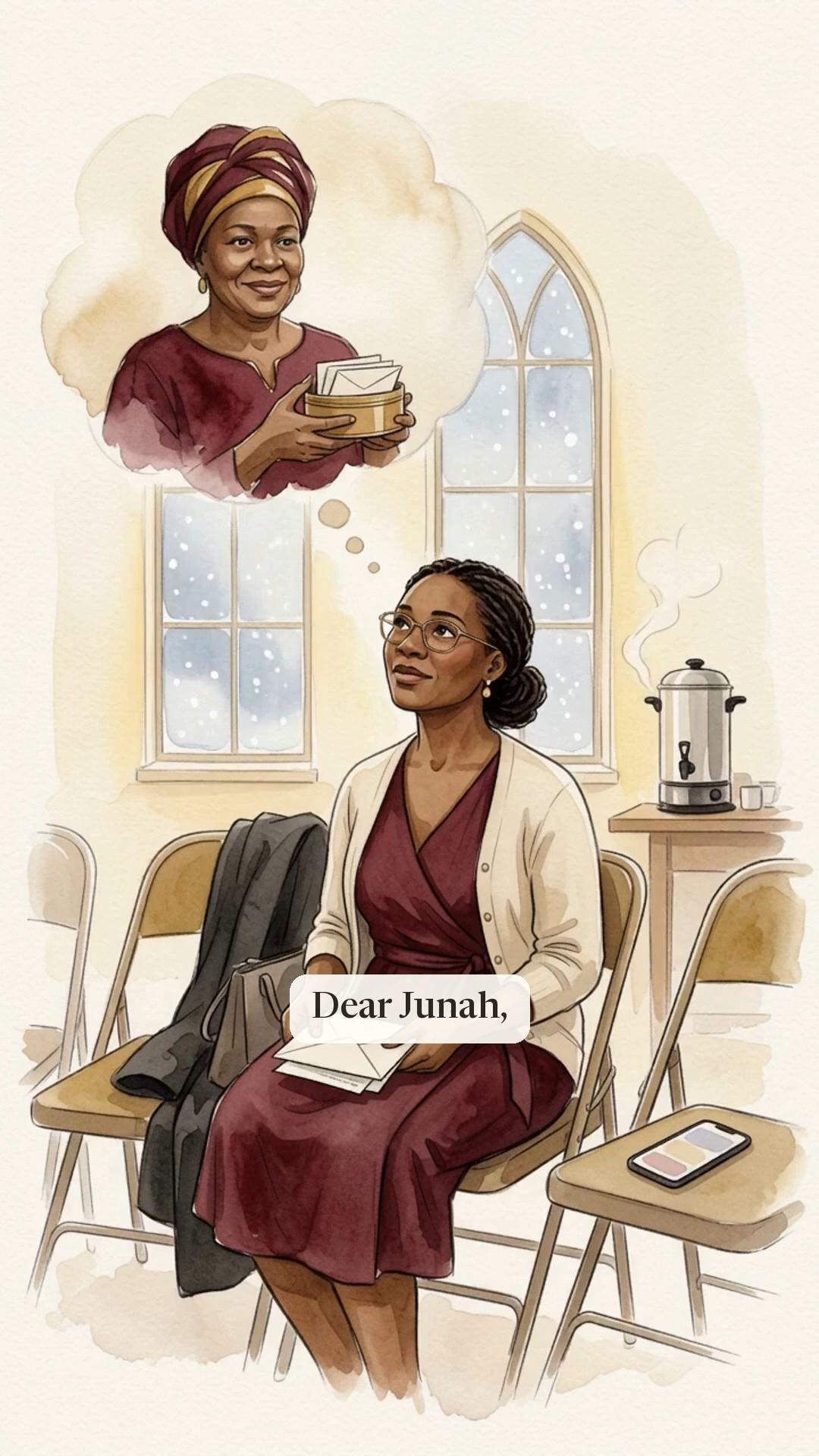
Dear Junah,
I'm 41, a mom of three, and tired of a job going nowhere. Nursing school would cost about $20,000 and two years of evenings. Is it too late to start over?
Restless in Indianapolis
My dear, you will be forty-three either way. Start the prerequisites while you keep your paycheck, ask about employer study help, and borrow as little as you can.
Warm wishes, Junah
The short answer
No, 41 is not too late. Many people enter nursing in their forties, and a new nurse at 43 still has more than twenty working years ahead. The safest route is to take prerequisite classes while you are still earning, look for grants and employer tuition help before any loan, and keep what you borrow small.

By Junah Mpofu
More than 33 years in banking, including mortgage and credit lending, and a real estate portfolio of her own
Last reviewed
The question
Dear Junah,
I'm 41, a mom of three, and tired of a job going nowhere. Nursing school would cost about $20,000 and two years of evenings. Is it too late to start over?
Restless in Indianapolis
An illustrative letter.
The answer
My dear, the next two years are going to pass whether you spend them in nursing school or not. The only question is where they leave you. I reinvented my own working life more than once, and I can tell you that the restlessness you feel is not foolishness. It is information. It is telling you that you have more to give than your current job asks of you.
That said, a career change with three children depends on careful planning. Let's look at it the way a lender would look at any investment: what it costs, what it returns, and how to fund it without putting your family at risk.
Is nursing a sound investment at 41?
On the numbers, it is one of the stronger ones. The U.S. Bureau of Labor Statistics put the median pay for registered nurses at $97,550 a year in May 2025, and it expects nursing jobs to grow faster than the average for all occupations over the next decade. Pay varies a great deal by state, setting and shift, so look up what new nurses earn near you. Still, if nursing would pay you even $20,000 a year more than your current job, $20,000 of school could pay for itself within a couple of years of work.
And time is on your side. A nurse who starts at 43 can work twenty years or more before a typical retirement age, building retirement savings on a larger income the whole way.
How long does it really take?
There are three main paths to becoming a registered nurse: an associate degree in nursing, a bachelor's degree in nursing, or a hospital diploma program. All of them end with the national licensing exam, the NCLEX-RN. Before the nursing courses themselves, most programs ask for prerequisites such as anatomy and physiology, microbiology and chemistry, which can add a semester or more.
If you already have a bachelor's degree in another field, accelerated nursing programs exist, though they are intense and hard to combine with work. Some people also begin as licensed practical nurses, a shorter program, and bridge to registered nurse later, earning as they go.
Ask each program how its clinical hours are scheduled. Evening programs sometimes still need daytime or weekend shifts at a hospital, and that is where childcare plans are tested.
How can I pay for it without sinking the household?
Think of the money in layers, cheapest first.
- Grants. File the FAFSA, the federal student aid application, for every year you study. If you do not already have a bachelor's degree, you may qualify for a Pell Grant, which does not have to be repaid. The maximum for the 2026 to 2027 school year is $7,395, depending on your family's income and size.
- Your employer. Ask human resources whether they help with education costs. Under federal tax law, an employer can pay up to $5,250 a year toward your education tax-free.
- Hospitals and health systems. Some offer tuition help to future nurses, sometimes in exchange for working there after you graduate. Ask the hospitals near you.
- Nurse Corps. This federal program pays tuition, fees and a monthly stipend for some nursing students, in return for at least two years working at a facility with a critical shortage of nurses.
- Tax credits. The Lifetime Learning Credit can reduce your federal tax by up to $2,000 a year for qualified tuition, if your income is under the limits. A CPA can tell you how it applies to you.
- Loans, last. If you still need to borrow, federal student loans generally carry more protections than private loans. Borrow only for what grants and help do not cover.
Should I quit my job to study?
Not to begin with. Start the prerequisites while your paycheck keeps coming. They are often offered in the evening or online at community colleges, and they cost far less than the nursing courses. They also give you a gentle test of how study fits around three children before you commit the larger sum. If you love it and manage it, you will apply to nursing programs with confidence.
Some people also take a job as a nursing assistant along the way. It pays less, but it puts you inside a hospital, near the nurses and managers who may one day hire you, and some employers help those assistants pay for school.
How do I protect my family while I do this?
Before you start, build a small emergency fund, even one month of essential bills, so a broken car does not end your studies. Talk with your family about the schedule, and line up help for clinical days and exam weeks. Keep paying the bills first and the school second, and keep borrowing as small as you can. The goal is to finish without debt that follows you into the new career.
What if it takes longer than two years?
Then it takes longer. Plenty of working parents take a lighter load and finish in three years instead of two. A slower path you can sustain is far better than a fast one that breaks down halfway.
You are not too late, my dear. You are right on time for the next part of your life.
Before you enroll
Ask two or three programs about cost, schedule and clinical hours
Find out when clinical shifts happen, and the total cost including books, uniforms and the licensing exam.
File the FAFSA
Grants come first. A Pell Grant can be up to $7,395 for 2026 to 2027 if you do not already have a bachelor's degree.
Ask your employer about education help
Employers can pay up to $5,250 a year toward your education tax-free.
Ask local hospitals about tuition programs
Some help pay for school in return for working there after you graduate.
Look into Nurse Corps
A federal scholarship that pays tuition and a stipend in return for two years at a facility short of nurses.
Start the prerequisites while you keep working
Anatomy, physiology, microbiology and chemistry are often offered in the evening or online.
Plan childcare for clinical days and exam weeks
Line up family, friends or paid care before the schedule arrives.
Build one month of essentials in savings
So a surprise bill does not interrupt your studies.
Borrow last, and as little as you can
Federal student loans generally carry more protections than private ones.
Questions people ask
Is 41 too old to start nursing school?
No. Many people become nurses in their forties and even fifties, often after another career. A new nurse at 43 can still work twenty years or more before a typical retirement age. Life experience, calm under pressure and good judgment are real strengths in nursing. What matters most is planning the cost and schedule so school fits alongside your family.
How long does it take to become a registered nurse?
It depends on the path. Associate degree, bachelor's degree and hospital diploma programs all lead to the national licensing exam, the NCLEX-RN. Prerequisite courses such as anatomy, physiology and microbiology can add a semester or more before nursing classes begin. Studying part time takes longer. Ask each program how long its students typically take to finish, not only the advertised length.
How can a working parent pay for nursing school?
Start with money you do not repay: file the FAFSA for federal grants, and ask your employer and local hospitals about tuition help. Employers can pay up to $5,250 a year toward your education tax-free. The federal Nurse Corps scholarship pays tuition and a stipend in return for working where nurses are scarce. The Lifetime Learning Credit can cut your federal tax by up to $2,000 a year. Borrow only for what remains.
How much do registered nurses earn?
The U.S. Bureau of Labor Statistics put the median annual pay for registered nurses at $97,550 in May 2025, meaning half earned more and half earned less. Pay varies with the state, the city, the type of facility and the shift, and new nurses usually start below the median. Job openings for nurses are expected to grow faster than average over the next decade.
Can I keep working while I am in nursing school?
Many students do, especially in part-time or evening programs. Prerequisite courses are the easiest part to combine with a job. Clinical rotations are harder, because they follow hospital schedules, which can include days or weekends. Ask each program how clinical hours are scheduled, and plan childcare and work shifts around them before you enroll.
Three things to take away
- In two years you will be 43 regardless. Arrive as a nurse.
- Take prerequisite classes while you are still earning.
- Grants and employer help first, loans last and as small as possible.
One thing to do this week
Call two nursing programs near you and ask the full cost, the schedule and how clinical hours work. Then ask your employer about education help.
Keep going

More Income Is Not the Same as More Wealth
Income measures money coming in. Wealth reflects what you are building and keeping over time.

Illusion Meets Reality – Can the Mind Turn into Actuality?
Belief is a beginning. Habits are what finish the job.

Why Savings Matter
Building the cushion that turns an emergency into an inconvenience instead of a crisis.
The next question
An illustrative scenario for education, not personal financial, tax, legal or investment advice. Your situation will differ. About these scenarios