
Dear Junah · Scenario
Should I empty my 401(k) to pay off the mortgage before I retire?
Voices in the video are AI-generated.
Read what the video says
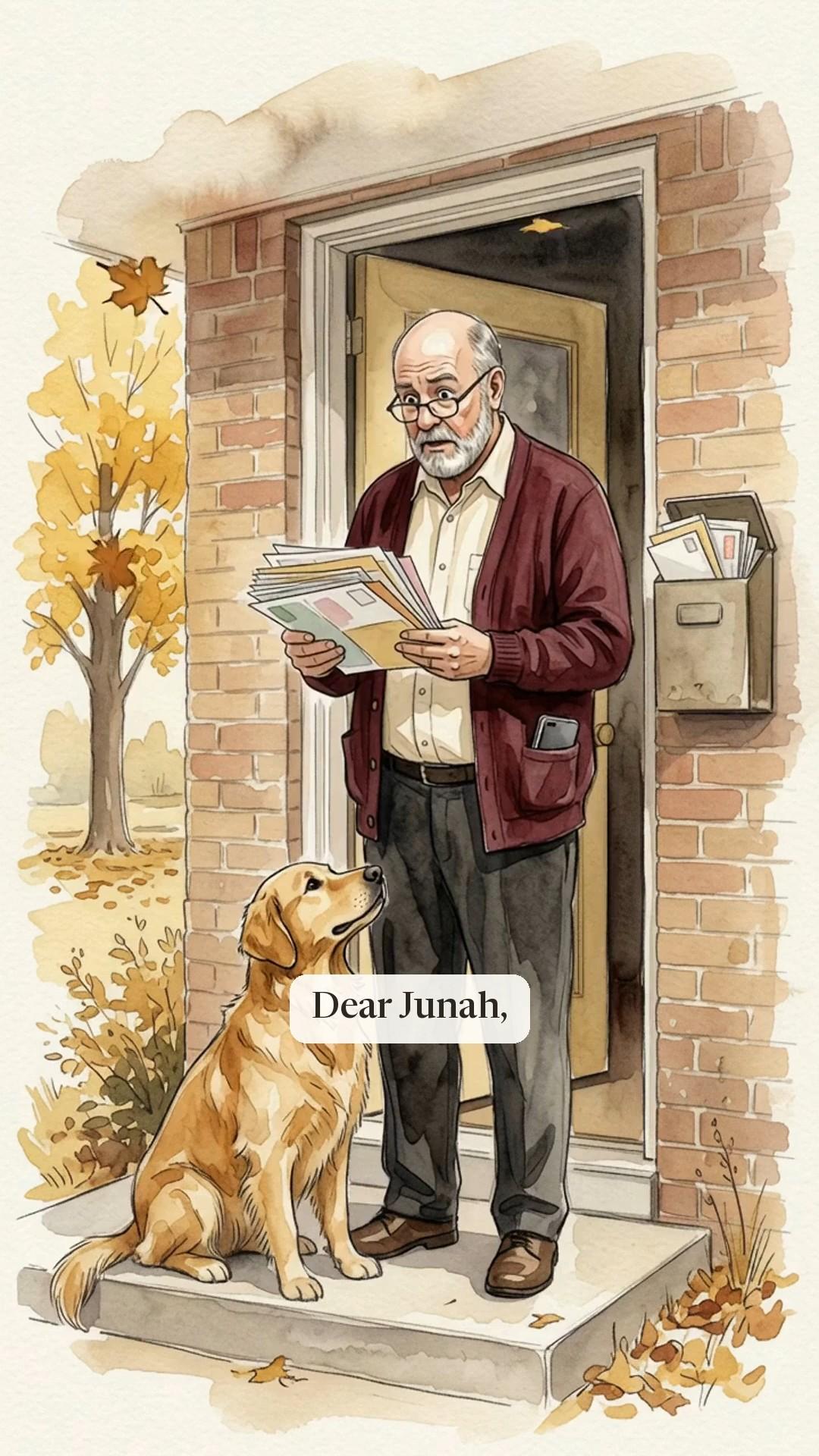
Dear Junah,
I retire next year with $80,000 left on the mortgage. I'd love to walk out debt-free, so I'm thinking of taking it all from my 401(k) at once. Is that wise?
Nearly debt-free in Knoxville
My dear, pre-tax savings are taxed in the year you withdraw them, so eighty thousand could cost far more and raise Medicare premiums later. Ask a CPA about spreading it out.
Warm wishes, Junah
The short answer
A single large withdrawal from a pre-tax 401(k) is taxed as income in the year you take it. To clear $80,000, you might need to withdraw well over $100,000, and the higher income can raise your Medicare premiums two years later. Many people instead wait until their first full year of retirement, spread withdrawals over several years, or simply keep paying the mortgage. A CPA can work out the numbers.

By Junah Mpofu
More than 33 years in banking, including mortgage and credit lending, and a real estate portfolio of her own
Last reviewed
The question
Dear Junah,
I retire next year with $80,000 left on the mortgage. I'd love to walk out debt-free, so I'm thinking of taking it all from my 401(k) at once. Is that wise?
Nearly debt-free in Knoxville
An illustrative letter.
The answer
My dear, wanting to walk out of your working life owing nothing is one of the most natural wishes there is. A paid-off home is security and peace, and I understand the pull. But the way you pay it off matters a great deal, because money in a pre-tax 401(k) is not quite all yours yet. Part of it belongs to the tax collector, and the larger the amount you take in one year, the larger that share becomes.
What does taking it all at once really cost?
Withdrawals from a traditional 401(k) count as ordinary income in the year you take them. To end up with $80,000 after tax, you have to withdraw more than $80,000, and the extra lands on top of whatever else you earn that year.
Here is a rough example for a single person. Suppose your other taxable income for the year, after deductions, came to about $40,000. To net $80,000, you would need to withdraw roughly $102,000, and about $22,000 of it would go to federal income tax, much of it at the 22 and 24 percent rates. Tennessee has no state income tax, which helps, but the federal bill alone is large. Married couples filing jointly have wider tax brackets, so their cost would be lower, though still real.
One more surprise: when a 401(k) pays a lump sum directly to you, the plan usually withholds 20 percent for federal tax. That may not cover the full bill, so you could owe more when you file.
How could it affect Medicare?
Medicare premiums for Part B and drug coverage rise for people with higher incomes, and they are based on your tax return from two years earlier. For 2026, the extra charges begin when income passes $109,000 for a single person or $218,000 for a married couple. A large one-year withdrawal could push you over that line and raise your premiums for a year, two years from now. If you are collecting Social Security, a large withdrawal can also make more of your benefit taxable.
Would it be better to wait until I retire?
Often, yes. If you take the money while you are still working, it stacks on top of your salary. In your first full year of retirement, your income will likely be lower, so more of the withdrawal could be taxed at lower rates. Some people find the years between retiring and starting required withdrawals, which begin at 73 or 75 depending on birth year, are a valuable window to draw down pre-tax savings gently. It is also worth asking whether your plan allows withdrawals while you are still employed; many do after age 59 and a half, but not all.
Can I spread it out?
Yes, and that is often the gentlest path. Instead of $80,000 in one year, you might take a portion each year for two or three years, keeping your income within a lower bracket, and pay the mortgage down in steps. Meanwhile, your regular payments keep shrinking the balance. A CPA can run the numbers for each approach and show you the total tax cost side by side.
What if my mortgage rate is low?
Then keeping the mortgage may cost less than paying it off. If your rate is modest, the interest you would save by paying it off could be smaller than the taxes you would pay to do it, and smaller than what that money might earn if it stayed invested. For instance, at a 4 percent rate, an $80,000 balance costs roughly $3,200 a year in interest at first, and less each year after, far less than a $22,000 tax bill. Look at your rate and your remaining years before deciding. There is no prize for paying off a cheap loan with expensive money.
What about having cash in retirement?
Keep some. Money paid into a house cannot easily be taken out again for a new roof, a medical bill or a car. Whatever you decide, keep an emergency fund outside the house, ideally several months of expenses, so a surprise in retirement does not send you back to the 401(k) at a bad time.
If part of your savings is in a Roth 401(k) or Roth IRA, qualified withdrawals from those accounts are tax-free and do not count toward the Medicare income test, which can make them a better source for paying down the mortgage. Check the rules for your accounts first.
So what is the wise path?
Peace of mind is worth something real, and wanting a paid-off home is reasonable. But you can usually reach it without handing a large share of your savings to taxes. Wait for your lower-income retirement years, spread the withdrawals, keep a cushion, and let a CPA check the plan before you act. You have worked hard for both the house and the savings. They both deserve careful handling.
Before you use retirement savings for the mortgage
Find your mortgage rate and remaining balance
A low rate makes paying it off with taxable money less attractive.
Ask what a full withdrawal would cost in tax
Netting $80,000 can take a withdrawal well over $100,000.
Consider waiting for your first full retirement year
With no salary on top, more of each withdrawal may be taxed at lower rates.
Compare spreading it over two or three years
Smaller yearly withdrawals can keep you in a lower bracket.
Check the Medicare premium effect
Income above $109,000 single or $218,000 joint in 2026 raises premiums, based on taxes from two years earlier.
Check the effect on Social Security tax
Higher income can make more of your benefit taxable.
Use any Roth money first
Qualified Roth withdrawals are tax-free.
Keep an emergency fund outside the house
Several months of expenses you can reach without selling anything.
Talk with a CPA before withdrawing
Ask for the total tax cost of each option side by side.
Questions people ask
Should I use my 401(k) to pay off my mortgage before retirement?
It can work, but taking a large amount at once is often costly. Withdrawals from a traditional 401(k) are taxed as income in the year you take them, so a big withdrawal can push you into higher brackets and lift Medicare premiums two years later. Many people wait until their lower-income retirement years, spread withdrawals over several years, or keep paying a low-rate mortgage. A CPA can compare the options.
How much tax will I pay on a large 401(k) withdrawal?
Traditional 401(k) withdrawals are taxed as ordinary income, so the tax depends on your total income that year. For example, a single person with about $40,000 of other taxable income would need to withdraw roughly $102,000 to net $80,000, paying about $22,000 in federal tax. Plans usually withhold 20 percent on lump sums paid to you, which may not cover the full bill.
Can a large retirement withdrawal raise my Medicare premiums?
Yes. Medicare charges higher Part B and drug plan premiums to people with higher incomes, based on the tax return from two years earlier. For 2026, the extra charges start above $109,000 of income for single filers and $218,000 for joint filers. A large one-time withdrawal can push you over that line for that year, though you can ask Social Security to review it after certain life changes.
Does Tennessee tax 401(k) withdrawals?
No. Tennessee has no state income tax on wages or retirement income, and its former tax on interest and dividends was repealed for tax years beginning in 2021. Withdrawals from a traditional 401(k) are still subject to federal income tax, which is where most of the cost of a large withdrawal comes from.
Is it better to retire with no mortgage?
Many retirees value the peace of mind and lower monthly costs. But if paying off the mortgage means a large tax bill, or leaves you with little cash, keeping a low-rate mortgage for a while can be the better choice. The right answer depends on your rate, your tax bracket, your other savings and how much the security of owning outright matters to you.
Three things to take away
- Pre-tax savings carry a tax bill that grows with the size of the withdrawal.
- Waiting for lower-income retirement years and spreading it out can save thousands.
- Keep cash outside the house, and let a CPA compare the options first.
One thing to do this week
Find your mortgage rate and balance, then ask a CPA to compare the tax cost of one withdrawal against spreading it over two or three years.
Keep going

Discover the Wealth You Already Have
Your retirement wealth may be much broader than the balance shown on a bank or investment statement.
Building Property Equity: Why Equity Is Wealth, Not Cash
When the same property that builds wealth can also become a financial trap.
Why Savings Matter
Building the cushion that turns an emergency into an inconvenience instead of a crisis.
An illustrative scenario for education, not personal financial, tax, legal or investment advice. Your situation will differ. About these scenarios