
Dear Junah · Scenario
The tip screen asks for 30% on a $6 latte. Am I cheap for pressing no tip?
Voices in the video are AI-generated.
Read what the video says
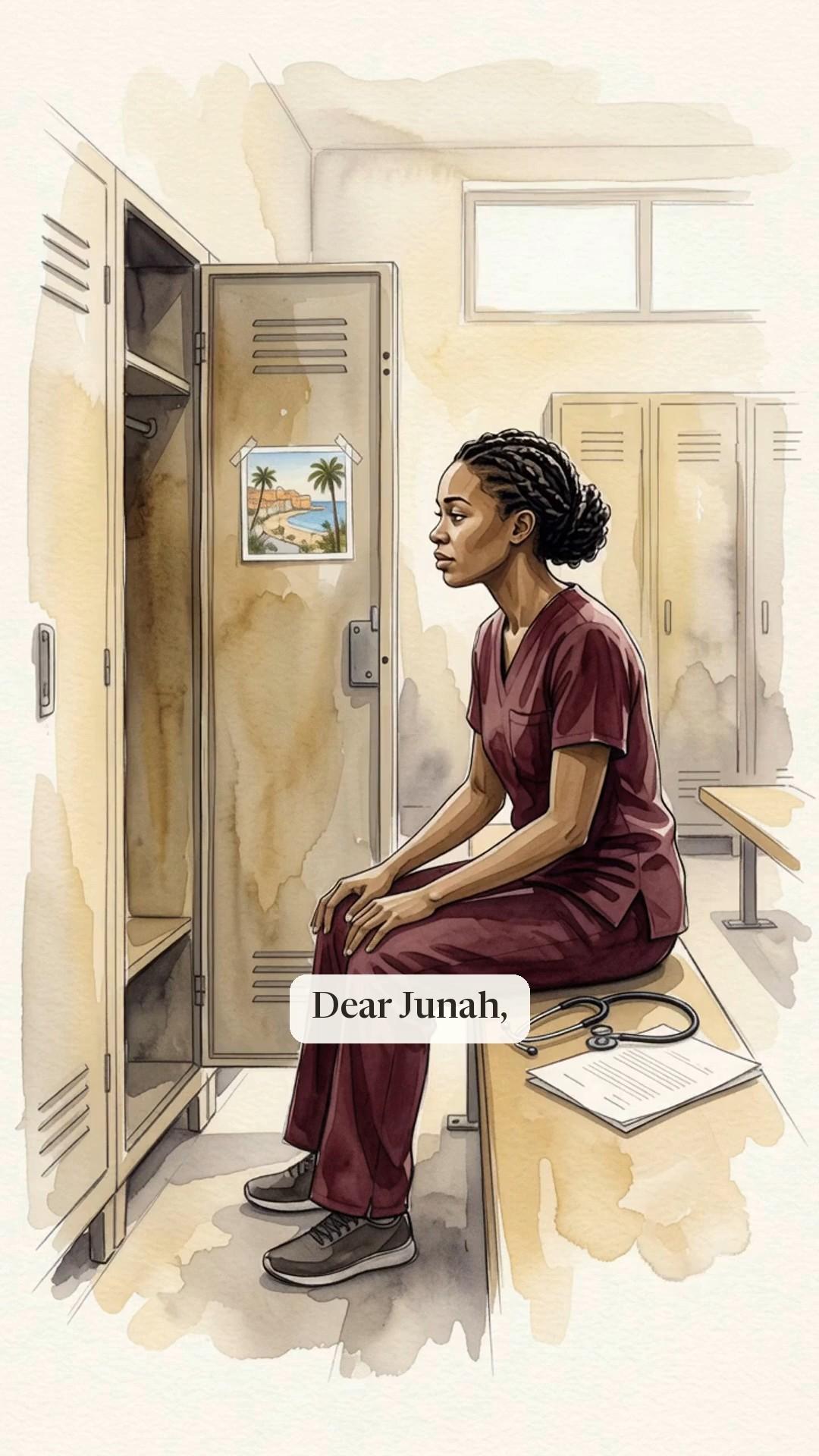
Dear Junah,
Every coffee counter now flips a tablet at me. 20%, 25% or 30% on a $6 latte, from someone who never looked up. I press no tip and feel awful. Am I cheap?
Guilt-tipping in Ann Arbor
My dear, a tip rewards service, not a screen. For a handmade drink, a dollar or two is kind. For a bottled one, nothing is owed. Spend on purpose, never on guilt.
Warm wishes, Junah
The short answer
No, choosing no gratuity at a counter is not rude, and it does not make you cheap. Only a quarter of coffee shop customers say they always or often leave one. A small amount for a handmade drink is a kindness, not a debt. Decide your own rule before you reach the counter, so the screen stops deciding for you.

By Junah Mpofu
More than 33 years in banking, including mortgage and credit lending, and a real estate portfolio of her own
Last reviewed
The question
Dear Junah,
Every coffee counter now flips a tablet at me. 20%, 25% or 30% on a $6 latte, from someone who never looked up. I press no tip and feel awful. Am I cheap?
Guilt-tipping in Ann Arbor
An illustrative letter.
The answer
My dear, you are far from the only person who walks away from a coffee counter feeling like the villain of the morning. That tablet swings around, the suggested amounts glow, the line waits behind you, and suddenly a $6 drink has become a test of character. It is not. It is a small spending decision, and you are allowed to make it calmly.
Is it rude to choose no gratuity at a coffee counter?
No. Customs around tipping have shifted quickly, and almost everyone feels the confusion. In a 2023 Pew Research Center survey, 72 percent of American adults said tipping is expected in more places than it was five years earlier, and only about a third said it is easy to know whether to leave one. Among people who buy coffee at a coffee shop, just a quarter said they always or often add a gratuity there.
So when you press the button for none, you are doing what most coffee buyers do. You are not breaking a rule. The screen simply makes a private choice feel public.
Why does the screen ask for so much?
Because payment systems make it easy to ask, and the preset amounts are chosen by the business, not by etiquette. A screen that opens at 20, 25 and 30 percent nudges people upward. That does not mean those numbers are what is expected. They are what the screen was set up to suggest.
Where does the money actually go?
Federal law says employers may not keep their workers' gratuities, so what you leave goes to the staff, not the owner. And in Michigan, employers may pay workers who receive gratuities a lower base wage, $5.49 an hour in 2026, as long as wages and gratuities together reach the full minimum of $13.73. Some baristas are paid that way and many are not, but it explains why the people behind the counter care about that button.
What does tipping cost me over a year?
Small amounts repeat. If you buy a $6 latte five days a week, adding 20 percent comes to $1.20 a cup, or about $310 a year. That is not a reason to stop being generous. It is a reason to choose your generosity on purpose, as part of your budget, rather than in a three-second panic at the register. Our Budget Planner can show where a coffee habit fits alongside everything else.
How do I set my own rule?
Decide ahead of time, once, and then stop debating it at every counter. Many people use something like this:
- Table service: a percentage of the bill, because a server's pay usually depends on it.
- A handmade drink at a counter: a modest flat amount when you want to, or none.
- A bottled drink, a pastry from a case, or a self-serve order: usually nothing.
- Exceptional care: something extra, whenever someone truly goes out of their way.
Your rule can be different from mine. What matters is that it is yours, set when you are calm, so the glowing screen loses its power.
What about all the other places that ask now?
The same screens now appear at takeout counters, self-service kiosks, bakeries and even some shops. Your rule can cover them too. One simple question helps: did a person do something for me beyond handing over what I paid for? If so, and you can afford it, a little thanks in money is kind. If not, a sincere thank you is enough.
What if money is tight this month?
Then it is tight, and that is all right. Generosity matters, but it belongs with money you can spare, not money meant for rent, groceries or the card balance. No one behind a counter wants you to go short on the essentials. When things ease, you can be more generous again.
How do I press the button without feeling awful?
Look up, smile and say thank you. Warmth costs nothing, and it is what the person behind the counter will remember. If you are a regular, you might leave a little now and then rather than every time. And remember that guilt is a poor guide to spending. It tends to push money out of our pockets for reasons we would not choose on a clearer day.
Is there another side to this?
There is, and it is worth hearing. Junah also answered a letter from a café owner in the same town, whose customers dislike these screens while his baristas rely on them. You will find it among her other letters. Seeing both sides can make that moment at the counter feel a little less personal.
You are not cheap, my dear. You are thoughtful, which is why the screen bothers you at all. Set your rule this week, and let your kindness be something you choose rather than something a tablet takes.
Your tipping rule, set once
Decide your rule before you reach the counter
Table service, counter drinks, packaged items and exceptional care.
Know that presets are only suggestions
Custom and no-gratuity options are there to be used.
Put gratuities in your monthly budget
Twenty percent on a daily $6 latte is about $310 a year.
Reward real service
Go above your usual when someone truly goes out of their way.
Be warm whatever you choose
A thank you and a smile matter to the person serving you.
Read the café owner's side
Junah answered his letter about the same screens too.
Questions people ask
Is it rude not to leave a gratuity at a coffee shop?
No. In a 2023 Pew Research Center survey, only a quarter of people who buy coffee or other drinks at a coffee shop said they always or often add a gratuity. Many people leave a small amount for handmade drinks or friendly service and nothing for simple counter purchases. Deciding your own rule in advance is a sensible way to handle it.
Why do payment screens suggest 20% or more?
The preset amounts are chosen by the business and its payment system, not by any official standard. Higher presets tend to nudge customers toward larger amounts. Many screens also offer a custom amount or a no-gratuity option, which customers can choose without any obligation.
Do coffee shop gratuities go to the baristas?
Federal law prohibits employers from keeping any portion of their employees' gratuities, whether directly or through a shared pool. In Michigan, employers may pay workers who receive gratuities a lower base wage, $5.49 an hour in 2026, as long as wages plus gratuities reach the full $13.73 minimum wage.
How much does a daily coffee gratuity add up to?
It depends on the habit. Adding 20 percent to a $6 drink five days a week costs about $1.20 a day, or roughly $310 a year. Including gratuities in your monthly budget, rather than deciding at each purchase, helps you stay generous where it matters most to you.
Three things to take away
- Most coffee buyers do not routinely leave a gratuity at the counter.
- Screen presets are set by the business, not by etiquette.
- Decide your own rule once, calmly, and stop re-deciding at every register.
One thing to do this week
Write down your own rule for counter service, table service and exceptional care, and use it at your next coffee stop.
Keep going
Know Your Financial Reality
Before you can improve your finances, you must first understand what is happening with your money today.
Fixing The Leak: The Path to Creating Wealth
Find where the money already goes before you try to earn more.
Understand Your Money Habits
Financial progress is shaped not only by numbers, but also by behavior — the actions you repeat.
An illustrative scenario for education, not personal financial, tax, legal or investment advice. Your situation will differ. About these scenarios