
Dear Junah · Scenario
TV says a reverse mortgage means tax-free cash. What's the catch?
Voices in the video are AI-generated.
Read what the video says
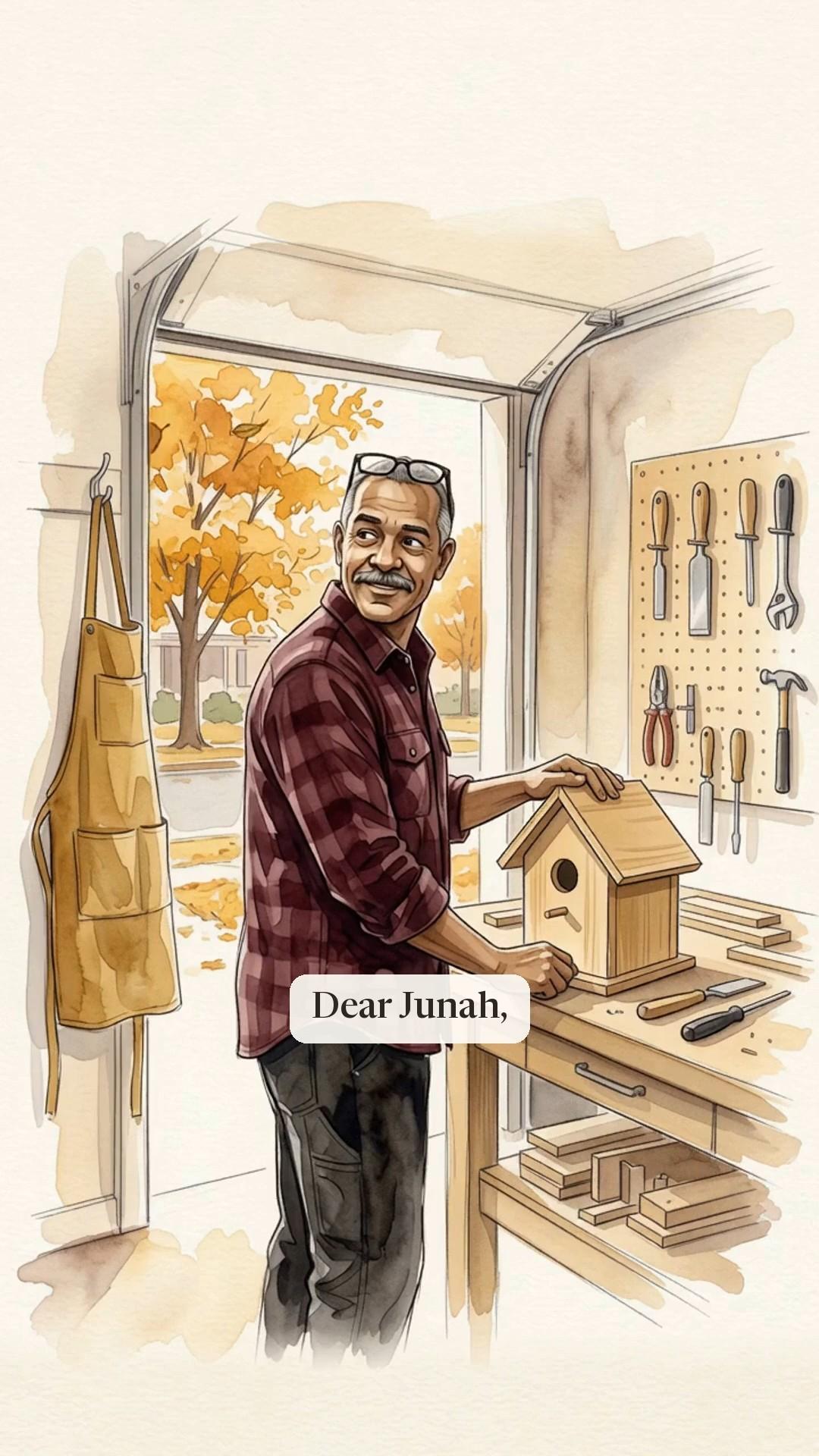
Dear Junah,
I'm 71, widowed, house paid off. TV ads say a reverse mortgage gives tax-free cash and I never lose my home. What's the catch?
Tempted by TV in Mobile
My dear, it is a loan, not a gift. You still pay taxes, insurance and upkeep, or you can lose the house. It comes due when you leave. Counseling first, always.
Warm wishes, Junah
The short answer
It is a loan, and the balance grows over time. You must keep paying property taxes, homeowners insurance and upkeep, or the lender can call the loan, which is how people lose homes. Costs include an upfront insurance charge of 2 percent and fees. The money is not taxable income, and you must see a HUD-approved counselor before you can borrow.

By Junah Mpofu
More than 33 years in banking, including mortgage and credit lending, and a real estate portfolio of her own
Last reviewed
The question
Dear Junah,
I'm 71, widowed, house paid off. TV ads say a reverse mortgage gives tax-free cash and I never lose my home. What's the catch?
Tempted by TV in Mobile
An illustrative letter.
The answer
My dear, I spent my career in mortgage lending, so let me tell you plainly what those cheerful ads leave out. A reverse mortgage can be a useful tool for some people. But it is not free money, and it is not a government benefit. It is a loan against your home, and the details matter enormously.
How does a reverse mortgage work?
The most common kind is the Home Equity Conversion Mortgage, insured by the federal government through HUD. It lets homeowners aged 62 or older borrow against their home's value without making monthly loan payments. You can take the money as a lump sum, monthly payments, a line of credit or a mix. Instead of shrinking as with an ordinary mortgage, the balance grows each month as interest and insurance charges are added.
Generally, the loan is repaid when the last borrower dies, sells the home or moves out, including a move to a care facility for more than a year. The home is usually sold to repay it.
Is the money really tax-free?
Generally yes. Because it is a loan, the money is not counted as taxable income, and according to the Federal Trade Commission, it usually does not affect Social Security or Medicare. It can affect benefits that depend on your income and savings, such as Medicaid, if the money builds up in your accounts. Ask the counselor how it would apply to you.
Can I really lose my home?
Yes, and this is the most important thing the ads leave out. A government study of reverse mortgage advertisements found that many viewers came away believing they could never lose their home. That is a misimpression. You keep the title, but the loan comes with obligations. You must keep paying property taxes and homeowners insurance, keep the home in good repair, and live there as your main home. If you fall behind on taxes or insurance, the lender can call the loan due, and homes have been lost this way.
Living on the Gulf Coast, that insurance obligation deserves special thought. Homeowners insurance costs can rise sharply after storms, and you would need to keep paying them for as long as you have the loan.
What does it cost?
More than many people expect. For a HUD-insured reverse mortgage:
- An upfront mortgage insurance charge of 2 percent of the home's value, up to the 2026 lending limit of $1,249,125.
- An annual mortgage insurance charge of 0.5 percent of the balance, added each year on top of interest.
- An origination fee of up to $6,000, plus closing costs.
The FTC notes that these costs can be higher than other ways of borrowing against a home, such as a home equity loan or line of credit. Because they are usually added to the loan, they grow along with it.
What happens to my children?
When the loan comes due, your heirs can repay it and keep the home, or sell it. Most reverse mortgages are non-recourse, which means neither you nor your estate can owe more than the home is worth when it is sold. Your children would not inherit a debt beyond the house, but they would likely inherit less of the house than if there were no loan.
Why is counseling required?
Because the decision is so important. Before you can take out a HUD-insured reverse mortgage, you must meet with a counselor from a HUD-approved agency, who is independent of the lender. Use that session well. Ask what you would receive, what it would cost over time, what happens if you need to move, and what other options you have. Bring a family member or trusted friend if you like.
What are the alternatives?
Depending on what you need the money for, other options may cost less: a home equity loan or line of credit if you can manage payments, downsizing to a smaller home, local or state property tax relief for older homeowners, or programs that help seniors with repairs or utilities. Your local Area Agency on Aging can tell you what exists near you.
Who should I be wary of?
The FTC warns that some salespeople rush borrowers or push them to buy other financial products, such as annuities, with the money. Take your time, and never let anyone pressure you into signing.
Your house is paid off, my dear, which is a real accomplishment. Before you borrow against it, sit down with a counselor, ask every question, and decide only when you understand exactly what you are trading.
Before you sign for a reverse mortgage
Meet a HUD-approved counselor
Required, and independent of the lender. Bring someone you trust.
Ask what you would receive and owe over time
The balance grows as interest and insurance are added.
Budget for taxes, insurance and repairs
Falling behind can make the loan due.
Get every cost in writing
The 2 percent upfront charge, 0.5 percent a year, origination and closing costs.
Ask what happens if you move
A move to care for more than a year can make the loan due.
Compare alternatives
A home equity line, downsizing, property tax relief or repair programs.
Refuse pressure to buy other products
The FTC warns about sales of annuities with loan money.
Questions people ask
What is the catch with a reverse mortgage?
It is a loan whose balance grows over time as interest and insurance charges are added. You must keep paying property taxes, homeowners insurance and maintenance and live in the home, or the lender can call the loan due. Costs include a 2 percent upfront mortgage insurance premium, a 0.5 percent annual premium, an origination fee of up to $6,000 and closing costs.
Can you lose your home with a reverse mortgage?
Yes. Borrowers keep the title, but the loan is secured by the home. If you fail to pay property taxes or homeowners insurance, do not maintain the property, or no longer live there as your main home, the loan can become due and the home may be sold. A CFPB study found many ads left viewers wrongly believing they could never lose their home.
Is reverse mortgage money taxable?
Generally no. Because it is a loan, reverse mortgage money is not treated as taxable income, and according to the FTC it usually does not affect Social Security or Medicare. It can affect need-based benefits such as Medicaid if the money accumulates in your accounts, so it is worth asking a HUD-approved counselor about your situation.
Do my heirs have to pay back a reverse mortgage?
When the loan comes due, heirs can repay it to keep the home or sell the home to repay it. Most reverse mortgages are non-recourse, meaning the borrower and their estate cannot owe more than the home's value when it is sold. Heirs will not inherit debt beyond the home, but they usually inherit less equity.
Three things to take away
- A reverse mortgage is a loan whose balance grows, not a government benefit.
- Miss property taxes, insurance or upkeep, and the lender can call the loan.
- Costs include a 2% upfront charge and fees; HUD-approved counseling comes first.
One thing to do this week
Find a HUD-approved reverse mortgage counselor and write down your questions about costs, moving and your other options before you call.
Keep going

Discover the Wealth You Already Have
Your retirement wealth may be much broader than the balance shown on a bank or investment statement.
Building Property Equity: Why Equity Is Wealth, Not Cash
When the same property that builds wealth can also become a financial trap.
Reduce Financial Pressure Before Retirement
Retirement planning is not only about increasing assets. It is also about reducing financial pressure.
The next question
An illustrative scenario for education, not personal financial, tax, legal or investment advice. Your situation will differ. About these scenarios