
Dear Junah · Scenario
My mother is 89 in Lusaka. Bring her here, or pay for care there?
Voices in the video are AI-generated.
Read what the video says
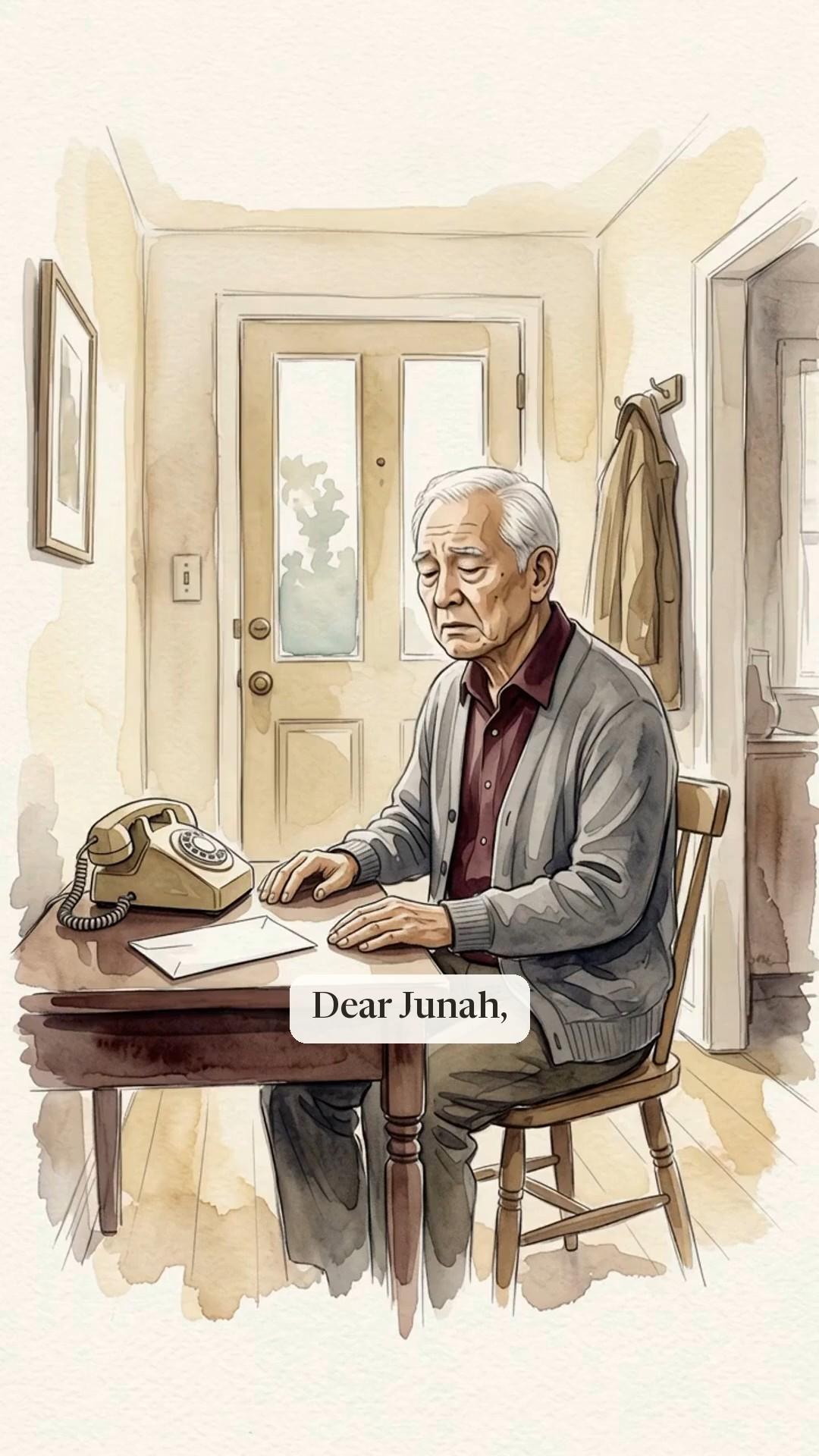
Dear Junah,
I'm 63 and retiring next year. My mother is 89 in Lusaka and can't manage alone. My sisters say bring her here. A caregiver there costs far less, but guilt keeps me awake. What's right?
Sleepless in Laurel
My dear, love is not measured in miles. Care here is costly, and public coverage can take years. Care there costs less, but you watch from afar. Weigh both. The choice is yours.
Warm wishes, Junah
The short answer
There are two good paths, and the choice is yours. Bringing her here keeps her near you, but means sponsoring her, promising to support her, and covering her health care for years, since a new green card holder usually waits five years to buy into Medicare. Care at home in Lusaka can cost far less and keep her near her church and friends, but you oversee it from far away.

By Junah Mpofu
More than 33 years in banking, including mortgage and credit lending, and a real estate portfolio of her own
Last reviewed
The question
Dear Junah,
I'm 63 and retiring next year. My mother is 89 in Lusaka and can't manage alone. My sisters say bring her here. A caregiver there costs far less, but guilt keeps me awake. What's right?
Sleepless in Laurel
An illustrative letter.
The answer
My dear, I was born in Zambia, and I know the pull you feel. Lusaka is not just a city on a map. It is the jacaranda trees in October, the church your mother has walked to for decades, the neighbors who know her name. And I know the guilt that wakes children of aging parents at three in the morning, when an ocean lies between them and the person who once held them.
Let me say first that there is no wrong answer here born of love. Both paths can be good ones, and each asks something different of you. My part is to set them side by side as plainly as I can. The choosing is yours.
What would bringing her here involve?
There is real comfort in this path. She would be near her daughters and her grandchildren, and you would see her care with your own eyes rather than through a phone screen. If you are a U.S. citizen aged 21 or older, you can petition for your mother as an immediate relative, which avoids the long waits other family categories face. But the paperwork is only the beginning.
- A promise of support. You would sign an affidavit of support, accepting legal responsibility for supporting her, generally until she becomes a citizen or is credited with 40 quarters of work. If she received certain public benefits, the agency could ask you to repay them.
- Health coverage. A new green card holder generally must live in the United States for five continuous years before she can buy into Medicare. Even then, without her own U.S. work record, Part A would cost $565 a month in 2026, plus $202.90 for Part B. Most new green card holders also wait five years for Medicaid. Marketplace coverage may be possible in the meantime, but at 89 the medical costs alone can be enormous.
- Daily care. Someone would still need to look after her here, and paid care in the United States is among the most expensive in the world. If it falls to you, your own retirement plans change.
- The move itself. A long journey at 89, and a new climate, new food and a new church at the end of it. Some parents settle happily near family. Others grieve quietly for the home they left.
What would care at home in Lusaka involve?
This path has its own comfort. A trusted caregiver in her own home usually costs far less than care in America, and it lets her keep her routine, her church and her friends. The challenge is not the cost. It is oversight from far away.
- Someone you trust on the ground. A relative, a church elder or a family friend who visits regularly and reports honestly.
- A clear agreement with the caregiver. Duties, hours, pay, days off and what happens in an emergency, written down.
- A doctor who knows her. Regular check-ups, and a plan for which hospital she goes to if something happens.
- Regular contact. Scheduled video calls, and visits from you and your sisters, taking turns, to see with your own eyes.
How do I send money for her care?
Steadily, and in a way you can track. Since January 2026, a 1 percent federal tax applies to money sent abroad when you pay the transfer company in cash, by money order or by cashier's check. Transfers paid from a U.S. bank account or with a U.S. debit or credit card are not taxed. A regular monthly transfer from your bank, with receipts kept, makes the cost predictable for you and the support predictable for her.
How do my sisters and I share this?
Hold a family conversation with real numbers, and ask the same questions of both paths. If she came here, who would look after her each day, and who would pay for her health coverage in those first five years? If she stays, who would watch over her care, who would visit, and how often? Who can give money, who can give time, and who can travel? Write down what you agree, so no one carries resentment quietly.
How do I protect my own retirement?
You retire next year, and your own security matters too. Whichever path you choose, set a monthly amount for your mother's care that your retirement budget can sustain for years, not months, because she may live a long time, and I hope she does. Keep your own emergency fund separate. A daughter who runs out of money at 70 can no longer help anyone.
How do I choose between the two?
Put the two paths on one page, side by side, and weigh them honestly:
- Her health. Whether she can make the journey, and what care she needs each day.
- Her life there. How much of her happiness lives in her home, her church and her friends.
- Your life here. What you can give in money, time and travel once you retire, year after year.
- The full cost of each path, priced for years rather than months.
No one else can weigh these for you, not your sisters, and not me. You know your mother, and you know what you can carry.
What about the guilt?
Guilt will find you whichever way you choose. If she stays, it says you are not there every day. If she comes, it says you took her from her home. But care is not only presence, and it is not only distance. It is a caregiver who is paid on time, a doctor who is consulted, a daughter who calls every Sunday or sits beside her in the evening, and sisters who share the load. That is love, on whichever side of the ocean it lives.
Weigh both paths, my dear, with your sisters at your side, and then make your choice with a quiet heart. Whatever you decide, she will know she was not forgotten.
Comparing the two paths
Write both paths side by side
On one page: the money, the time and the travel each would ask of you.
Price care in Lusaka
Caregiver wages, food, medicine, doctor visits and household costs each month.
Price care here
Health coverage for five years before Medicare, medicines, daily care and housing.
Understand the affidavit of support
A legal promise to support her, usually until citizenship or 40 quarters of work.
Weigh her health and her ties to home
Whether she can make the journey, and what she would leave behind.
Plan oversight in Lusaka if she stays
A trusted person who visits, a written caregiver agreement and a doctor who knows her.
Send money from a bank account
Cash-funded transfers carry a 1 percent tax since January 2026; bank-funded ones do not.
Agree the split with your sisters in writing
Who gives money, who gives time and who travels when.
Set a monthly amount your retirement can sustain
For years, not months, with your own emergency fund kept apart.
Questions people ask
Should I bring my elderly parent to the US or pay for care back home?
There is no single right answer. Bringing a parent here keeps them near family, but the sponsor signs a legal promise of support, and a new green card holder generally waits five years before buying into Medicare, so health costs can be high. Care in the home country often costs far less and keeps a parent near their community, but it needs trusted oversight from far away. Families weigh health, cost and what each person can give.
Can I bring my elderly parent to the US?
A US citizen aged 21 or older can petition for a parent as an immediate relative, which avoids the waiting lines in other family categories. The sponsor must sign an affidavit of support, accepting legal responsibility to support the parent, generally until the parent becomes a citizen or is credited with 40 quarters of work. An immigration attorney can explain the process and timing.
Can my immigrant parent get Medicare?
A lawful permanent resident generally must live in the US for five continuous years before enrolling in Medicare. Without enough US work history, they pay premiums for Part A, $565 a month in 2026 for those with fewer than 30 quarters, plus the Part B premium of $202.90. Marketplace coverage may be available before then, but costs can be high.
What does an affidavit of support mean for the sponsor?
By signing Form I-864, the sponsor accepts legal responsibility for financially supporting the immigrant, generally until they become a US citizen or are credited with 40 qualifying quarters of work. If the sponsored person receives certain means-tested public benefits, the agency may seek reimbursement from the sponsor. Divorce does not end the obligation.
Is there a tax on sending money to family abroad?
Since January 1, 2026, a 1 percent federal excise tax applies to remittances when the sender pays the transfer provider with cash, a money order, a cashier's check or a similar physical instrument. Transfers funded from an account at a US financial institution, or with a US-issued debit or credit card, are not subject to the tax.
Three things to take away
- Both paths are love: one keeps her near you, the other keeps her in her own home.
- Bringing her means a support promise and about five years before she can buy Medicare.
- Care in Lusaka works with trusted oversight, a written agreement and regular visits.
One thing to do this week
Write both paths side by side on one page, with what each would cost every month in money, time and travel.
Keep going

Discover the Wealth You Already Have
Your retirement wealth may be much broader than the balance shown on a bank or investment statement.

Securing and Preserving Generational Wealth
Nine pillars for protecting wealth, preparing heirs, and leaving a legacy that outlives the wealth creator.
Build Your Retirement Income System
In retirement, one paycheck becomes several income sources. The goal is to make them work together.
The next question
An illustrative scenario for education, not personal financial, tax, legal or investment advice. Your situation will differ. About these scenarios