
Dear Junah · Scenario
I've lost $4,000 on sports betting and I'm hiding it. How do I stop?
Voices in the video are AI-generated.
Read what the video says
Dear Junah,
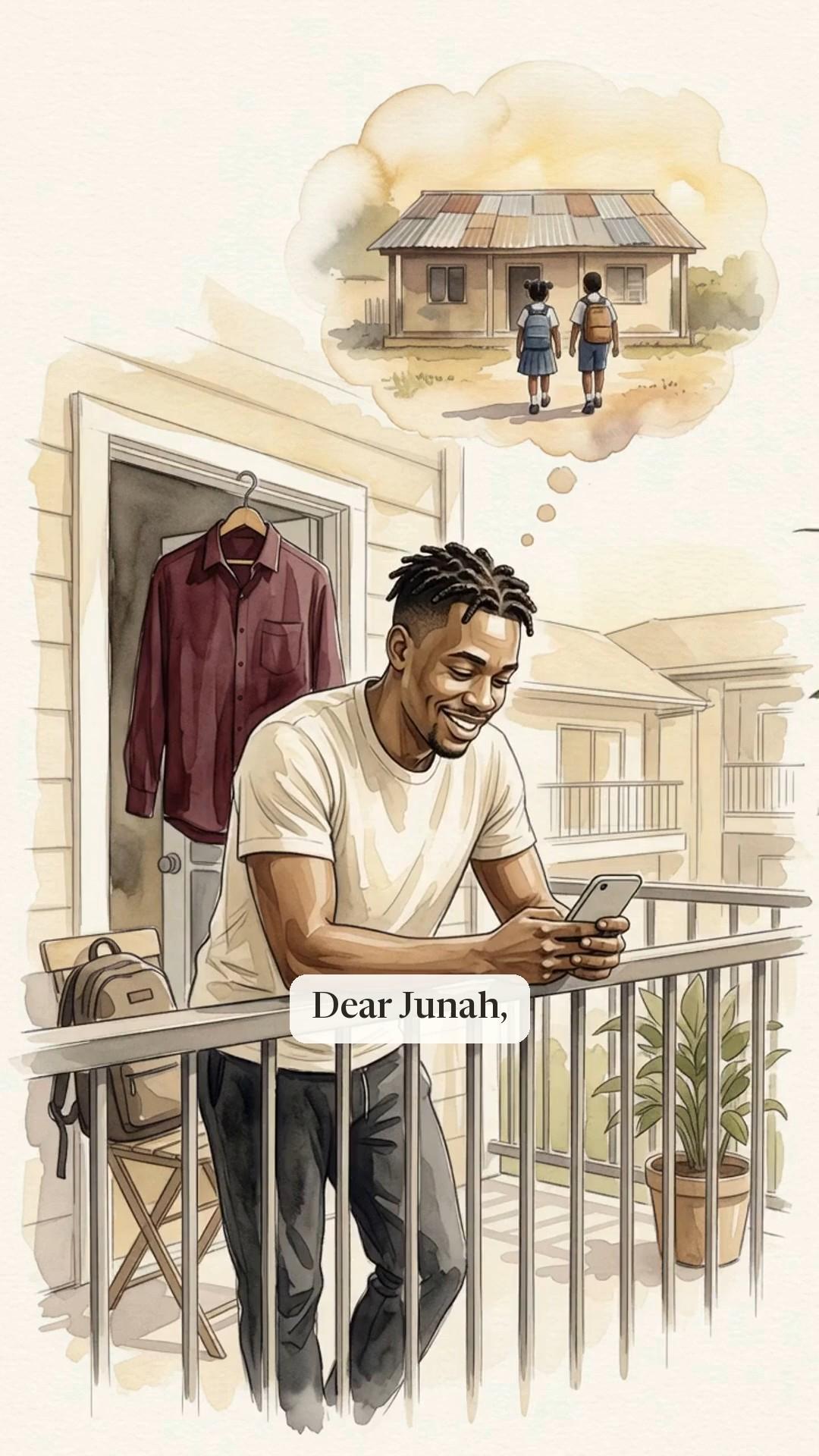
I'm 24. Sports betting started as fun with friends. This year I've lost about $4,000, I put rent on my card to keep playing, and I hide it from my girlfriend. How do I stop?
Losing streak in Baton Rouge
My dear, the bravest bet you can make is telling someone. Set limits or exclude yourself on every app, and call a gambling helpline. Losses chased are losses doubled.
Warm wishes, Junah
The short answer
Start by telling one person and calling the free National Problem Gambling Helpline at 1-800-MY-RESET. Then make betting harder: join Louisiana's self-exclusion list, set every account's limits to the lowest they go and delete the apps. Stop trying to win the $4,000 back. List what you owe, put rent first, then make a plan for the card.

By Junah Mpofu
More than 33 years in banking, including mortgage and credit lending, and a real estate portfolio of her own
Last reviewed
The question
Dear Junah,
I'm 24. Sports betting started as fun with friends. This year I've lost about $4,000, I put rent on my card to keep playing, and I hide it from my girlfriend. How do I stop?
Losing streak in Baton Rouge
An illustrative letter.
The answer
My dear, thank you for writing this down. I suspect it took more courage than any wager you have placed this year. Shame grows best in the dark, and you have just let some light in. You are not foolish and you are not alone. Betting now sits on the same phone as your messages and your bank, a tap away at any hour, and a great many young men have found themselves exactly where you are tonight.
How do I know betting has become a problem?
You have already named the signs yourself. Something that began as a shared pastime now happens alone. You have lost money you cannot spare, you borrowed against your rent to keep going, and you are keeping it secret from the person closest to you. Chasing losses, borrowing to bet and hiding it are three of the clearest warning signs counselors look for. None of them makes you a bad person. They mean the habit has started making decisions for you, and it is time to take those decisions back.
Who can I talk to tonight?
Call or text 1-800-MY-RESET, the National Problem Gambling Helpline. It is free, confidential and open around the clock, and you can chat online at 1800myreset.org if speaking out loud feels too hard. The person who answers will not lecture you. They can connect you with counseling in Louisiana, much of it free, and with support groups such as Gamblers Anonymous, where you will meet people who have stood exactly where you stand.
Then there is your girlfriend. I know that conversation frightens you more than the debt. But money secrets grow more expensive the longer they are kept, and it is usually the hiding, more than the losing, that wounds trust. You might say it plainly: "I have a gambling problem. I have lost about four thousand dollars and I used my card for rent. I am getting help, and I want you to know." She may be hurt. She may also be relieved to finally understand what she has been sensing. Partners and families have their own support groups too, such as Gam-Anon.
How do I make betting harder to do?
Willpower is a poor lock. Put real barriers in the way instead.
- Join the state's list. The Louisiana Gaming Control Board runs a self-exclusion program that covers sports betting platforms as well as casinos. Once you are on it, you agree not to place bets, and licensed operators are expected to turn you away.
- Lock each account. Licensed betting apps let you set deposit limits, take a time-out or close your account. Set every limit to the lowest it goes, then delete the apps from your phone.
- Ask your bank. Some banks and card companies can block payments to gambling sites. Ask whether yours can.
- Hand over the keys for a while. Some people ask someone they trust to hold their cards or look over their statements for the first few months.
What do I do about the money I have lost?
The $4,000 is gone, and trying to win it back is the surest way to lose more. That is the hardest truth in gambling and also the most freeing one, because it means you can stop chasing and start rebuilding.
Begin with an honest list: the card balance, the rent you owe, and anything borrowed from friends. Put the rent first, because a roof matters more than a credit score. Then turn to the card. Card interest often runs above 20 percent a year, so a balance left to sit grows quickly. Our Debt Payoff Planner shows how long your balance will take to clear at the payment you can manage, and how much sooner it goes if you add even a little each month. If the payments feel impossible, a nonprofit credit counselor can go through your budget with you at little or no cost.
It can also help to cut off the money that feeds the habit. Some people have their paycheck paid into an account with no card attached for a while, keeping only the week's spending money within easy reach.
What if I slip?
Many people do. A slip is not proof that you cannot change. It is information about what pulled you back: a big game, payday, a bad week at work, a group chat full of picks. Write it down, tell your counselor or your girlfriend, and begin again the next morning. Recovery is built from ordinary days strung together, not from one perfect promise.
How do I fill the space betting used to fill?
Betting also gave you excitement, company and something to do during the game. Leave that space empty and the old habit will rush back in. Watch with friends who know you have stopped. Find a sport to play rather than wager on. Put the money you would have staked toward the card and watch that balance fall instead. That is a scoreboard worth following.
You are 24, my dear. This is a hard chapter, not the whole story. The man who asked for help at 24 will be very glad, at 34, that he did.
Your first week off the betting apps
Tell one person today
Your girlfriend, a friend or a counselor. Saying it out loud takes away much of its power.
Call or text 1-800-MY-RESET
Free, confidential and open around the clock. Online chat is at 1800myreset.org.
Join Louisiana's self-exclusion program
The Louisiana Gaming Control Board's program covers sports betting platforms as well as casinos.
Set every account's limits to the lowest, then close it
Deposit limits, time-outs and account closure are built into licensed apps. Delete the apps afterwards.
Ask your bank about blocking gambling payments
Some banks and card companies can stop card payments to betting sites.
Write down everything you owe
The card balance, any rent still due, and money borrowed from friends.
Pay rent first, then plan the card
Use the Debt Payoff Planner to see how long the card balance takes at the payment you can manage.
Go to one support meeting
Gamblers Anonymous meets in person and online. Gam-Anon offers meetings for partners and family.
Questions people ask
How do I stop sports betting when I keep chasing my losses?
Accept that the money already lost is gone, because trying to win it back usually deepens the hole. Then put barriers in place: join your state's self-exclusion program, set deposit limits to the minimum or close your betting accounts, delete the apps, and ask your bank whether it can block gambling payments. Talking to a counselor through the National Problem Gambling Helpline, 1-800-MY-RESET, gives you support while new habits take hold.
What is the national problem gambling helpline number?
The National Problem Gambling Helpline is 1-800-MY-RESET (1-800-697-3738). You can call or text it, or chat online at 1800myreset.org. It is free, confidential and open 24 hours a day, and it connects you with help in your own state. The older number, 1-800-522-4700, still works as well.
How do I self-exclude from sports betting in Louisiana?
The Louisiana Gaming Control Board runs a voluntary self-exclusion program that covers sports wagering platforms as well as casino gaming. You fill in a request form and agree not to gamble or place bets for the period of your exclusion, and licensed operators are expected to refuse your wagers. The Board's website has the current form, the instructions and the terms.
Should I tell my partner about my gambling debt?
Counselors generally encourage it. Hidden money problems tend to grow, and the secrecy often damages trust more than the losses themselves. Choose a calm moment, say what has happened and how much you owe, and explain what you are doing to get help. Support groups such as Gam-Anon exist for partners and family members who want help of their own.
How do I pay off credit card debt from gambling?
List every debt first, and keep rent and other essentials paid before anything else. Then choose a monthly payment for the card that you can keep up, and add any money you would have bet. Because card interest is often above 20 percent a year, paying more than the minimum makes a large difference. A debt payoff calculator shows your finish date, and a nonprofit credit counselor can help if the payments feel out of reach.
Three things to take away
- Chasing losses, borrowing to bet and secrecy are signs the habit is in charge.
- Put barriers in the way: self-exclusion, the lowest limits, and no betting apps.
- The money lost is gone. List what you owe, pay rent first, then clear the card.
One thing to do this week
Call or text 1-800-MY-RESET, then sit down with your girlfriend and tell her the truth, with what you owe written on paper.
Keep going
Fixing The Leak: The Path to Creating Wealth
Find where the money already goes before you try to earn more.
Debt Management Builds Future Freedom
How you manage debt determines whether borrowing supports your future or limits it — and why debt management builds future freedom.
Understand Your Money Habits
Financial progress is shaped not only by numbers, but also by behavior — the actions you repeat.
An illustrative scenario for education, not personal financial, tax, legal or investment advice. Your situation will differ. About these scenarios