
Dear Junah · Scenario
Our house is paid off but our savings are thin. Do we sell or stay?
Voices in the video are AI-generated.
Read what the video says
Dear Junah,
Our house is paid off and worth about $400,000, but our savings are thin and the roof needs replacing. Do we sell and downsize, or stay where we raised our kids?
Rooted in Richmond
My dear, a paid-off house is wealth, but not cash. Compare the cost of staying, roof and taxes included, with the cost of moving. Either way, keep a cushion you can reach.
Warm wishes, Junah
The short answer
A paid-off house is real wealth, but you cannot pay a bill with it. Add up the true cost of staying, including the roof, other repairs, taxes and insurance, and compare it with the full cost of moving, including selling costs and the next home. Whichever you choose, keep an emergency cushion you can reach within days.

By Junah Mpofu
More than 33 years in banking, including mortgage and credit lending, and a real estate portfolio of her own
Last reviewed
The question
Dear Junah,
Our house is paid off and worth about $400,000, but our savings are thin and the roof needs replacing. Do we sell and downsize, or stay where we raised our kids?
Rooted in Richmond
An illustrative letter.
The answer
My dear, paying off your home is one of the finest things a family can do, and you did it. It means no landlord and no lender can take it from you. But a house is a strange kind of wealth. It shelters you, it may have grown in value, and still it cannot pay for a roof. That is the knot you are trying to untie, and it can be untied calmly, with numbers on paper.
Why does a paid-off house feel like wealth but not money?
Because the value is locked in the walls. You can only reach it by selling, by borrowing against it, or by passing it on. Meanwhile, the house keeps costing money every year: property taxes, insurance, utilities and upkeep, whether your savings are full or thin.
What does staying really cost?
Start with the roof. Get at least three written quotes, so you know the real figure, not a guess. Then think about what else may need replacing in the next five to ten years: the furnace, the water heater, windows, plumbing. Older homes rarely need just one thing.
Add the yearly running costs: property taxes, insurance, utilities and ordinary upkeep. A common rule of thumb is to expect upkeep of 1 to 2 percent of a home's value each year. On a $400,000 house, that is $4,000 to $8,000 a year, though every house is different. Write it all down. That is the true cost of staying.
What does moving really cost?
Selling a home has its own costs: an agent's commission, closing costs, any repairs needed to sell and the move itself. Then the next home has a price, closing costs of its own and possibly monthly association fees for a condo or community.
Here is an illustration only. Say you sell for $400,000 and selling costs come to $30,000. You buy a smaller place for $280,000. That would free about $90,000 for your savings, before moving costs. Your own numbers will differ, so ask a local agent what your house would really sell for, and look at what smaller homes nearby actually cost.
Most people who sell their main home owe no federal tax on the gain: married couples filing jointly can generally exclude up to $500,000 of gain, and single people up to $250,000, if they owned and lived in the home for at least two of the last five years. A CPA can tell you how this applies to you.
If we stay, how do we pay for the roof?
There are several ways, each with trade-offs:
- Savings. Simplest, if it does not leave you without an emergency cushion.
- A home equity loan or line of credit. It borrows against your house, but it needs monthly payments from a fixed income, so be sure the payments fit.
- A reverse mortgage. For homeowners 62 and older, it lets you borrow against your home with no monthly loan payments; the loan is repaid when you sell, move out or pass away. The costs can be high, you must keep paying taxes, insurance and upkeep, and you must speak with an approved counselor before you can get one.
- Local help. Many cities and counties offer property tax relief for older homeowners with modest incomes, and some communities have home repair programs for seniors. Ask your local office on aging what is available.
If we move, what should we look for?
A home you can grow older in: fewer stairs, less to maintain, close to family, doctors and shops. Make sure the move leaves real money in your savings, not just a smaller house with the same thin cushion.
What about the memories?
They matter, and nobody should pretend otherwise. This is where you raised your children. But memories do not live in the walls. They come with you. If you do decide to move, a last family gathering in the house can be a fitting goodbye. And if you decide to stay, that is a good choice too, as long as you have a plan for the roof and the cushion.
How much cushion do we need?
Whatever you choose, keep an emergency fund you can reach within a few days, ideally several months of your essential costs, in an insured savings account. A house cannot be sold in a week, and you do not want to borrow at a bad moment because a furnace failed in January.
How do we decide?
Put both choices side by side on one page, over the next five to ten years: the cost of staying, the cost of moving and what each leaves in your savings. Be honest about your health, too, and whether the stairs and the yard will still suit you in ten years. Talk it over with your children, and if it helps, with a fee-only financial planner.
Your home has given you security for many years. Now let it give you some peace of mind too, whichever way you choose.
Stay or sell: what to add up
Roof quotes
At least three, in writing.
Repairs in the next five years
Furnace, water heater, windows, plumbing: whatever is aging.
The yearly cost of staying
Property taxes, insurance, utilities and upkeep.
What the house would sell for
A local agent's estimate, less selling and moving costs.
The cost of the next home
Its price, closing costs and any monthly association fees.
Local help for older homeowners
Property tax relief or repair programs, from your city, county or office on aging.
Your emergency cushion
Several months of essential costs, in a savings account you can reach in days.
The house in ten years
Stairs, the yard and the distance to family and doctors.
Questions people ask
Is it better to downsize in retirement or stay in a paid-off house?
It depends on the full cost of each. Staying means paying for repairs, property taxes, insurance, utilities and upkeep. Moving means selling costs, moving costs and the price of the next home. Compare both over the next five to ten years, along with what each leaves in your savings, your health and how well the house will suit you as you grow older.
Do you pay tax when you sell your home in retirement?
Often not. If you owned and lived in the home as your main residence for at least two of the five years before selling, you can generally exclude up to $250,000 of gain from income, or up to $500,000 if you are married and file jointly. Gains above that may be taxed, and the sale may still need to be reported. A CPA can tell you how the rules apply to you.
What is a reverse mortgage?
It is a loan for homeowners aged 62 and older that lets you borrow against your home's value without monthly loan payments. The loan is repaid, usually from the sale of the home, when you sell, move out for good or pass away. You must keep paying property taxes, insurance and upkeep. Costs can be high, and federally insured reverse mortgages require a session with an approved counselor first.
How can retirees pay for a big home repair like a new roof?
Get several written quotes first. Then weigh the options: savings, if they leave an emergency cushion; a home equity loan or line of credit, if the monthly payments fit your income; or a reverse mortgage, which has no monthly payments but higher costs. Many communities also offer property tax relief or repair programs for older homeowners, so ask your local office on aging.
Three things to take away
- A paid-off house is wealth, but it cannot pay a bill.
- Compare the true cost of staying with the full cost of moving, side by side.
- Whatever you choose, keep a cushion you can reach within days.
One thing to do this week
Get three written quotes for the roof, and list every other repair the house may need in the next five years.
Keep going

Discover the Wealth You Already Have
Your retirement wealth may be much broader than the balance shown on a bank or investment statement.
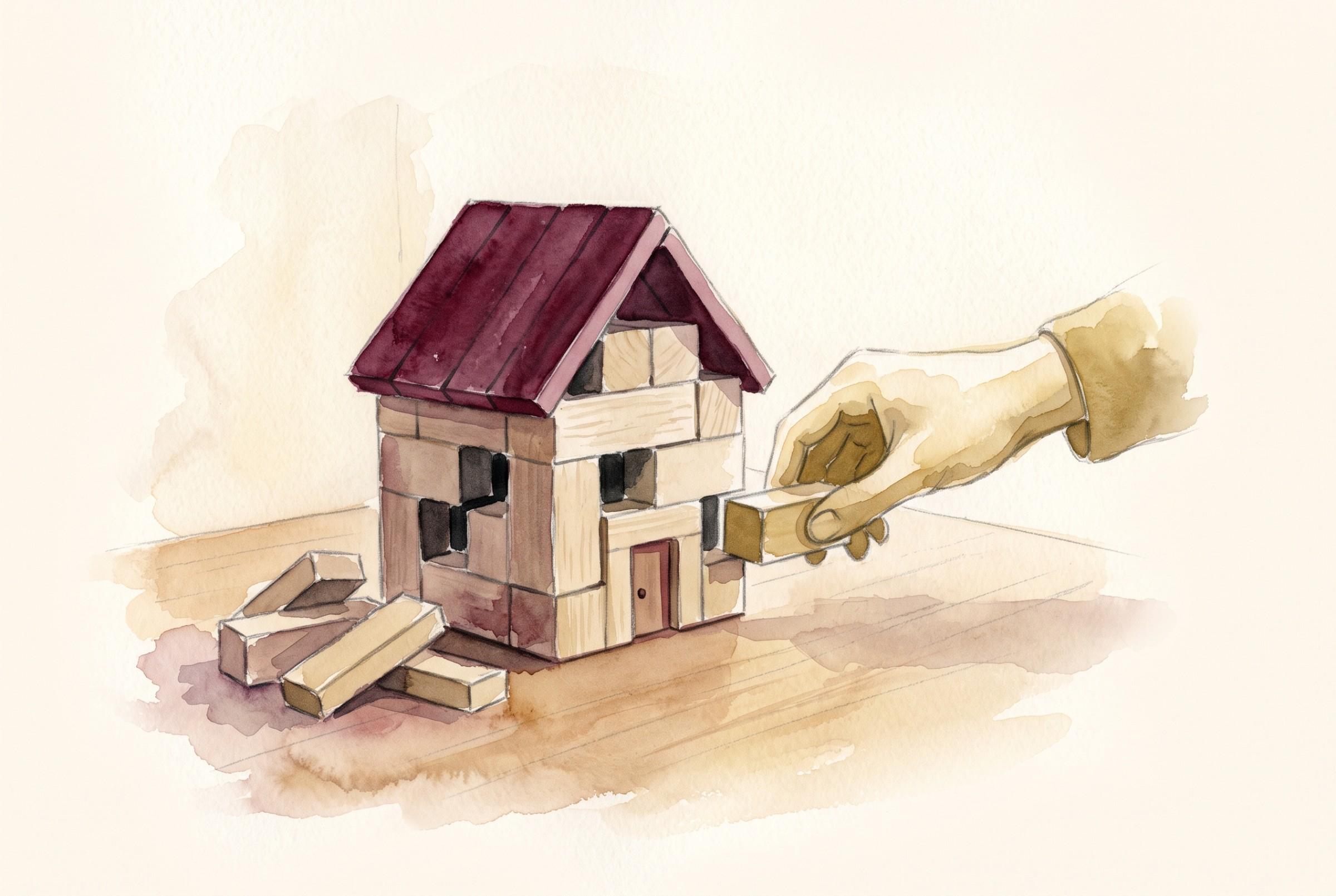
Building Property Equity: Why Equity Is Wealth, Not Cash
When the same property that builds wealth can also become a financial trap.
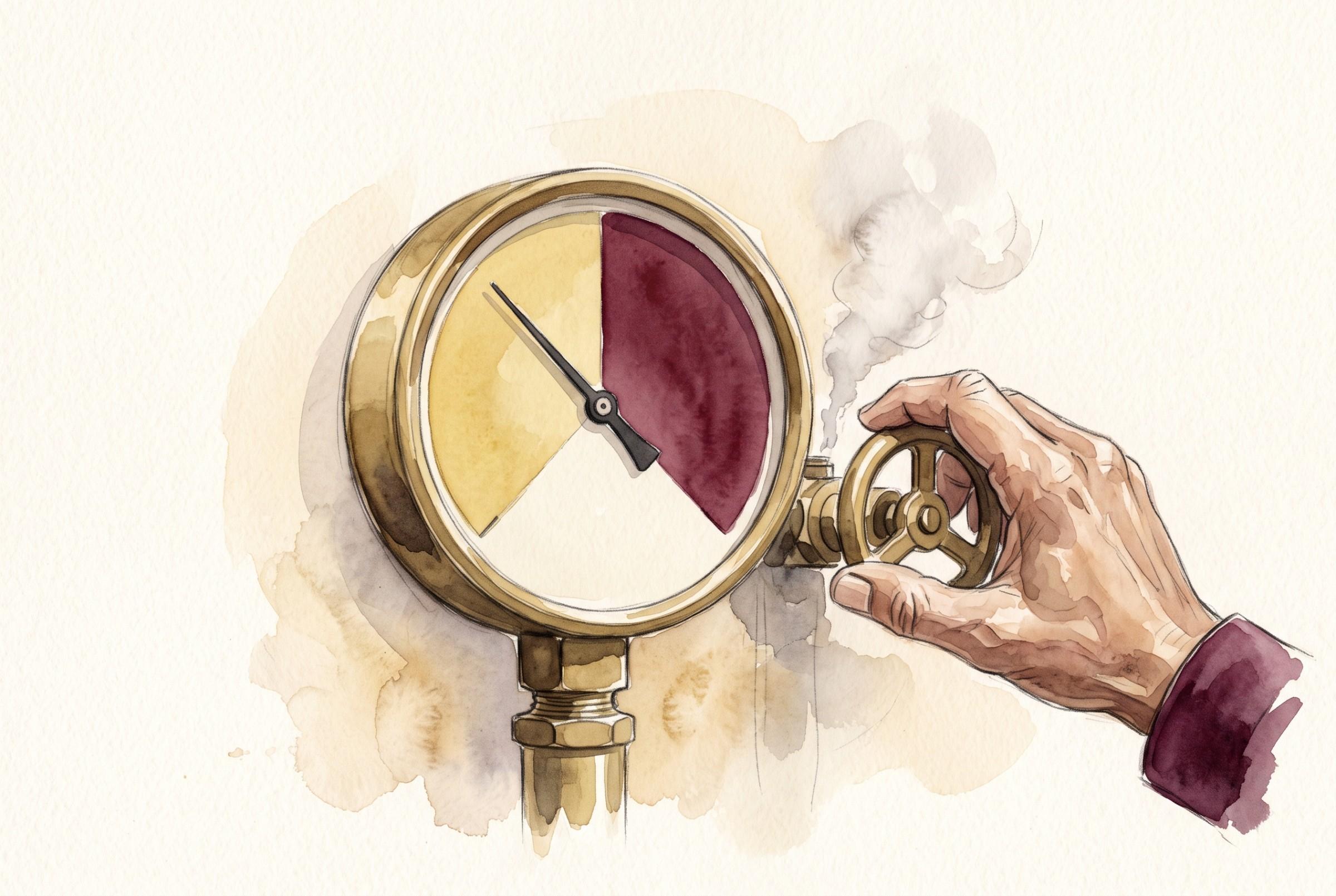
Reduce Financial Pressure Before Retirement
Retirement planning is not only about increasing assets. It is also about reducing financial pressure.

An illustrative scenario for education, not personal financial, tax, legal or investment advice. Your situation will differ. About these scenarios