
Dear Junah · Scenario
I keep $8,000 in a shoebox because banks failed back home. Am I crazy?
Voices in the video are AI-generated.
Read what the video says
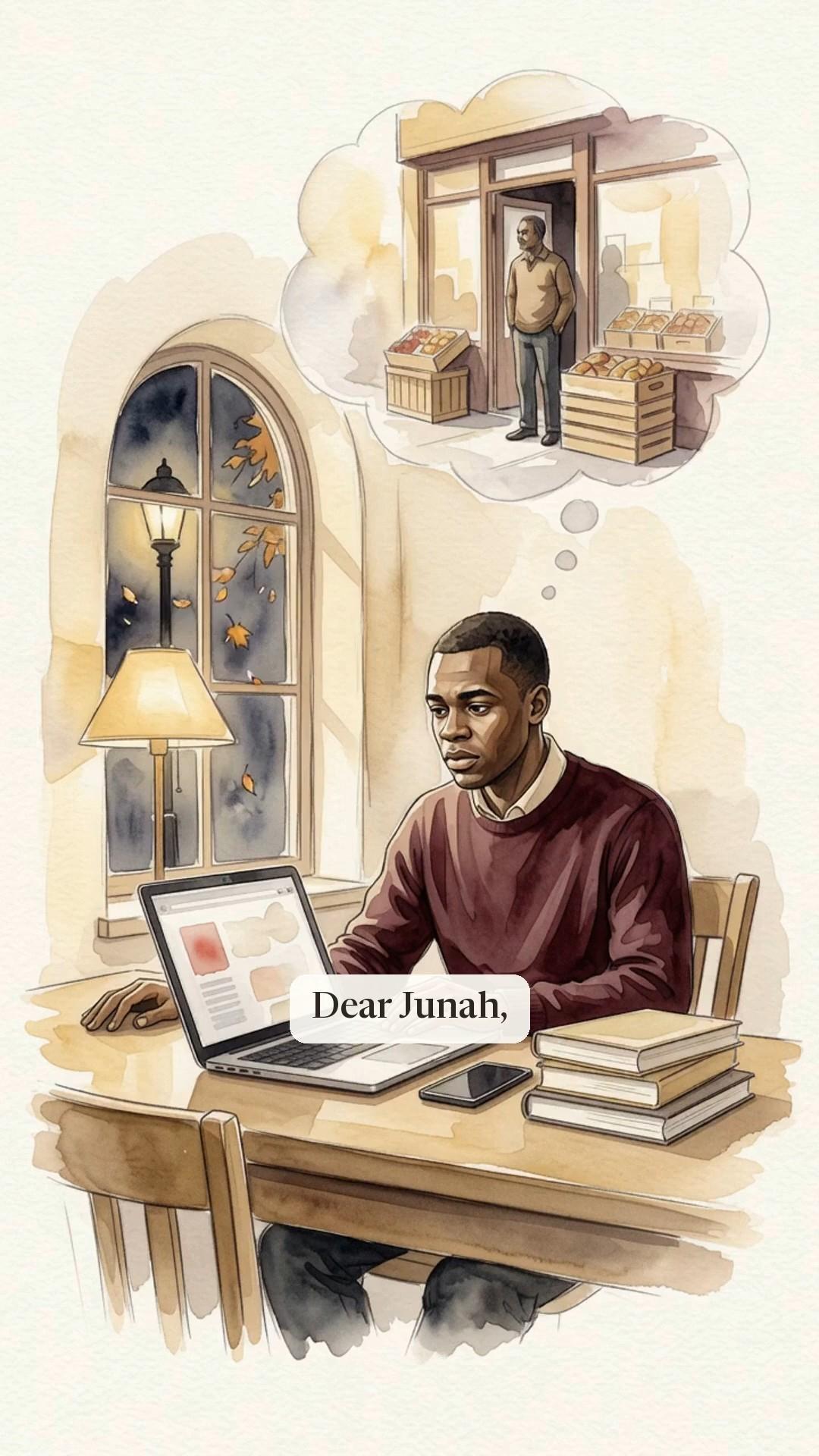
Dear Junah,
Back home in Ghana, my mother's savings company closed overnight. So I keep $8,000 in a shoebox in my closet. My coworker says that's crazy. Are American banks really safer?
Shoebox saver in Woodbridge
My dear, your caution was earned. Here, deposits in an insured bank are protected up to two hundred fifty thousand dollars. A shoebox has no protection from fire or thieves.
Warm wishes, Junah
The short answer
Yes, for money in an insured US bank. The FDIC insures deposits up to $250,000 per depositor, per bank, per ownership category, and no depositor has lost a penny of insured deposits since it was created in 1933. Cash at home has no such protection from fire, theft or loss, and it earns nothing.

By Junah Mpofu
More than 33 years in banking, including mortgage and credit lending, and a real estate portfolio of her own
Last reviewed
The question
Dear Junah,
Back home in Ghana, my mother's savings company closed overnight. So I keep $8,000 in a shoebox in my closet. My coworker says that's crazy. Are American banks really safer?
Shoebox saver in Woodbridge
An illustrative letter.
The answer
My dear, you are not crazy. You are careful, and you learned that care the hard way. In 2019, the Bank of Ghana revoked the licenses of 347 microfinance companies and 39 microcredit firms, and later that year 23 savings and loans companies and finance houses. Families watched savings they had trusted become impossible to reach. After seeing that happen to your own mother, keeping your money where you can touch it makes perfect sense. Let me explain why the system here is built differently, and then you can decide for yourself.
How is a US bank deposit protected?
The Federal Deposit Insurance Corporation, a U.S. government agency, insures deposits at member banks. Coverage is at least $250,000 per depositor, per insured bank, for each ownership category, such as single accounts and joint accounts. If an insured bank fails, the FDIC pays depositors their insured money, usually very quickly, often by the next business day. According to the FDIC, no depositor has lost a single penny of insured deposits since it was created in 1933.
Credit unions have similar protection through the National Credit Union Administration, also up to $250,000. Your $8,000 would be far inside either limit.
How do I know a bank is insured?
Look for the FDIC sign at the bank or on its website, or search the bank's name in the FDIC's BankFind tool at fdic.gov. Be careful with apps and payment services that hold money but are not banks themselves. Money held by those companies may not be insured in the same way, so it is worth reading how they hold your funds.
What are the risks of keeping cash at home?
- Fire, flood and theft. Cash that burns or is stolen is simply gone. Renters and homeowners insurance often covers little cash, if any.
- No interest. Safe, insured savings accounts were paying around 4 percent in the autumn of 2026. At that rate, $8,000 could earn about $320 a year. In a shoebox, it earns nothing, while prices slowly rise.
- No record. Cash leaves no trail, which can make it harder to prove savings when you apply for an apartment, a loan or an immigration benefit.
Am I the only one who feels this way?
Far from it. In the FDIC's 2023 national survey, 4.2 percent of U.S. households had no bank or credit union account, and "don't trust banks" was the second most common main reason they gave. Your feelings are shared by many people who have seen institutions fail. The question is whether the protections here are strong enough to earn your trust, and I believe they are.
What actually happens if a US bank fails?
Banks do sometimes fail here too, and the system is designed for it. When an insured bank closes, the FDIC usually arranges for another bank to take over its deposits, so customers simply become customers of the new bank, with their money intact. If no buyer is found, the FDIC pays depositors their insured balance directly. Either way, insured money does not vanish the way your mother's did. That is the difference between a savings company that fails and an insured bank that fails.
How could I start without feeling exposed?
You do not have to move it all at once. Many people begin by opening an account at an insured bank or credit union, depositing part of their savings, and watching it for a few months: logging in, checking statements, making a withdrawal to prove to themselves the money is there. Once you are comfortable, move more. Keeping a small amount of cash at home for emergencies, a few hundred dollars, is perfectly reasonable.
Ask about accounts with no monthly fees and no overdraft charges. Bring your identification, and ask what documents the bank needs. If you do not have a Social Security number, ask whether they accept other forms of identification, such as an ITIN.
What if I have a problem with a bank?
If a bank treats you unfairly, freezes your account without explanation or charges fees you did not agree to, you have somewhere to turn. You can complain to the bank first, and then to the Consumer Financial Protection Bureau, a federal agency that takes complaints about banks and passes them on for a response. Keeping records of every deposit and withdrawal makes any problem easier to solve.
What should I do with the money once it is in the bank?
Keep your emergency fund in an insured savings account, where it is safe and easy to reach. Our guide Why Savings Matter explains how a cushion grows. Once that cushion is in place, you can think about longer-term goals, one careful step at a time.
You honored your mother's lesson by protecting yourself, my dear. Now let her lesson grow up a little. Caution is wise, and so is a guarantee backed by the U.S. government. Open an account this month, start with part of your savings, and let trust be earned slowly.
Moving from shoebox to bank, step by step
Choose an insured bank or credit union
Check the FDIC's BankFind tool or the NCUA website.
Ask for an account with no monthly or overdraft fees
Bring identification and ask what documents they accept.
Deposit part of your savings first
Watch it for a few months before moving more.
Log in and check your statements
Make a withdrawal to prove to yourself the money is there.
Keep a small cash reserve at home
A few hundred dollars for emergencies is reasonable.
Put your emergency fund in insured savings
At about 4 percent, $8,000 could earn around $320 a year.
Questions people ask
Is my money safe in a US bank?
Money in an FDIC-insured bank is protected up to $250,000 per depositor, per insured bank, for each ownership category. If an insured bank fails, the FDIC pays insured deposits, usually quickly. According to the FDIC, no depositor has lost a penny of insured deposits since it was created in 1933. Credit unions have similar protection through the NCUA.
Is it safe to keep cash at home?
Cash at home is exposed to fire, flood, theft and loss, and insurance policies often cover little cash, if any. It also earns no interest and leaves no record of your savings. Many people keep a small amount at home for emergencies and the rest in an insured bank or credit union account.
How do I check if a bank is FDIC insured?
Look for the FDIC sign at the branch or on the bank's website, or search for the bank using the FDIC's BankFind tool at fdic.gov. Some apps and payment companies that hold money are not banks, so their funds may not be FDIC insured in the same way. It is worth reading how such services hold your money.
Why do some people not trust banks?
Many have experienced bank failures, frozen accounts or high fees, in the US or abroad. In the FDIC's 2023 survey, 4.2 percent of US households were unbanked, and not trusting banks was the second most cited main reason. Starting with a small deposit at an insured bank and checking it regularly can help build confidence.
Three things to take away
- FDIC insurance covers up to $250,000 per depositor, per bank, per category.
- Cash at home can burn, be stolen or quietly lose value, and it earns nothing.
- Start with part of your savings at an insured bank, and build trust slowly.
One thing to do this week
Check a local bank or credit union on the FDIC or NCUA website, and open an account with part of your savings.
Keep going
Why Savings Matter
Building the cushion that turns an emergency into an inconvenience instead of a crisis.
Know Your Financial Reality
Before you can improve your finances, you must first understand what is happening with your money today.

From Starting Point to Financial Direction
Understanding where you are financially is only the beginning. The next question is: where do you want to go?
The next question
An illustrative scenario for education, not personal financial, tax, legal or investment advice. Your situation will differ. About these scenarios